

After the Wellness Trends: Where Nature Therapy Is Actually Going
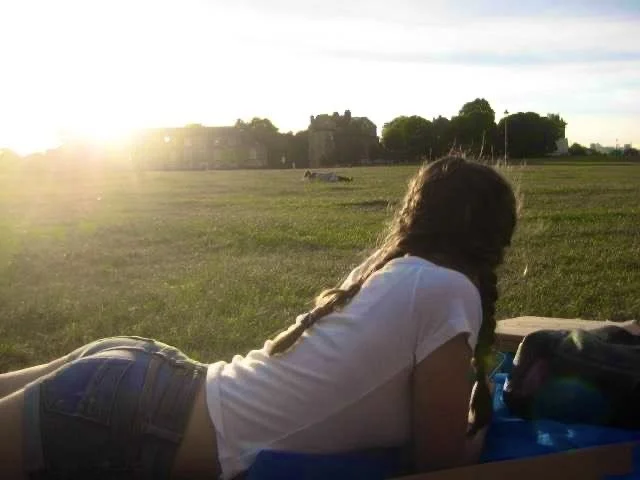
Today marks the first official day of spring in the UK — a seasonal shift we often celebrate symbolically, yet rarely consider deeply enough.
Because spring is not simply about lighter evenings or longer walks. It is about emergence, recalibration, and movement after dormancy. In ecological terms, it is a precise biological response to light, temperature, and time — a coordinated interplay between plant physiology, soil ecosystems, microbial activity and atmospheric change. And increasingly, I think it asks something equally precise of us.
Not consumption.
Not performance.
But participation.
A participation that is informed, observant, and grounded in understanding rather than assumption.
Beyond the Wellness Cycle
Over the past decade, nature-based wellbeing has steadily moved from the margins into the mainstream. Forest bathing, herbal teas, grounding, seasonal eating — what once belonged largely to traditional knowledge systems is now widely visible across wellness culture.
And yet, much of what circulates publicly still feels surface-level, diluted in translation.
Nature has become aesthetic.
Herbs have become products.
Rest has become content.
Even language has shifted — words like “natural,” “holistic,” and “healing” are used frequently, but often without context or depth. In many cases, they have been separated from the very systems that give them meaning.
What interests me now is what happens after the trend cycle.
Because trends, by nature, simplify. They package complexity into something digestible. But nature does not operate through simplification — it operates through systems, interdependence, and nuance.
The real future of nature therapy will not be driven by algorithms or aesthetics — it will be shaped by ecology, physiology, evidence, and by those willing to approach plants with seriousness rather than novelty.
The Shift Already Happening
If we look closely, a quieter shift is already underway — one that is less visible on the surface but far more significant.
Researchers are paying increasing attention to:
• the measurable neurological effects of green space exposure, including reductions in cortisol and improvements in cognitive restoration
• the immune-modulating and anti-inflammatory role of plant compounds such as polyphenols, flavonoids and terpenes
• the microbiome relationships between soil, plants and human health — sometimes referred to as the “old friends” hypothesis
• seasonal circadian alignment and its hormonal implications, particularly the role of light exposure in regulating melatonin, cortisol and reproductive hormones
These are not romantic ideas. They are biological realities supported by a growing body of interdisciplinary research.
And herbal medicine — long positioned culturally as either alternative or nostalgic — sits at the centre of this emerging conversation.
Not because it is fashionable.
But because it is pharmacologically relevant.
Modern medicine itself evolved through plant chemistry, and many current drugs remain derived from botanical compounds. What is changing now is not the existence of plant medicine, but the level of scientific attention being directed towards understanding it more precisely.
The real question is not whether herbs “work,” but how we understand their role responsibly, contextually, and intelligently in modern life.
From Consumption to Relationship
Where I believe nature therapy is heading — and where I want The Wild Remedy to stand — is somewhere more rigorous and more relational.
Less about accumulation.
Less about performative and aesthetic alignment.
Less about passive consumption of “wellness”.
And more about:
• understanding systems — ecological, biological, seasonal
• observing cycles — both in nature and within the body
• developing literacy with plants — knowing not just their names, but their actions, energetics, and appropriate use
Because without literacy, there is no real relationship — only interaction at surface level.
This shift also asks something of us culturally. It requires a move away from convenience as the primary value, and towards attentiveness. It asks us to become participants rather than observers.
There is also a growing conversation around “offline” connection — a move away from constant digital engagement and back towards in-person interaction. On the surface, this appears aligned with a more grounded way of living. But when something becomes labelled as a trend, it can quickly take on the same qualities it is trying to move away from — structured, performative, even slightly forced.
Real connection, like nature itself, is not something we schedule into relevance or aestheticise into meaning. It happens through shared experience, time, and presence — often quietly, without announcement. And perhaps this is where the deeper work lies: not in reacting to one extreme with another, but in allowing more natural rhythms of connection to re-emerge without needing to define or display them. There is also emerging research within neuroscience and psychology that begins to support this tension more clearly. Recent discussions highlighted by cognitive neuroscientist Dr Caroline Leaf point to a distinction between genuine, embodied connection and what is often pursued as “connection” through constant digital engagement. What is particularly interesting is not simply the presence of technology, but the type of engagement — with studies suggesting that when connection becomes something we seek primarily through external validation or continuous interaction, it can lead to increased cognitive load, emotional fatigue, and a reduced sense of meaningful connection over time.
This is echoed more broadly in research exploring social media use and mental wellbeing, where a distinction is often made between passive or emotionally dependent engagement and more neutral, functional use. The former has been linked to lower levels of positive mental health, particularly when it replaces or distorts real-world interaction.
Which perhaps explains why the current shift towards “offline” spaces, while understandable, can sometimes feel incomplete. If the underlying patterns of disconnection remain unchanged, simply moving offline does not necessarily restore what has been lost.
Real connection — like nature itself — is not something that can be engineered through reaction. It emerges through presence, shared experience, and time, without needing to be labelled as a movement or defined as a trend.
And that is a very different kind of wellbeing.
Spring as Instruction
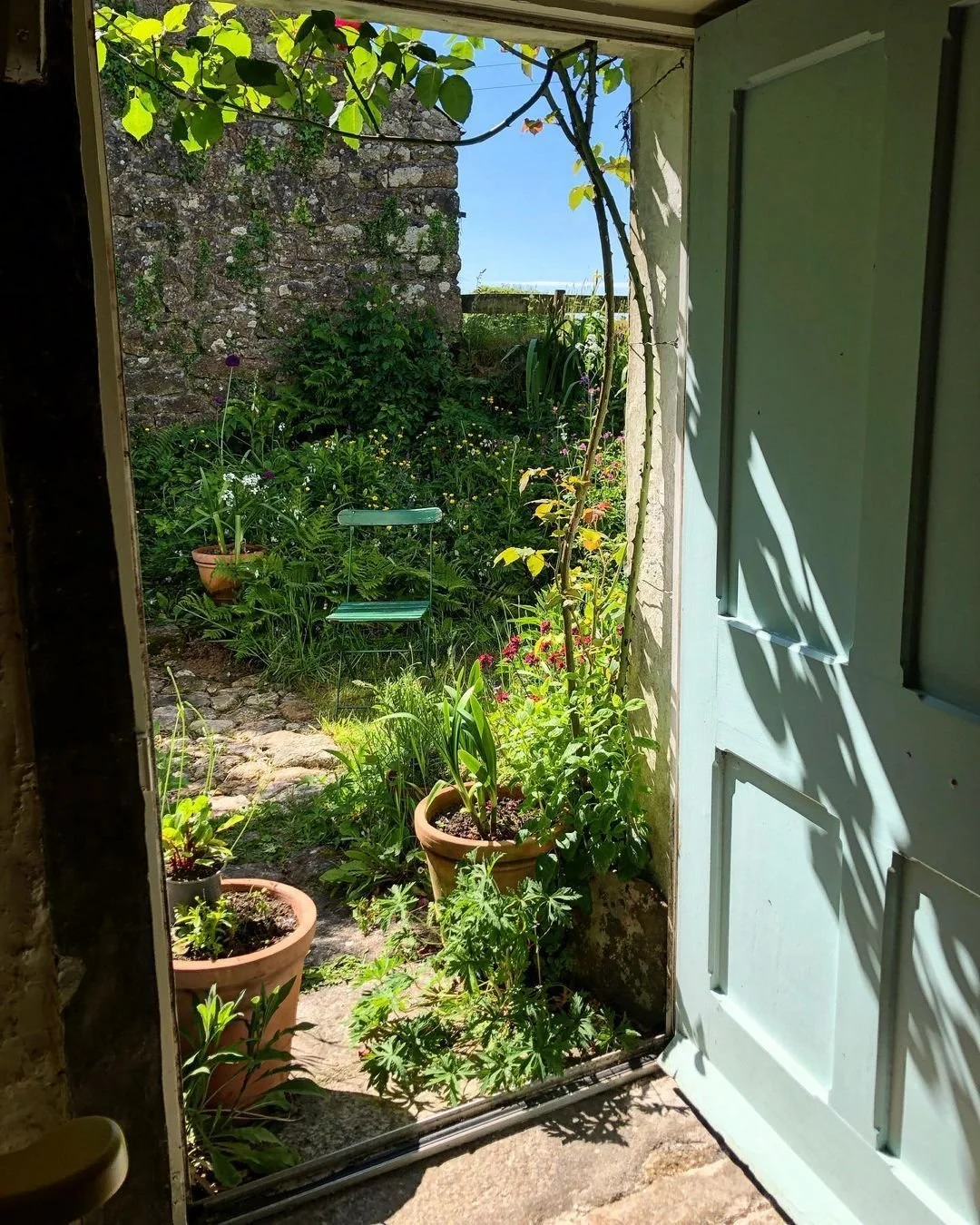
Spring offers a useful model for this shift, if we are willing to look beyond its symbolism.
Plants do not emerge because of motivation.
They respond to conditions.
Lengthening daylight alters phytochrome activity within plants, signalling growth cycles. Soil temperature activates microbial life, which in turn supports nutrient availability. Sap rises not randomly, but in response to pressure gradients and environmental cues.
Everything is timed.
When we look at spring biologically rather than sentimentally, it becomes something far more interesting: a lesson in precision.
And increasingly, I think our future relationship with health will depend on learning timing again — understanding when to nourish, when to rest, when to support the immune system, when to focus on restoration.
This includes:
• eating in alignment with seasonal availability
• adjusting lifestyle patterns to light exposure
• recognising cyclical patterns within the body
• using herbal support rhythmically rather than reactively
Nature does not rush, but it is never passive.
Herbal Medicine, Reconsidered
Herbal medicine is often misunderstood as either slow or simplistic. In reality, its strength lies in complexity.
Plants contain diverse active compounds working synergistically — often producing effects that are regulatory rather than suppressive or forceful. This is particularly relevant in areas such as inflammation, stress response, and hormonal balance, where modulation rather than intervention is often more sustainable.
But this complexity also requires responsibility.
At the same time, it’s important to recognise that working with plants does not always need to sit within a formal or clinical framework. Long before structured systems existed, herbs were part of everyday life — used in kitchens, gardens, and daily rituals as a way of maintaining balance rather than correcting imbalance.
And perhaps this is something we are beginning to return to.
Not everything needs to be labelled, measured, or medicalised to have value. There is space for a quieter, more accessible relationship with plants — through simple infusions, seasonal use, observation, and familiarity. The kind of relationship where herbs are not something we reach for only when something is wrong, but something that supports us in staying well.
In that sense, they are not separate from life — they are part of what sustains it.
Herbal practice is not simply about selecting a plant based on a trend or a single property. It involves understanding dosage, preparation methods, contraindications, interactions, and individual constitution.
As I continue my own studies in herbal medicine, I find myself less interested in what is popular and more interested in what is precise.
Phytochemistry.
Clinical evidence.
Traditional use.
Energetics.
All of these inform practice.
Because the real future of herbal medicine and the use of herbs will not be driven by marketing — it will be shaped by practitioners and communities willing to treat plants seriously, with both respect and discernment.
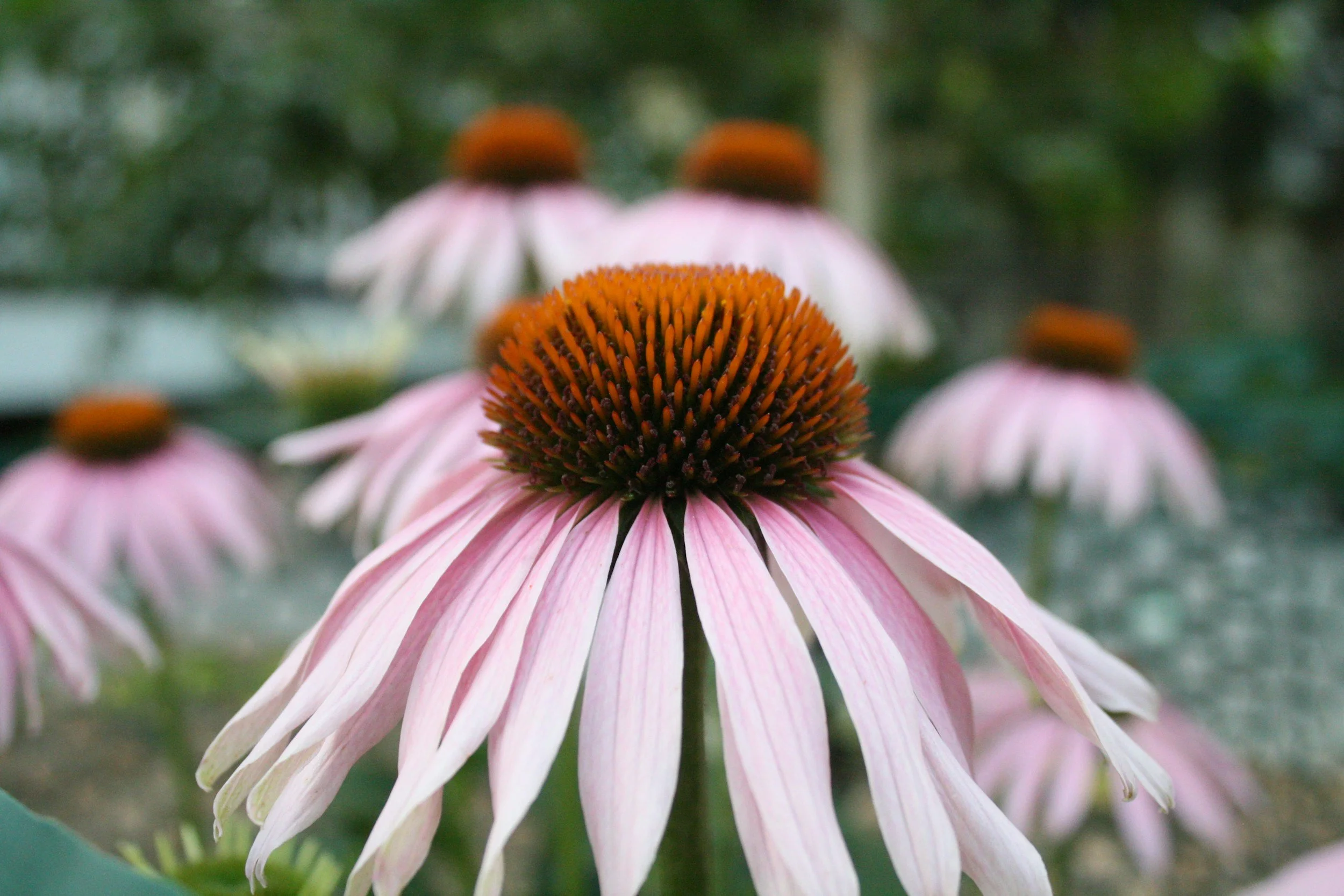
Echinacea purpurea
Where We Go From Here
For me, the question is no longer whether nature therapy belongs in modern life. That feels settled.
The more interesting question is how we move forward intelligently — without reducing it, diluting it, or turning it into something performative.
How we create spaces where:
• scientific evidence and traditional knowledge meet without defensiveness
• individuals become active participants in their own care, not passive recipients
• nature is engaged with thoughtfully rather than consumed quickly
• education replaces assumption
• and curiosity replaces certainty
This is where the next phase begins.
Not louder.
But deeper.
The Work We’re Doing
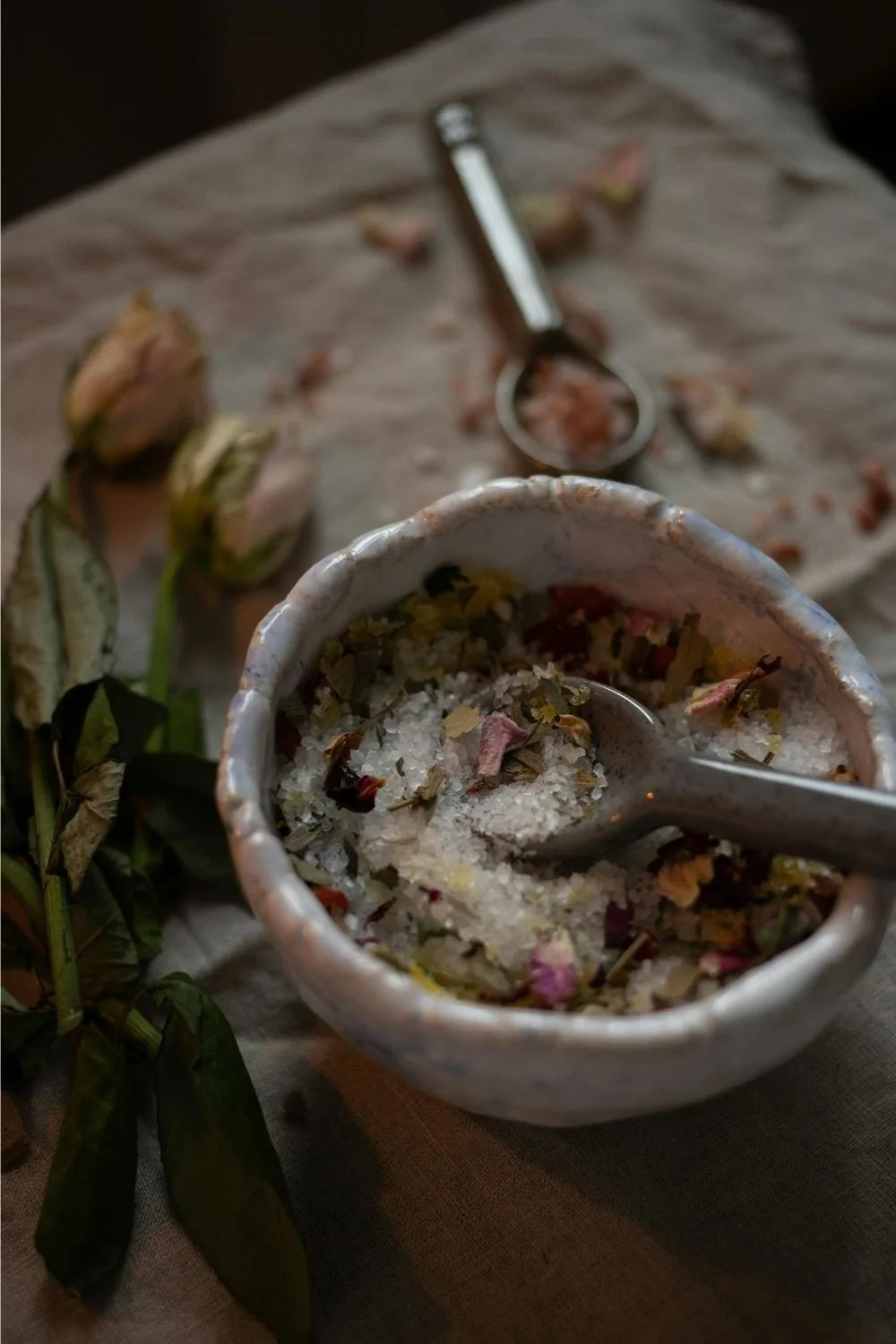
At The Wild Remedy, everything we create grows from this perspective.
Our workshops are designed not simply as experiences, but as spaces for learning — where people can creatively engage directly with plants, materials and seasonal practices in a way that builds confidence and understanding over time. They are an invitation to move beyond observation into participation — to begin working with nature rather than simply admiring it.
The Wild Circle continues to evolve as a quieter, more intentional space — one that prioritises conversation, reflection, and shared learning rather than noise. It is where this deeper layer of understanding can unfold collectively, away from the pace and pressure of wider wellness culture.
Projects like Girls in the Garden extend this work further into community, creating opportunities for connection, creativity, and education rooted in nature.
And our formulations remain grounded in the same philosophy: thoughtful, functional, plant-led products designed to support everyday rhythms — not override them. They are not created to follow trends, but to sit within real life — to be used, understood, and returned to consistently. In a space where “natural products” are often marketed for effect, our intention is different: to offer something that aligns with the body’s pace rather than disrupts it.
Alongside this, we are moving closer to something we have been working towards for some time — a more permanent home for The Wild Remedy. A space that allows this work to deepen physically as well as conceptually. It has been a gradual process, shaped by patience, trust, and the right alignment rather than urgency.
We are incredibly grateful to those who have followed, supported, attended, and connected with us along the way. This next step is not separate from you — it is being built with that community in mind.
Nothing is rushed.
Nothing is exaggerated.
Everything is considered.
A Different Kind of Spring
As spring begins today, I find myself less interested in symbolic “fresh starts” and more interested in something steadier.
Attention.
Timing.
Understanding.
Because nature has never needed us to follow it.
Only to notice.
And perhaps, now more than ever, that is where the real work begins.
Bee 🐝
🌿 You can explore upcoming workshops, join The Wild Circle, take part in or commission our community projects, or discover our seasonal formulations through The Wild Remedy.
Wherever you are in your own relationship with nature — whether just beginning or returning with deeper intention — you are welcome here.
And as this next season unfolds, so too does the next chapter of The Wild Remedy — one that we are excited to continue building, slowly and thoughtfully, together. 🌿