The Body is Not a Trend

Fascia, movement, plants, and unlearning what we thought wellness was
There comes a point in many people’s wellbeing journey where things begin to feel… noisy.
Conflicting advice.
Endless products.
New routines promising transformation.
Another supplement.
Another programme.
Another “must do”.
Wellness, strangely, can start to feel stressful.
Somewhere along the way, the body became something to manage, optimise, and display.
We are told to optimise everything — sleep, nutrition, fitness, mindset — yet often left without a clear understanding of how the body actually works as a whole.
We are encouraged to push harder, stretch further, perform better.
But rarely are we invited to understand the deeper structures quietly supporting every movement we make.
One of those structures is fascia.
And most people only hear about it when something hurts.
Rarely when everything is working beautifully.
Yet this is not a new topic for us.
We briefly explored fascia in an earlier journal when reflecting on how the body holds experience, and why supportive hands-on therapies can sometimes help restore ease where tension has quietly accumulated over time.
At the time, fascia felt like a doorway into something bigger — a reminder that the body does not operate in isolated parts, but in relationship.
Over time, these journals have explored the body not as separate concerns, but as a living system shaped by environment, rhythm and relationship.
We have explored skin as a boundary and communication point with the outside world.
The nervous system as a bridge between experience and physiology.
Rest as an active biological process rather than simply the absence of activity.
Nature not as decoration, but as a regulating influence.
Fascia sits quietly within all of these conversations.
It is not a trend topic.
It is part of the same ongoing inquiry into how the body maintains balance in a world that often pulls us away from it.
Herbal medicine has always been rooted in this wider perspective.
Herbal medicine has become an increasingly meaningful part of this journey through both formal study and personal experience, offering another lens through which to understand how the body supports and restores itself.
Plants were traditionally used not only to address symptoms, but to support terrain — the internal environment in which the body carries out its own processes of repair, adaptation and renewal.
Understanding fascia adds another layer to this picture.
It reminds us that structure, chemistry, emotion and environment are not separate influences.
They are continuous conversations.
Recently, fascia returned to the conversation again.
A client shared that despite living a generally healthy lifestyle, they still often felt a sense of underlying tightness — not necessarily pain, but not quite ease either.
Later that same week, a conversation with someone deeply experienced in working with the body moved into how modern pain science is increasingly recognising that persistent discomfort is not always simply about structural damage, but about how the nervous system interprets signals and learns patterns.
How the body sometimes continues protecting long after the original cause of strain has resolved.
It naturally led to curiosity about how we support the body not only structurally, but systemically.
Not through one discipline alone, but through understanding how movement, nervous system regulation, nutrition, environment and herbal medicine may complement one another.
And as April arrives — a month traditionally associated with renewal, emergence and gentle forward movement — it feels like the right moment to explore fascia more deeply as part of this continuing journey of understanding how everything in the body connects.
Not as a passing topic.
But as another thread in the wider story of how we live within ourselves, and our relationship with the natural world.
This edition is a slightly longer read than usual, as we begin to explore fascia more deeply and thoughtfully. Some topics benefit from a little more space — particularly those that help us understand how different parts of the body communicate with one another. As with all of our journals, this is not intended to overwhelm, but to gently build understanding over time, offering small insights that can be returned to when helpful.
The hidden fabric we live inside
A helpful way to imagine fascia is to think of the body not as separate muscles, but as one continuous intelligent fabric.
A web-like connective tissue that wraps around muscles, weaves through organs, supports joints, surrounds nerves and communicates constantly with the brain.

Fascia gives the body both structure and adaptability.
It helps transmit force when we move.
It allows muscles to glide.
It supports posture.
It cushions and protects.
It communicates with the nervous system through sensory receptors that detect pressure, stretch and movement.
In simple terms:
fascia helps the body understand itself.
Yet most of us grow up never learning about it.
We learn about muscles in school.
We hear about bones when we break something.
We are told to strengthen, stretch, hydrate.
But rarely are we told that the body is not a collection of separate parts — it is a continuous responsive network.
When one area is overloaded, another area often compensates.
When one area feels safe, another often softens.
Understanding fascia helps explain why tension does not always stay where it begins.
Why a jaw can influence the neck.
Why the hips may influence the lower back.
Why the feet influence posture.
Why emotional stress often shows up physically.
The body is always adapting to how we live.
Much of modern life asks the body to function in ways that differ significantly from the conditions it appears naturally designed to thrive within.
Extended sitting.
Artificial light late into the evening.
Reduced sensory contact with natural environments.
Clothing and materials that limit breathability of the skin.
Information that keeps the nervous system in a subtle but continuous state of alertness.
The body adapts remarkably well.
But adaptation does not always mean optimal.
Fascia responds to repeated signals.
So do hormones.
So does the immune system.
So does the nervous system.
When we begin to understand this, wellbeing becomes less about chasing trends and more about returning to supportive fundamentals.
Movement is not punishment. It is communication.
Many modern exercise trends emphasise intensity, discipline, visible results.
But movement is not simply about burning calories or sculpting shape.
Movement is information for fascia.
Each time we walk, reach, rotate, bend or breathe deeply, we provide mechanical input to connective tissue.
Cells within fascia — fibroblasts — respond to load by remodelling collagen fibres.
Collagen is the structural protein forming much of fascia’s strength and elasticity.
This means the body literally reorganises itself based on how we move regularly.
Gentle varied movement supports adaptable tissue.
Repetitive strain or long periods of stillness may lead to tissue becoming less responsive.
The body is always adapting.
Not only to exercise sessions, but to daily habits.
How long we sit.
How often we change direction.
Whether we reach overhead.
Whether we walk on varied ground.
Whether breath moves freely through the rib cage.
Movement is not medicine because it is intense.
Movement is medicine because it reminds the body how to adapt.

Breath is movement too
One of the most overlooked forms of movement is breathing.
Each breath creates subtle expansion and recoil through the rib cage and diaphragm — both deeply connected to fascial networks influencing posture and spinal support.
When breathing becomes shallow — often during periods of stress or concentration — movement in this area reduces.
Over time, this may contribute to feelings of tightness through the chest, shoulders or upper back.
Slower, fuller breathing patterns stimulate the vagus nerve, supporting the parasympathetic nervous system — the state in which the body is more able to repair, regulate inflammation and restore balance.
From an exercise science perspective, breath influences core stability, rib cage mobility and tissue oxygenation.
From lived experience, it often simply feels like space returning.
Breath is one of the few physiological processes that is both automatic and consciously adjustable.
A bridge between systems.
Because fascia is richly connected with the nervous system, it also responds to changes in stress levels, breathing patterns and overall sensory environment. While it is sometimes suggested that fascia “stores emotion”, current research more accurately describes an ongoing conversation between brain, body and environment. Fields such as psychoneuroimmunology explore how psychological experience can influence nervous system signalling and inflammatory processes, while mechanotransduction describes how cells respond to mechanical forces such as movement, pressure and stretch.
Concepts such as biotensegrity propose that the body distributes force across a continuous network rather than isolated structures, and interoception examines how the brain perceives internal bodily signals such as tension, breath and physical state. Together, these perspectives help explain why experiences that influence the nervous system — including prolonged stress, perceived safety, or relaxation — may contribute to patterns of muscular tension or release over time.
This may also help explain why some individuals notice a sense of emotional shift during movement practices, breathwork or manual therapies. Rather than fascia holding memories directly, it may be more accurate to understand the body as reflecting lived experience through adaptable neurological, biochemical and structural responses that are continually changing.
Interest in fascia has grown across multiple disciplines including manual therapy, movement science and integrative health, reflecting an increasing recognition that the body responds to a wide range of physical and environmental inputs.
Gentle breath awareness can subtly influence how fascia moves, particularly through the thoracic spine, diaphragm and abdominal region.
Small movements repeated many times each day.
Quiet but meaningful.
Nature is not a luxury. It is regulation.
Many people notice their body feels different after time outdoors.
Shoulders soften.
Breathing changes.
Thoughts slow.
Movement becomes less forced.
Research increasingly explores how natural environments influence nervous system regulation, inflammation and stress hormone patterns.
Fascia responds to nervous system signalling.
When the body perceives less threat, protective tension may gradually reduce.
Natural light supports circadian rhythm.
Fresh air supports oxygenation.
Varied terrain encourages varied movement.
Natural sensory input can reduce cognitive overload.
Nature does not demand performance.
It allows recalibration.
Within herbal medicine traditions, nature has never been seen as separate from the body.
Human physiology developed in relationship with plant chemistry over thousands of years.
Polyphenols, flavonoids, bitter compounds and aromatic molecules influence biological pathways involved in inflammation regulation, circulation and cellular communication.
Plants do not work through force.
They interact through signalling.
Supporting the same adaptive intelligence already present within the body.
This is one reason herbal medicine often works gradually rather than dramatically.
It respects complexity.
Where herbal medicine fits into the conversation

Herbal medicine does not replace movement or manual therapy.
It supports the internal environment in which connective tissue adapts.
Fascia is largely composed of collagen fibres arranged within a fluid-rich extracellular matrix.
Fibroblast cells continually produce and reorganise collagen in response to mechanical load, inflammatory signalling, hormonal influence and nutrient availability.
Plants contain compounds that may influence these processes.
Tremella mushroom has been studied for polysaccharides with high water-binding capacity, relevant to hydration of connective tissues and skin matrix.
Gotu kola has been researched for influence on fibroblast activity and collagen synthesis.
Nettle provides minerals including silica relevant to connective tissue integrity.
Calendula has traditionally been used to support tissue repair processes.
Turmeric and ginger influence inflammatory pathways involved in recovery.
Rather than providing collagen directly, these plants may help support the body’s own production processes.
From a herbal perspective, supporting connective tissue is rarely about targeting one isolated structure.
It is about supporting circulation that delivers nutrients to fibroblast cells, nervous system balance that influences muscle tone, digestive function that supports absorption of micronutrients, and healthy inflammatory responses that allow repair processes to occur.
When viewed this way, fascia is not an isolated tissue requiring a single intervention.
It is part of a living network influenced by many small daily inputs.
This perspective often feels more sustainable.
Less urgent.
More collaborative.
Why collagen supplements are not the whole story
Collagen consumed orally is broken down into amino acids during digestion.
The body then decides where those amino acids are required.
Connective tissue health depends not only on availability of building blocks, but on signalling processes that regulate collagen synthesis.
Movement stimulates fibroblasts.
Vitamin C supports collagen formation.
Balanced inflammatory responses support tissue repair.
Hormonal environment influences tissue elasticity.
The body thrives when systems are supported collectively.
Hormones, stress and connective tissue
Hormonal shifts influence connective tissue behaviour.
Oestrogen influences collagen metabolism and tissue hydration.
Cortisol, the body’s primary stress hormone, influences inflammatory signalling when chronically elevated.
The nervous system influences hormone patterns.
Hormones influence connective tissue.
Connective tissue influences movement comfort.
Everything communicates.
This is why stress can feel physical.
Why emotional load can influence posture.
Why prolonged pressure can influence muscle tone.
The body responds to lived experience.
Not only exercise routines.
The wellness industry does not always support wellbeing
We are often sold the idea that wellbeing is found in products.
Yet many activewear garments marketed as supporting performance and health are made from synthetic fibres that shed microplastics.
These materials sit directly against the skin — the body’s largest organ.
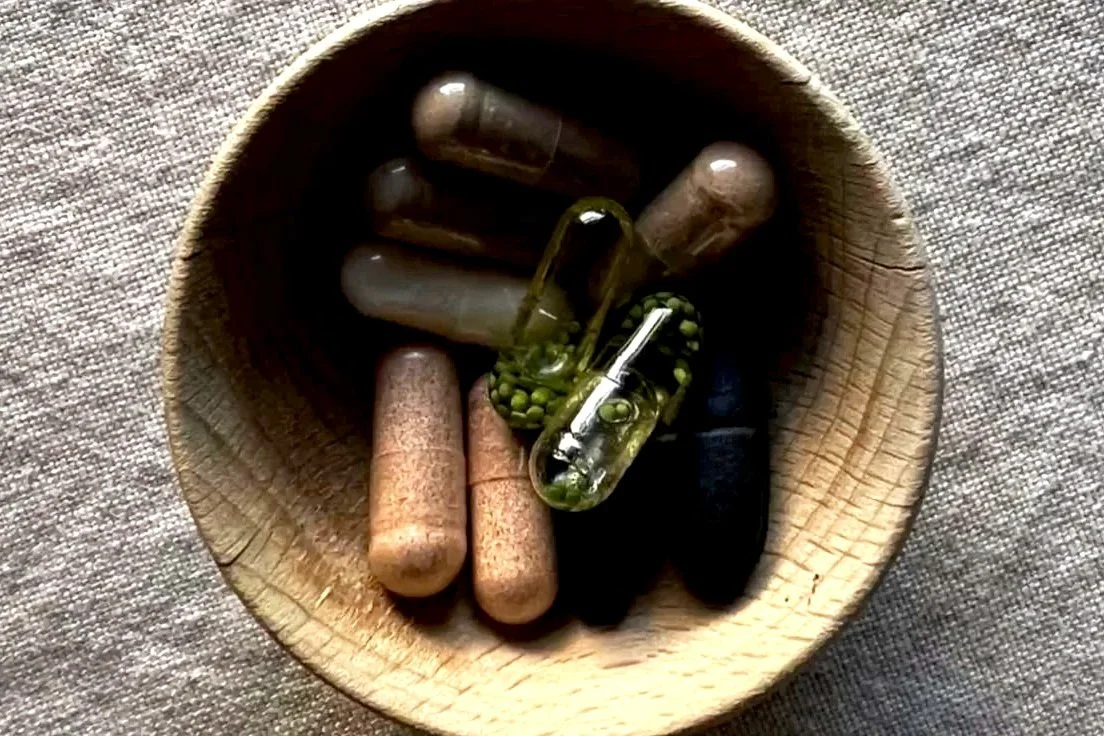
Many supplements promise quick transformation yet overlook the complexity of physiology.
Wellbeing is not created through contradiction.
We cannot expect to feel deeply well while constantly surrounding ourselves with synthetic inputs disconnected from natural processes.
Many people arrive at herbal medicine after feeling overwhelmed by conflicting information.
Or after realising that many products marketed as supporting health are disconnected from ecological and physiological reality.
Wellbeing becomes something we purchase rather than something we cultivate.
The Wild Remedy has always been rooted in the belief that wellbeing is not created through excess.
It is often rediscovered through simplification.
Through reconnection with what the body already understands.
Through curiosity rather than pressure.
Through recognising that the body is not something to control, but something to collaborate with.
Unlearning can feel uncomfortable.
But often it creates space for more sustainable choices.
Natural fibres.
Whole foods.
Supportive movement.
Plants used with respect.
Less urgency.
More understanding.
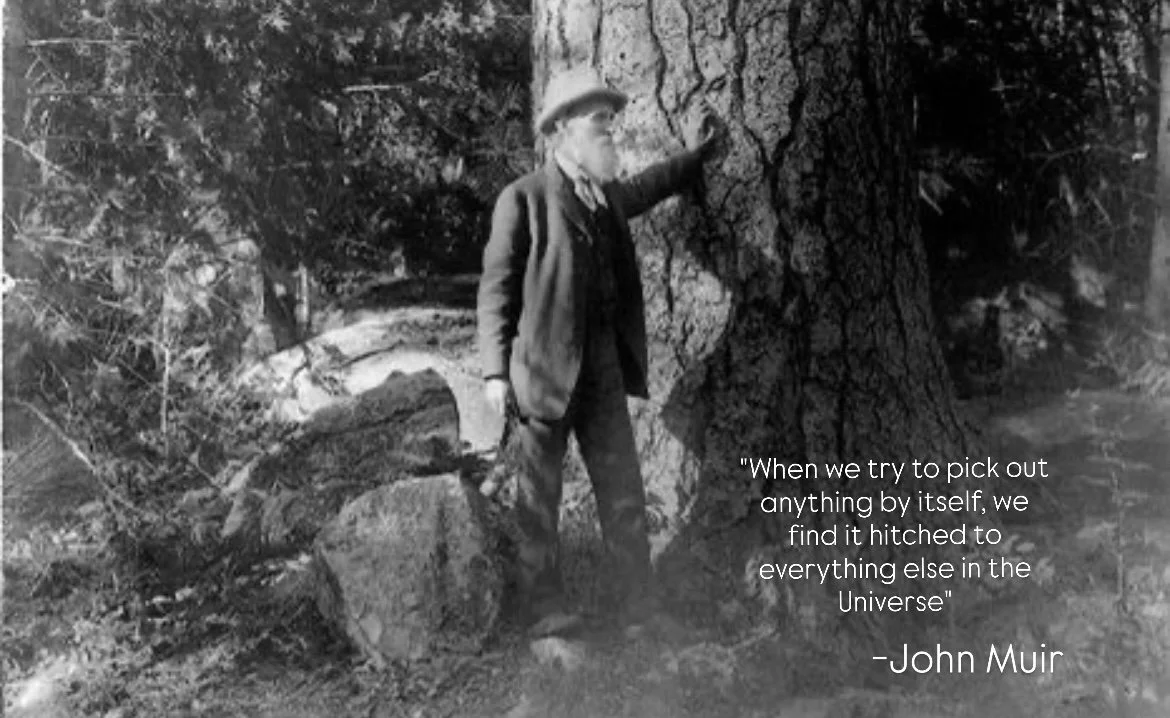
There is a well-known observation often attributed to naturalist John Muir:
"When we try to pick out anything by itself, we find it hitched to everything else in the Universe."
The body reflects this same principle.
Fascia itself demonstrates that nothing within us functions entirely in isolation — connective tissue links muscles to bones, organs to structure, nervous system signalling to movement, breath to posture, emotion to physical tension.
In clinical settings, modern healthcare quite understandably divides the body into specialisms in order to study it in detail — cardiology, neurology, dermatology, gastroenterology — each offering important expertise. Yet lived experience can sometimes feel fragmented when symptoms appear across multiple systems that do not exist separately in everyday life.
Many people recognise the experience of being passed between specialists, each examining one part, while sensing intuitively that something more integrated may be influencing the overall picture.
Herbal medicine has traditionally approached health through the concept of terrain — recognising that digestion influences inflammation, that nervous system patterns influence muscular tension, that circulation influences tissue repair, that emotional stress can influence hormonal signalling.
Fascia reflects this same interconnected principle physically.
It does not sit in one location.
It forms a continuous network through which forces, signals and adaptations are distributed throughout the body.
We cannot meaningfully speak about fascia without also acknowledging movement, hydration, nervous system regulation, hormonal balance and environmental influence.
The body communicates across systems constantly.
Understanding this does not replace specialised knowledge.
It enriches how we interpret it.
And often helps explain why supportive approaches that consider the whole person — movement, manual therapy, nutrition, plant medicine, environment and rest — can work together more effectively than any one element in isolation.
Connection is not only a philosophical idea.
It is observable physiology.
The body often reflects lived experience not as fixed memory stored in tissue, but as patterns that remain adaptable when supportive conditions are introduced.
At times, when we begin to appreciate the intricacy of how the body communicates within itself — and how closely this mirrors patterns seen throughout the natural world — it can feel difficult to view such coherence as purely incidental, but rather as something profoundly intentional in its design.
Understanding fascia invites a quieter perspective
Fascia reminds us the body is not fragile.
It is adaptable.
Continuously remodelling itself in response to lived experience.
Movement is medicine.
Nature is medicine.
Rest is medicine.
Understanding is medicine.
Herbal medicine simply becomes part of this wider conversation.
Supporting terrain.
Supporting resilience.
Supporting adaptability.
This is why sharing topics such as fascia feels important within this journal space.
Because understanding the body changes how we care for it.
It changes how we move.
How we rest.
How we choose products.
How we relate to stress.
Knowledge can be regulating.
When we understand why something works, we are less likely to feel pulled towards extremes.
We begin to trust gradual change again.
April reminds us the body is always beginning again

April often brings a quiet shift.
Light changes.
The air softens.
Windows open again.
We naturally move a little more.
Seasonal transition is rarely dramatic — it happens gradually, often almost unnoticed.
Spring has traditionally been seen as a time to gently support the body's natural processes after winter’s relative stillness.
Encouraging circulation.
Encouraging movement.
Encouraging lightness.
Fascia responds well to this same principle.
Not force.
Not urgency.
Simply consistent, varied input that allows the body to adapt.
April reminds us that change does not need to feel extreme to be effective.
Often the most sustainable shifts are subtle ones.
A little more walking.
A little more daylight.
A little more breath.
A little more time outside.
Small signals repeated consistently allow the body to respond.
A gentle April infusion
Spring herbs often reflect the season itself — fresh, mineral-rich and supportive without being overwhelming.
A simple infusion for this time of year:
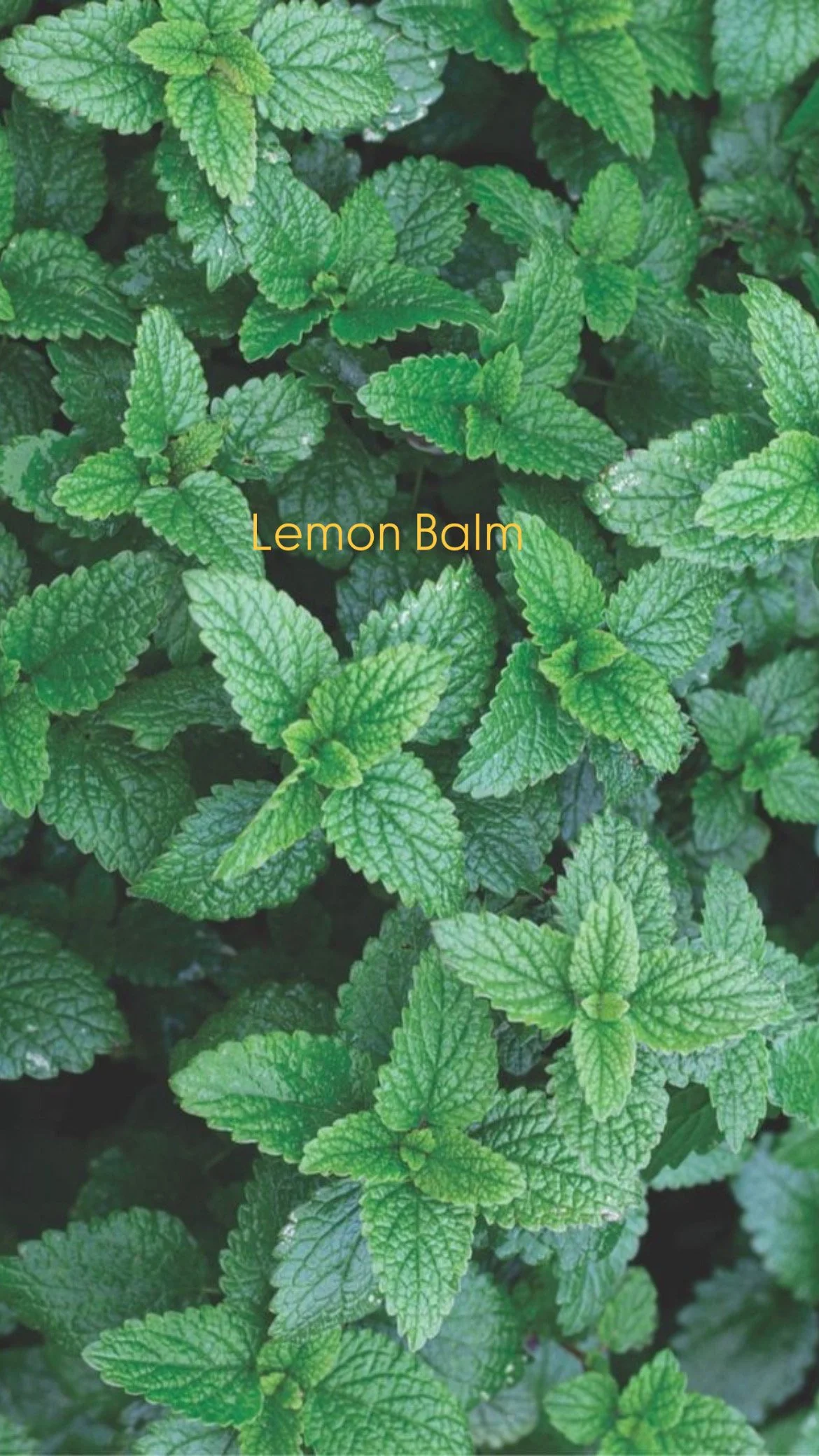
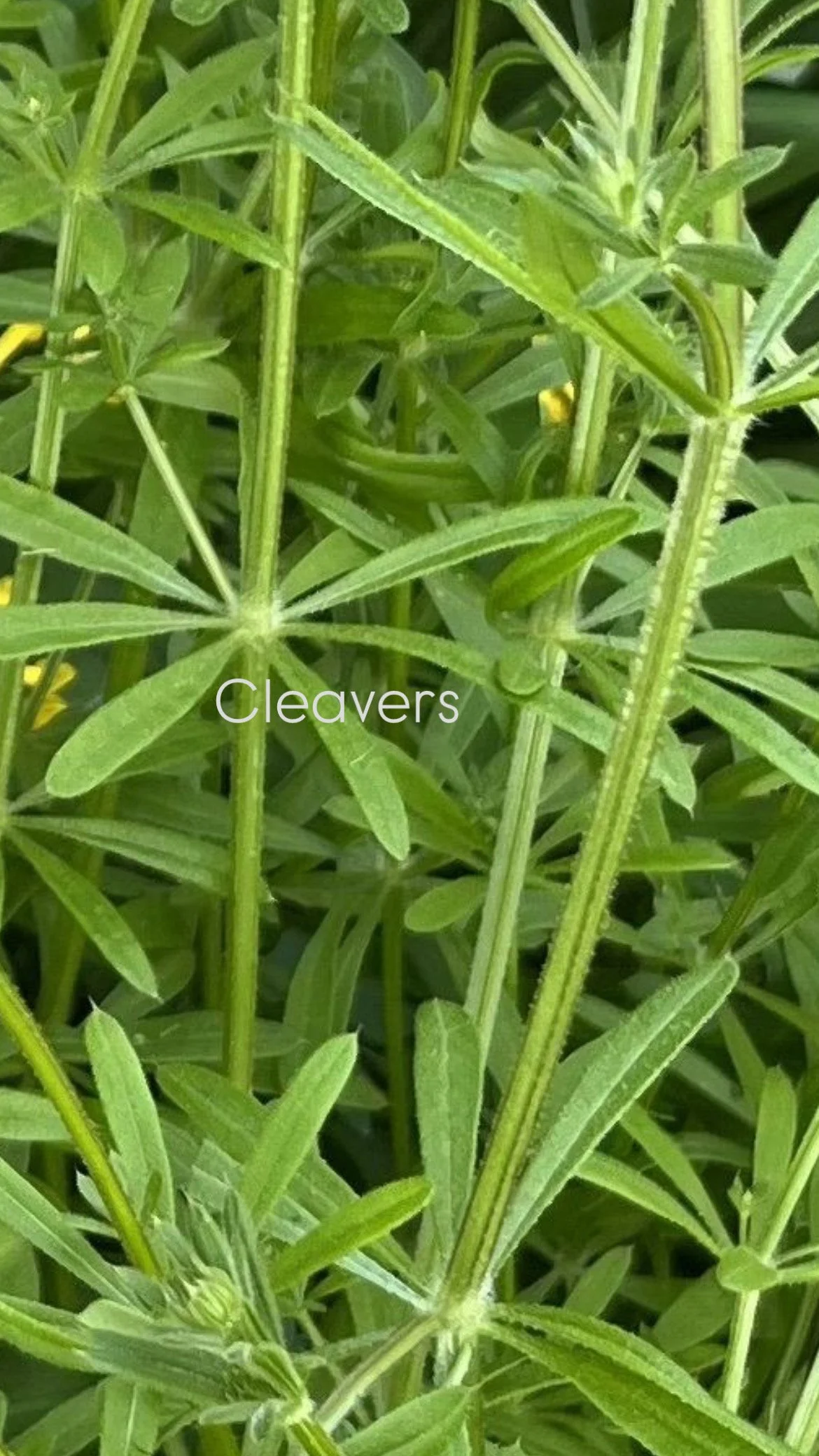
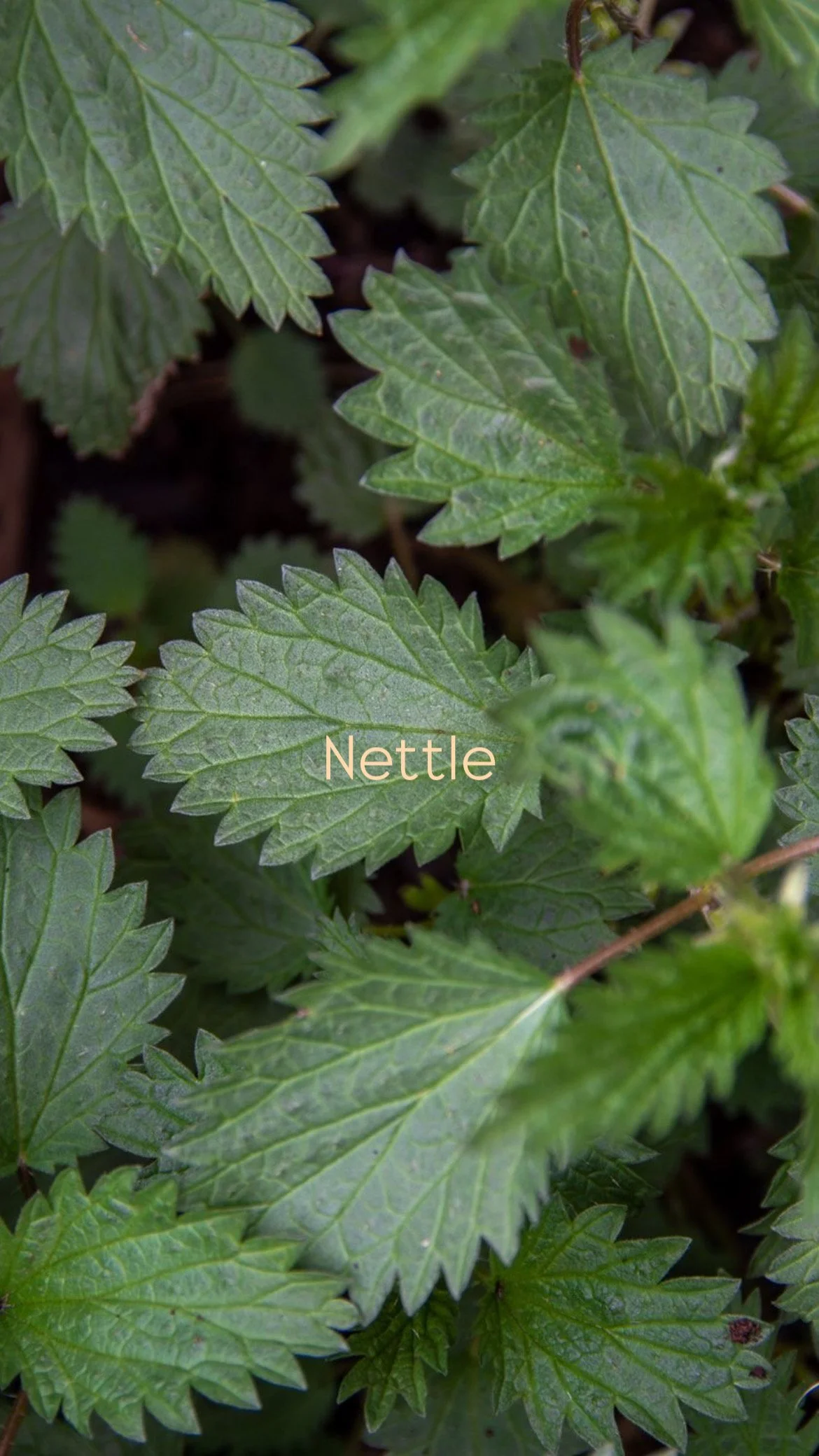
nettle, cleavers and lemon balm
Nettle provides minerals traditionally valued in supporting connective tissue nourishment.
Cleavers, often appearing abundantly in spring hedgerows, has long been associated with supporting fluid movement within the body.
Lemon balm offers gentle support to the nervous system, particularly when the mind has been carrying more than usual.
Together they create an infusion that feels quietly supportive during seasonal transition.
1 tsp dried nettle
1 tsp dried cleavers
½ tsp lemon balm
Infuse in hot water for 10–15 minutes.
Drink slowly.
As always, herbal preparations should be used with informed awareness. Those pregnant, taking medication or managing health conditions should consult a qualified practitioner before introducing new herbs.
Herbal medicine works most effectively when it supports the body alongside rest, movement and nourishment.
An April note from the garden
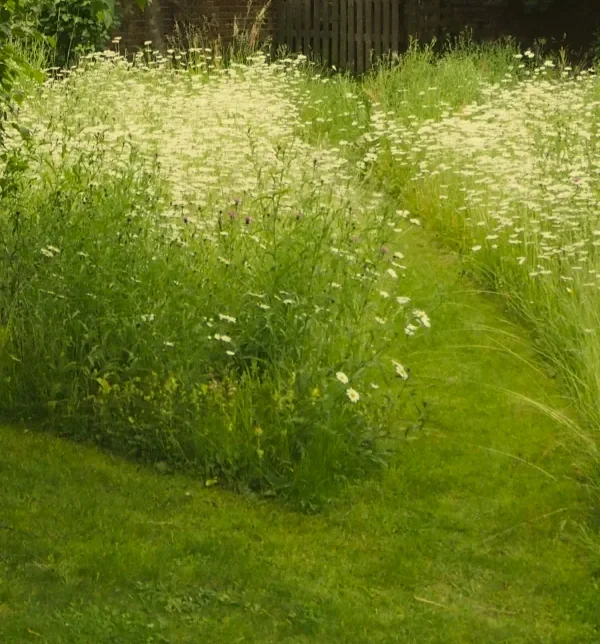
April is a lovely time to begin preparing a small wildflower or pollinator-friendly space, whether in a garden bed, container, balcony pot or small patch of lawn.
Wildflowers support biodiversity, soil health and pollinating insects — quietly supporting the wider ecosystems we are part of.
Even a small area can contribute.
A simple approach suitable for the UK climate:
choose a sunny patch
lightly loosen the soil surface
remove dominant grasses if needed
scatter a native wildflower seed mix
gently water
allow nature to do the rest
Wildflowers such as cornflower, poppy, oxeye daisy and yarrow are often included in UK seed mixes and support bees and pollinators as the season progresses.
Preparing an area in April makes it easier to participate in No Mow May, allowing natural growth to support insect populations at a crucial time in the seasonal cycle.
Gardening itself also encourages the kind of varied natural movement fascia responds well to:
reaching
turning
squatting
lifting
walking
not forced exercise — simply movement as part of living.
When approached gently, creating even a small pollinator-friendly space can become less of a task and more of a restorative rhythm — something that supports both biodiversity and personal wellbeing.
Therapeutic gardens do not need to be large or complex. A few thoughtfully chosen plants, a small wild patch, or a simple container arrangement can provide sensory calm, seasonal connection and meaningful support for local wildlife.
If you feel drawn to creating a space that supports both ecological balance and personal restoration, The Wild Remedy offers guidance in designing nature-led environments that feel manageable, grounding and genuinely supportive to daily life.
Spaces that feel lived in, rather than laboured over.
Where tending becomes part of wellbeing, not another item on a list.
Nature rarely rushes its own renewal.
The body rarely benefits from being rushed either.
Relationship with movement.
With nature.
With knowledge.
With rhythm.
With self.
This understanding is echoed in both ecological thinking and modern systems biology — that living systems rarely function through isolated parts, but through relationships that influence one another continuously, much like fascia itself forming a responsive web throughout the body.
This is where herbal medicine continues to offer something both ancient and quietly relevant.
Not as an alternative to modern knowledge.
But as a companion to it.
Collagen sits within this story too — often spoken about only in relation to skin, yet fundamental to fascia, joints, recovery and the body’s ability to remain both strong and adaptable over time. In the next journal, we will explore collagen more deeply as another thread in this interconnected system, moving beyond surface-level conversations and into the biology of how the body maintains structure, resilience and repair throughout life.
Understanding fascia does not require dramatic change.
It invites curiosity.
It reminds us that everything in the body connects.
And perhaps more importantly:
that wellbeing is rarely found in extremes.
It is often found in returning to what the body has always recognised.
Movement.
Nature.
Plants.
Rest.
Connection.
The quiet foundations that were never trends to begin with.
The Wild Remedy continues to explore this meeting point between traditional plant wisdom and modern understanding of the body.
Through our formulations, workshops, Wild Circle community and ongoing journal reflections.
Because the journey towards feeling well is rarely about doing more.
Often it is about understanding more.
And supporting the intelligence already within us 🌿