

Garden Notes: August
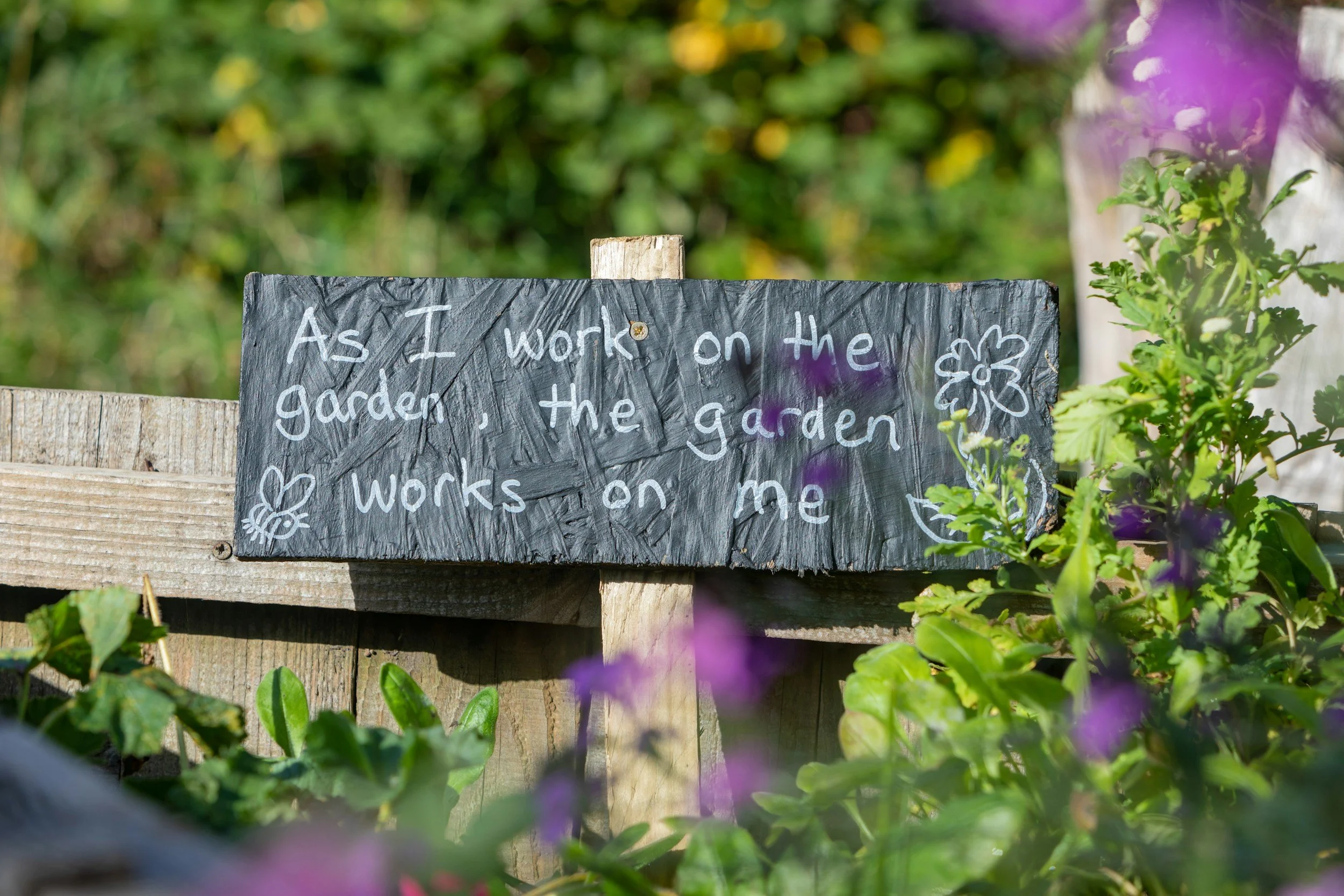
August in the English garden is a time of pause and plenty. The air feels full—rich with the hum of bees, the scent of lavender warming in the sun, and the rustle of leaves as the breeze shifts gently through them. The days stretch out with generous light, inviting us to linger outdoors longer, to take slow breaths and notice how alive everything is.
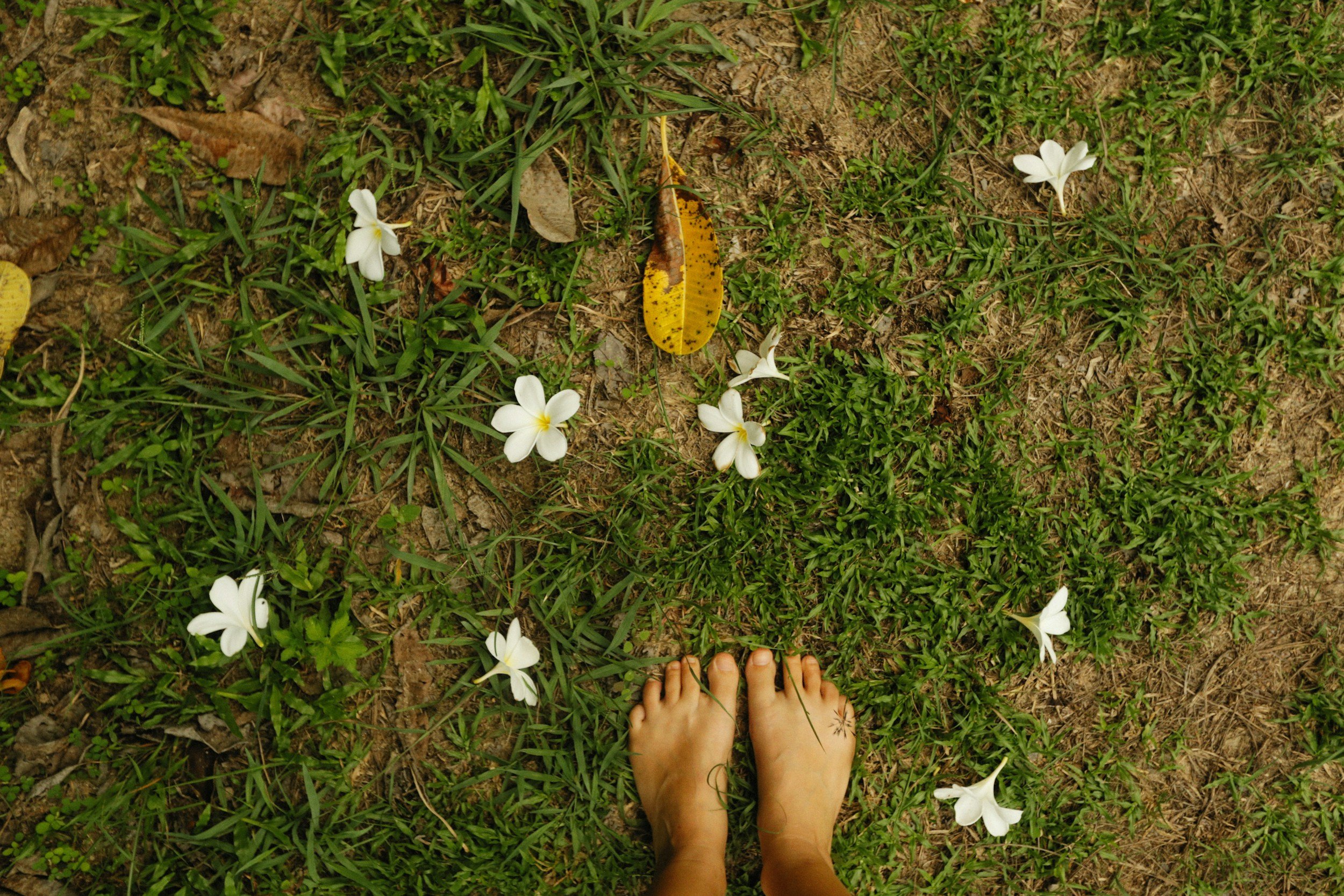
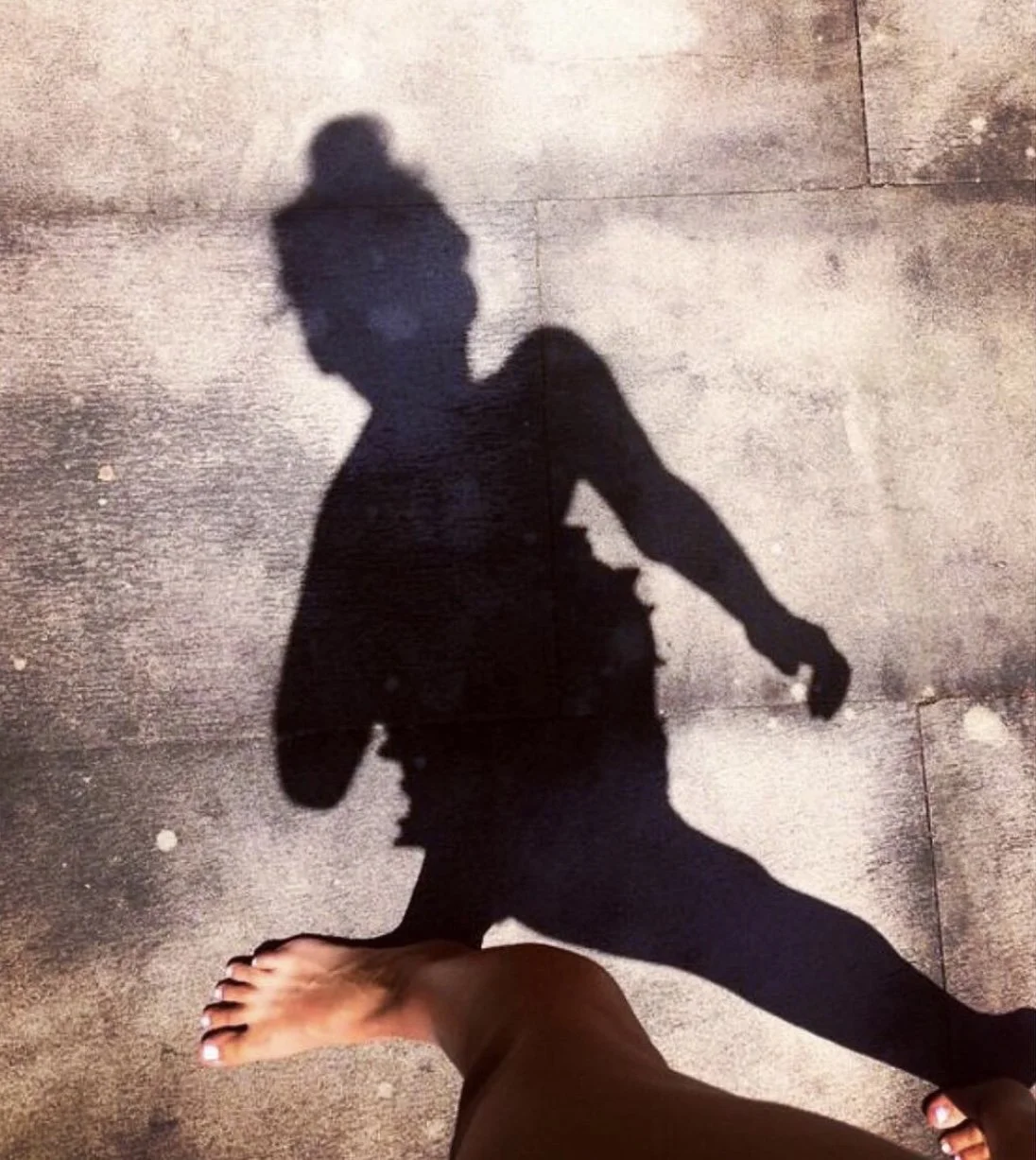
Early mornings are when I feel it most. There is a quietness then, as though the world is taking a collective breath. The sun is soft, not yet fierce, and the dew glistens on the grass. I like to step outside barefoot, feeling the cool ground beneath me, pausing to stretch, to breathe deeply, and to welcome the day in. This is a moment of alignment: body, mind, and the earth beneath me. When we start our mornings this way, our circadian rhythm—our body’s natural clock—syncs more easily with the rise and fall of the sun. It helps us sleep better, think more clearly, and move through the day with steadier energy. Even if you don’t have a garden, a balcony, a doorstep, or even a window with a pot of herbs can become a sanctuary. It’s not the size of the space that matters—it’s the intention you bring to it.
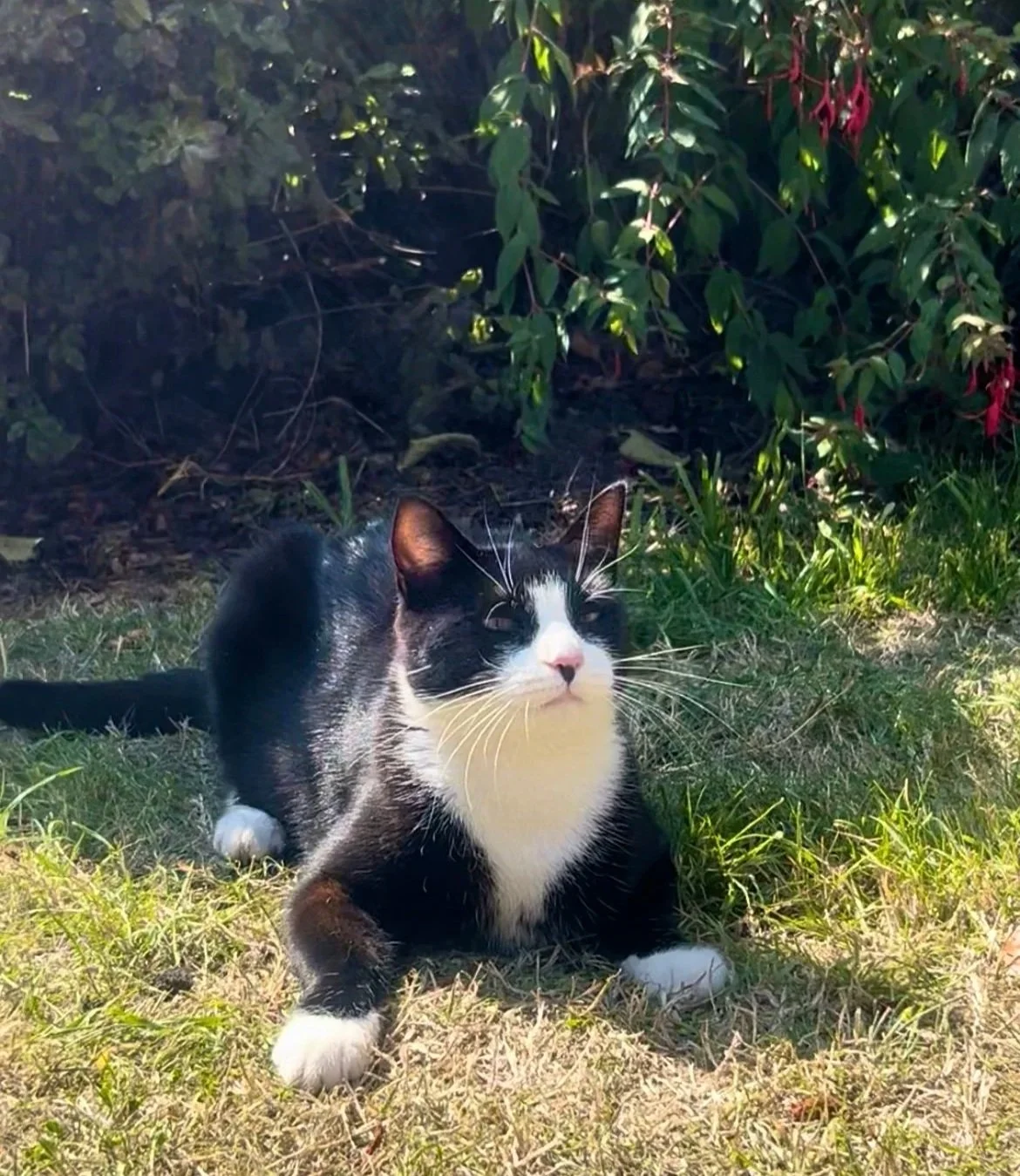
Lady Gigi, my black-and-white cat, joins me in these rituals. She weaves through the long grasses, crouching low as though stalking imaginary prey, or appearing suddenly beside me with a playful pounce. She is still so young, still discovering the joy of being outside. Watching her is a reminder that we are all discovering in our own way—that curiosity and wonder never truly leave us if we allow them to stay.
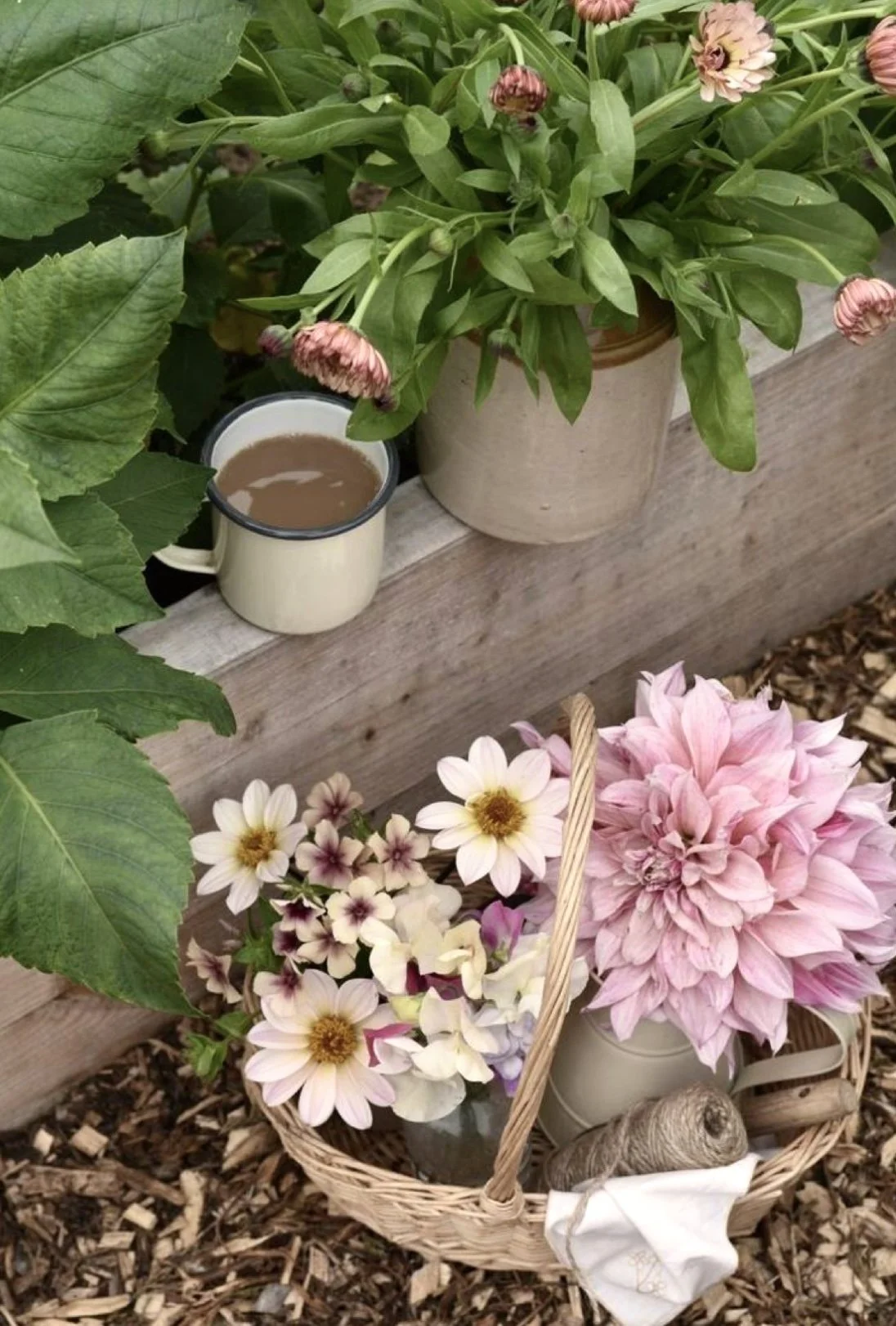
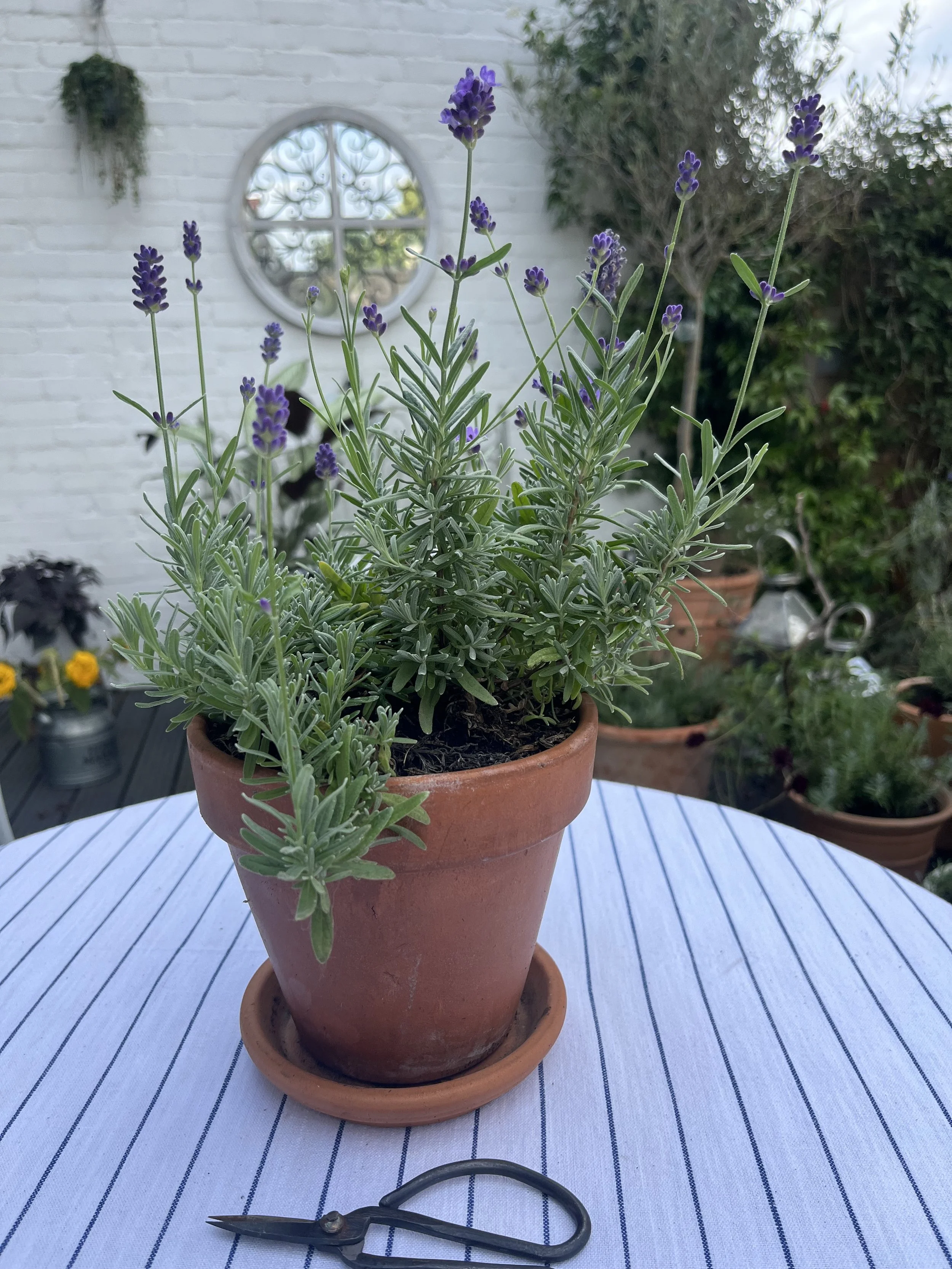
The garden itself is alive with abundance. Lavender spikes stand tall and proud, their scent carried on the warm breeze. Calendula blazes with orange brightness, cosmos stretch upwards, and roses open their soft blooms. There is a rhythm here: some plants bursting into flower, some holding the last of their colour, and others fading into seed heads, waiting to be collected. Even the dreary, dried heads of cosmos hold promise—they are seed for the seasons ahead.
Butterflies are everywhere this month, each one a tiny piece of moving art. If you spot them, pause and take part in the Big Butterfly Count—a national survey that helps protect these fragile pollinators. You can take part here.
Garden Notes: What to Do in August
August is not just for sitting back and admiring (though that is very much encouraged). There are gentle, rewarding tasks that prepare the garden for the months ahead:
Sow seeds: calendula, nasturtiums, pumpkins, spring onions, and beetroots all do well now. Nasturtiums bring edible flowers, bright pops of colour, and attract pollinators. Pumpkins will reward your patience come autumn.
Propagate hydrangeas: take cuttings now and prepare them for next season. I’ll be sharing a separate post on how to propagate and dry hydrangeas so you can keep their beauty with you all year.
Collect seeds: cosmos, lavender, calendula, chamomile—all ready for saving. Dry flower heads carefully, store in envelopes, and they will serve you well next year.
Pruning: keep roses tidy, encourage herbs to regrow, and trim back spent growth to make way for new. After pruning, notice how the plant rebounds—stronger, fuller. There’s something profound in that.
Enjoy abundance: tomatoes ripen, blackberries swell, herbs are at their peak. Gather what you can, dry or preserve some, and use the rest fresh.
It isn’t about ticking off jobs, but about being part of the rhythm—collecting, tending, and nurturing.
The Therapy of Soil, Plants, and Flowers
This isn’t new wisdom—our ancestors knew it instinctively—but science now confirms it. Touching soil triggers chemical changes in the body. Certain microbes in the earth stimulate serotonin production, which boosts mood and calms the nervous system. Simply looking at flowers releases dopamine, serotonin, and oxytocin—the same “feel-good” hormones that come with connection, joy, and love. This is why, after pruning, when the garden fills with fresh new growth, there is a deep sense of renewal in us too. The connection is both physical and emotional: our wellbeing is tied to the plants we tend.
I spoke about this in my previous journal on soil—how what lies beneath us is not inert dirt, but a living, breathing network that supports both our gardens and our health.
Grounding: Healing from the Earth Up
Grounding—walking barefoot on the earth, swimming in the sea, sitting on grass—is one of the simplest and most profound practices. Research shows that when the body connects directly to the earth, electrons transfer through the skin into the body, reducing inflammation, easing pain, regulating immune responses, and improving sleep. Most studies suggest just 30–40 minutes a day brings significant benefits. An excellent podcast I regularly listen to and draw from is the work of is Dr Josh Axe The Ancient Health podcast.
Grounding has continued to be part of my daily routine and recovery. There is something about pressing my feet into the grass that quiets the nervous system in a way nothing else can. It is a reminder that healing doesn’t always come from something complicated—it comes from connection.
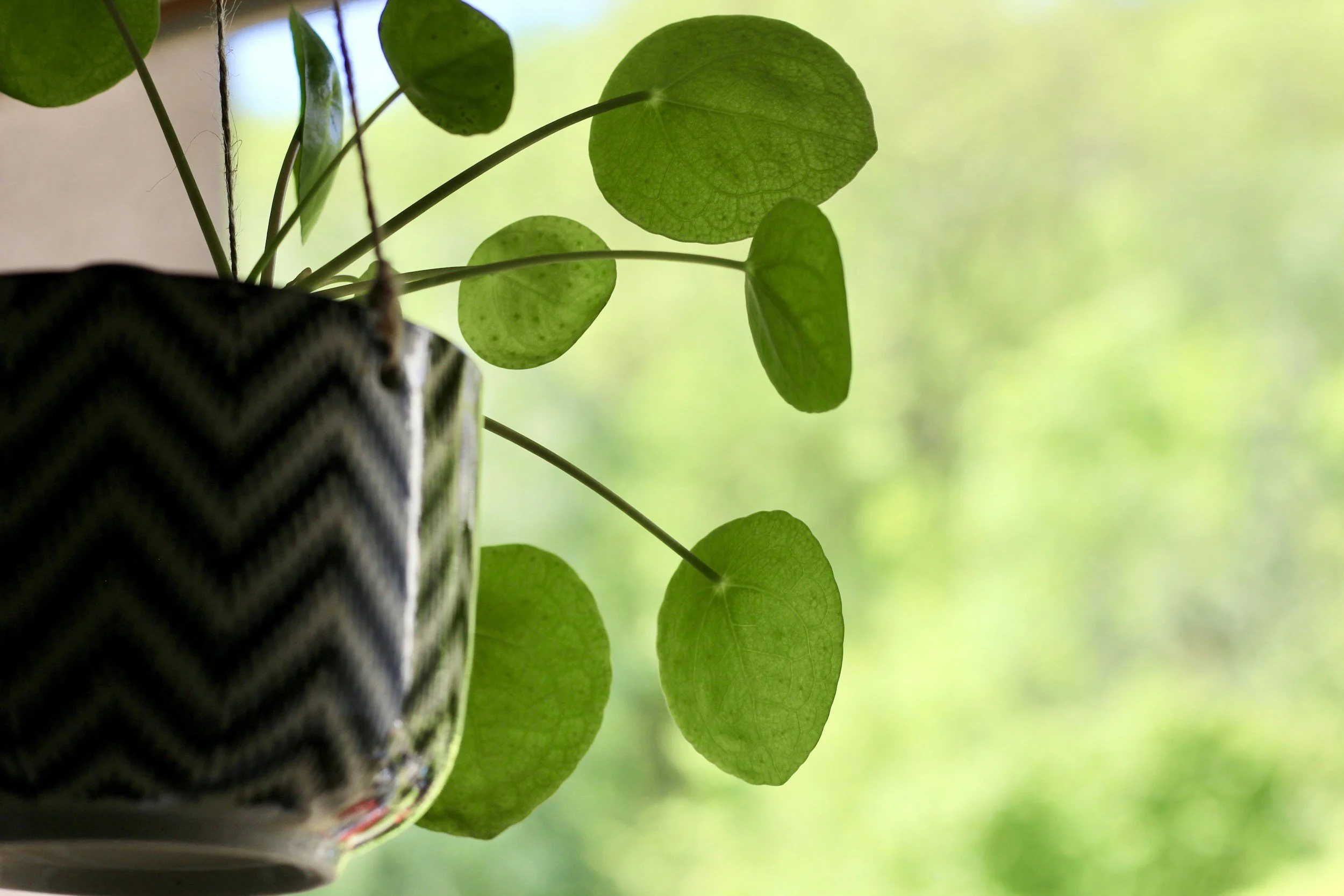
If you don’t have a garden, don’t be discouraged. A balcony, a park, or even potted plants can be enough. You can also bring this connection indoors by surrounding yourself with plants within your home—choosing varieties that thrive in the light you have and create a calming, restorative atmosphere. Touch leaves, press soil between your fingers, lean your back against a tree when you can. Notice how your breath changes when you do. And if you’d like guidance on which plants might work best for your space, The Wild Remedy can help you create and choose the right ones to bring nature closer to you.
Therapy, Healing & Safe Environments
I’ve been listening to conversations with Marisa Peer, and one thing that struck me was her critique of the old Freud model of therapy. She described how it can keep people “touching the wound,” circling the pain, and ultimately serving the therapist more than the client. It was, in her words, a terrible model—one that risks keeping people trapped instead of helping them move forward.
What she speaks of instead is a more empowering approach: transforming the beliefs we hold about ourselves, and creating new, healthier narratives that allow us to thrive. Healing should not mean endlessly revisiting pain; it should mean moving through it and into freedom. This resonated with me deeply, because it mirrors what I’ve come to believe through my own healing: that we don’t always need to keep reopening wounds—we need to create safe, nourishing environments where growth can unfold naturally.
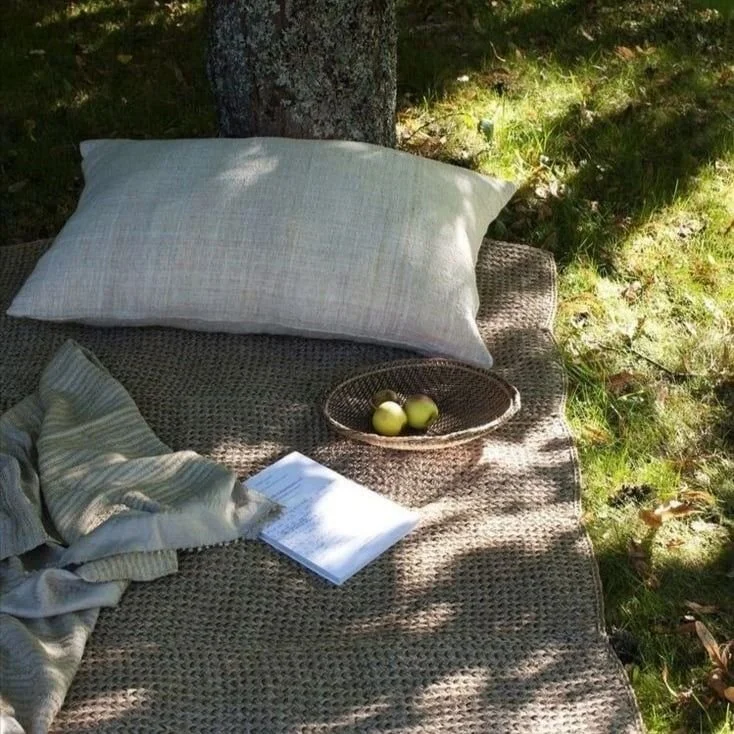
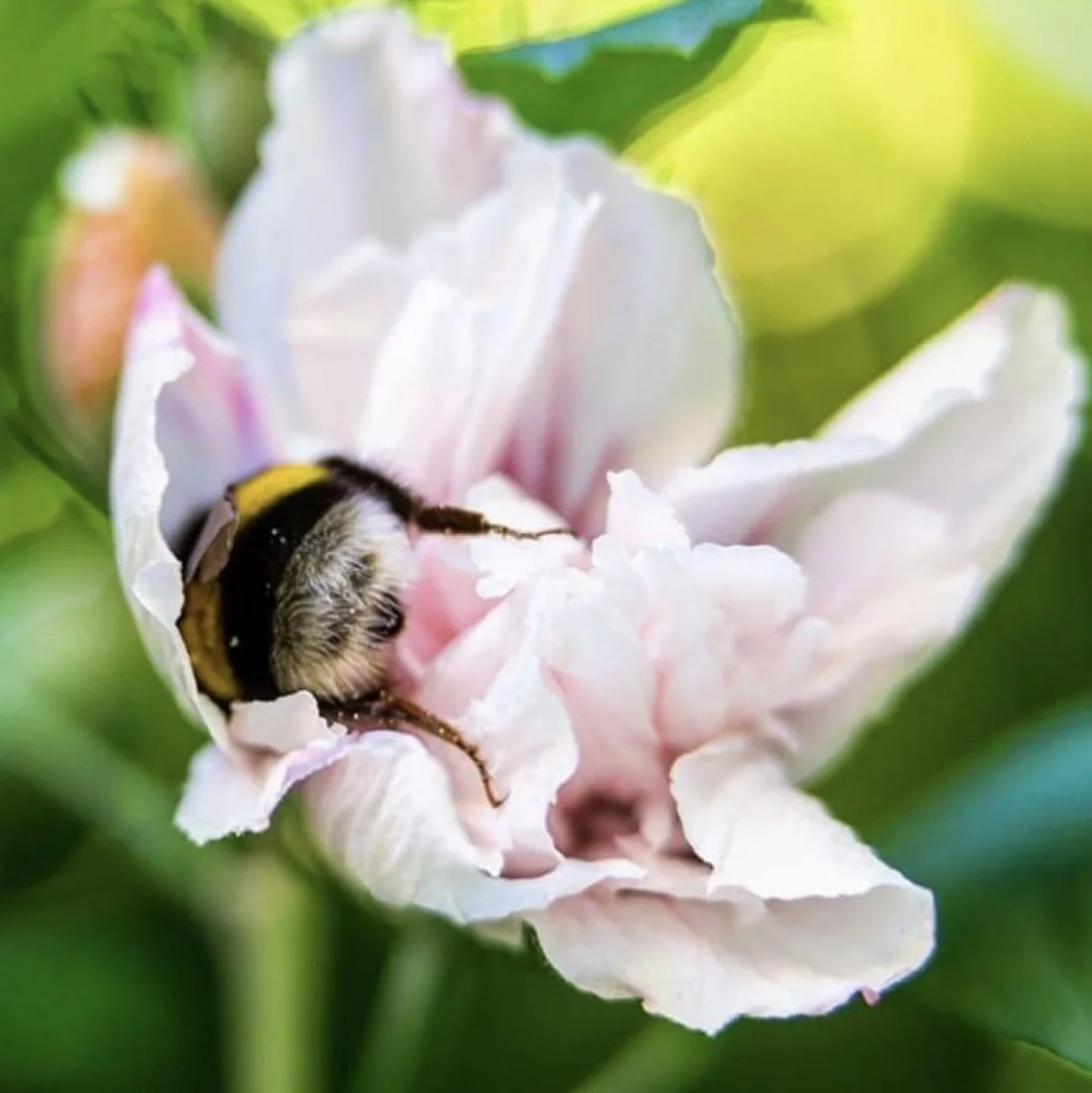
We heal in safe environments. For me, the garden is one of them. Soil under my nails, the scent of roses, or the quiet presence of a bee landing on a bloom—it reminds me I am enough, and that I can choose what thoughts I let in. As I wrote in my recent journal about thoughts being like clouds, I’m continuing to practice letting the darker ones drift by, while holding on to the light. Dr. Caroline Leaf reminds us that tending to thoughts is much like tending to plants—choosing what we water and what we let go of.
Recovery, Reflection & Herbal Medicine
This period of recovery has been both humbling and transformative. Being forced to slow down—something that has always been hard for me—has given me new clarity. It has deepened my appreciation for the healing power of plants and led me to a decision I might not have otherwise made: to embark on the path of herbal medicine.
This choice feels like a natural extension of everything I do at The Wild Remedy. Working with lavender, calendula, chamomile, and the herbs I grow has not only nourished me but shown me how plants can nurture others too. My hands in the soil, harvesting and learning, became both therapy and training ground. Herbal medicine is, for me, not just a study but a calling—a way to weave together science, nature, and care into something meaningful for the future.
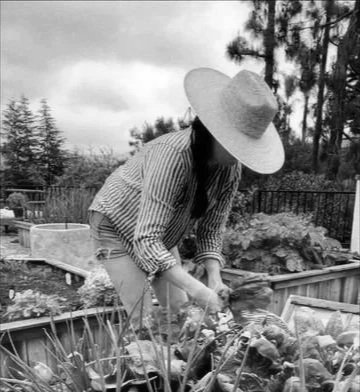
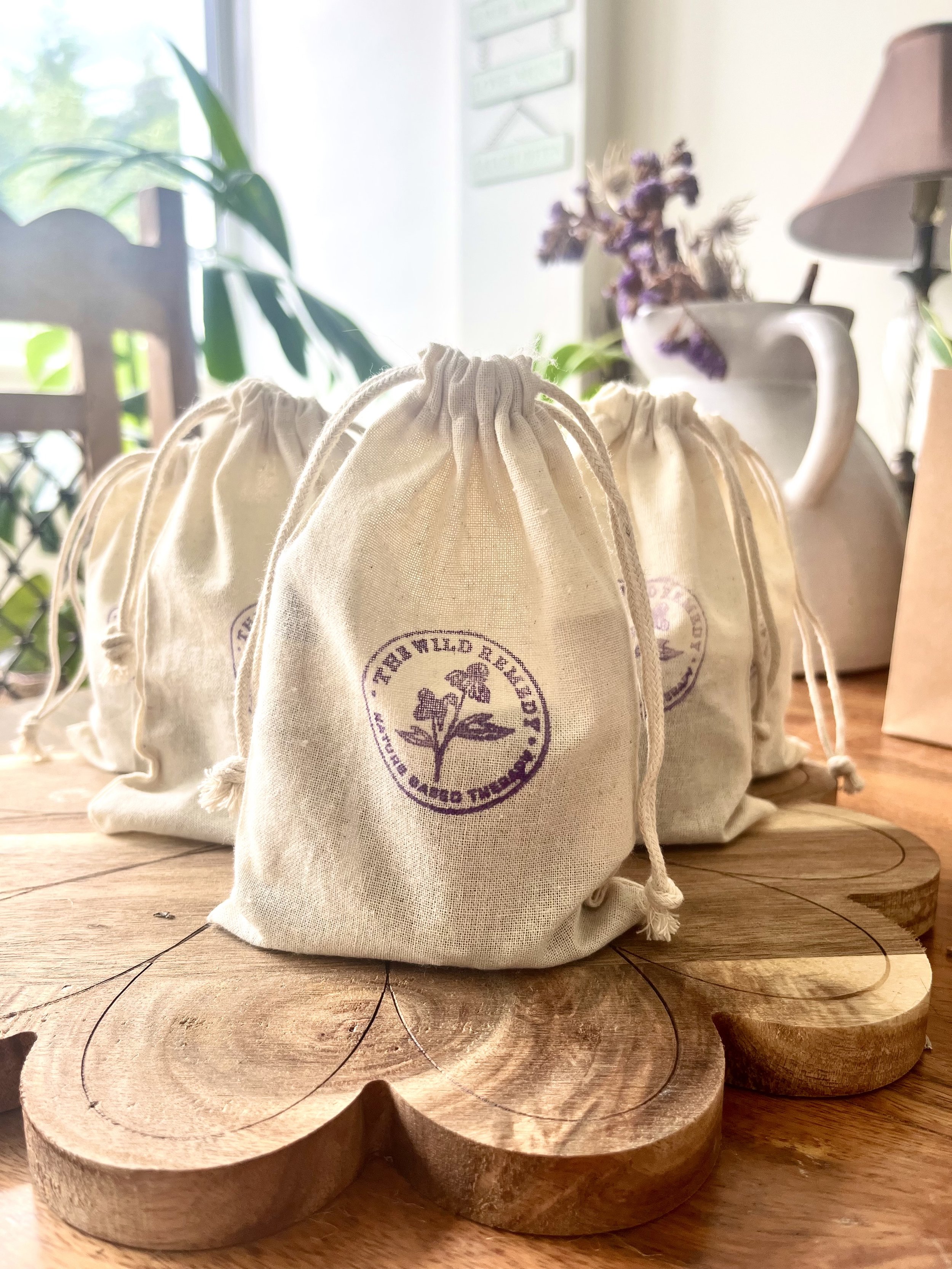
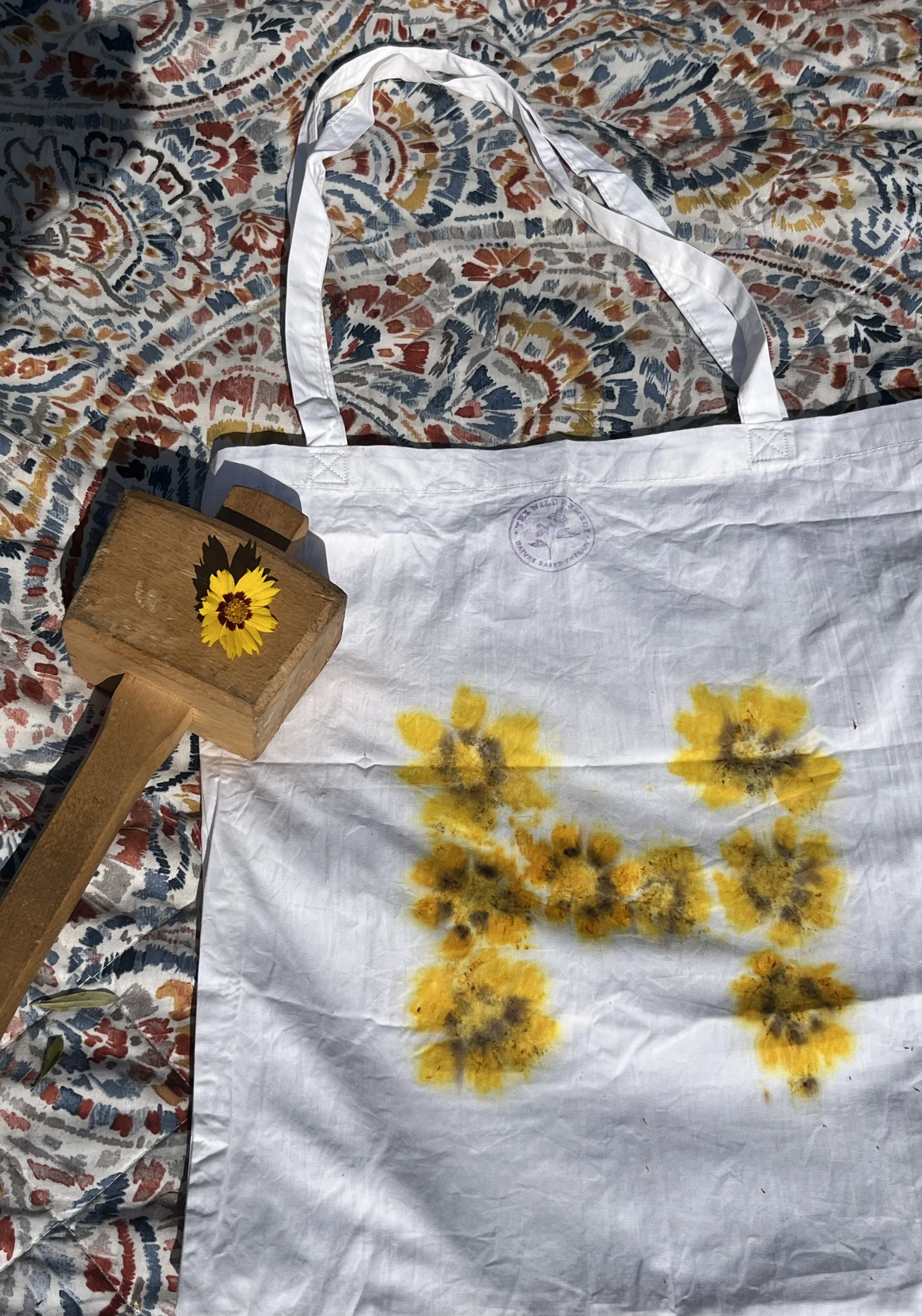
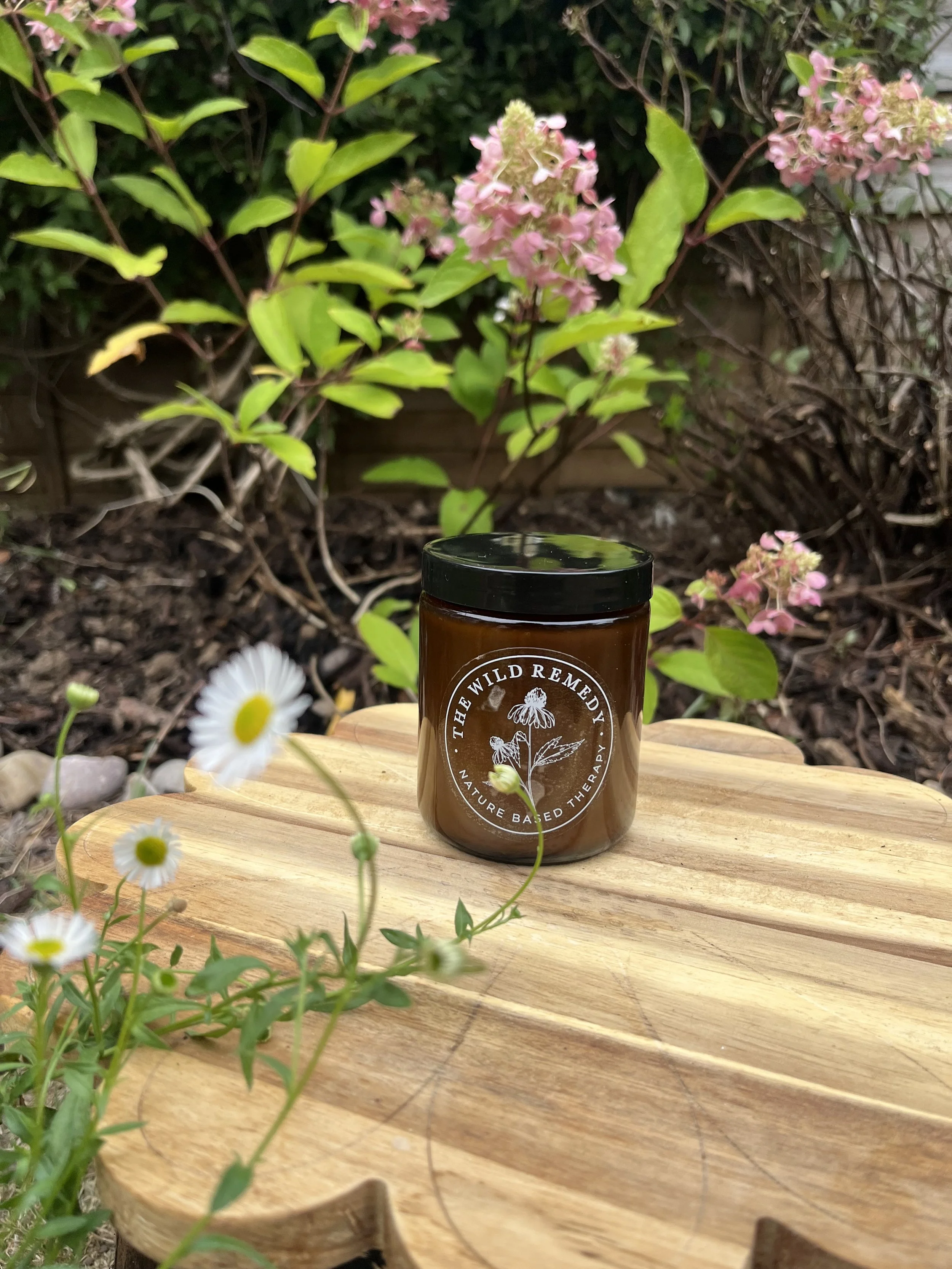
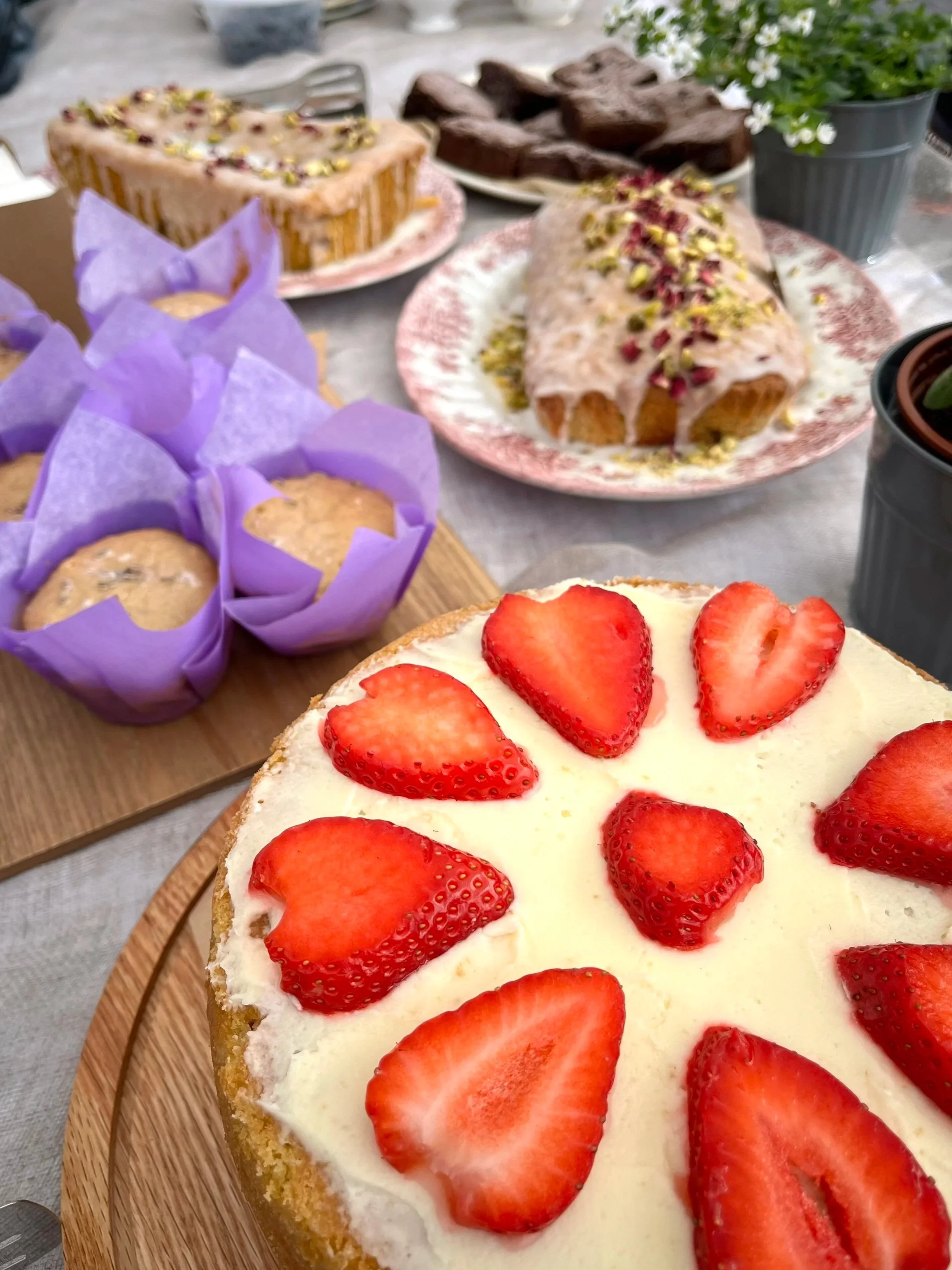
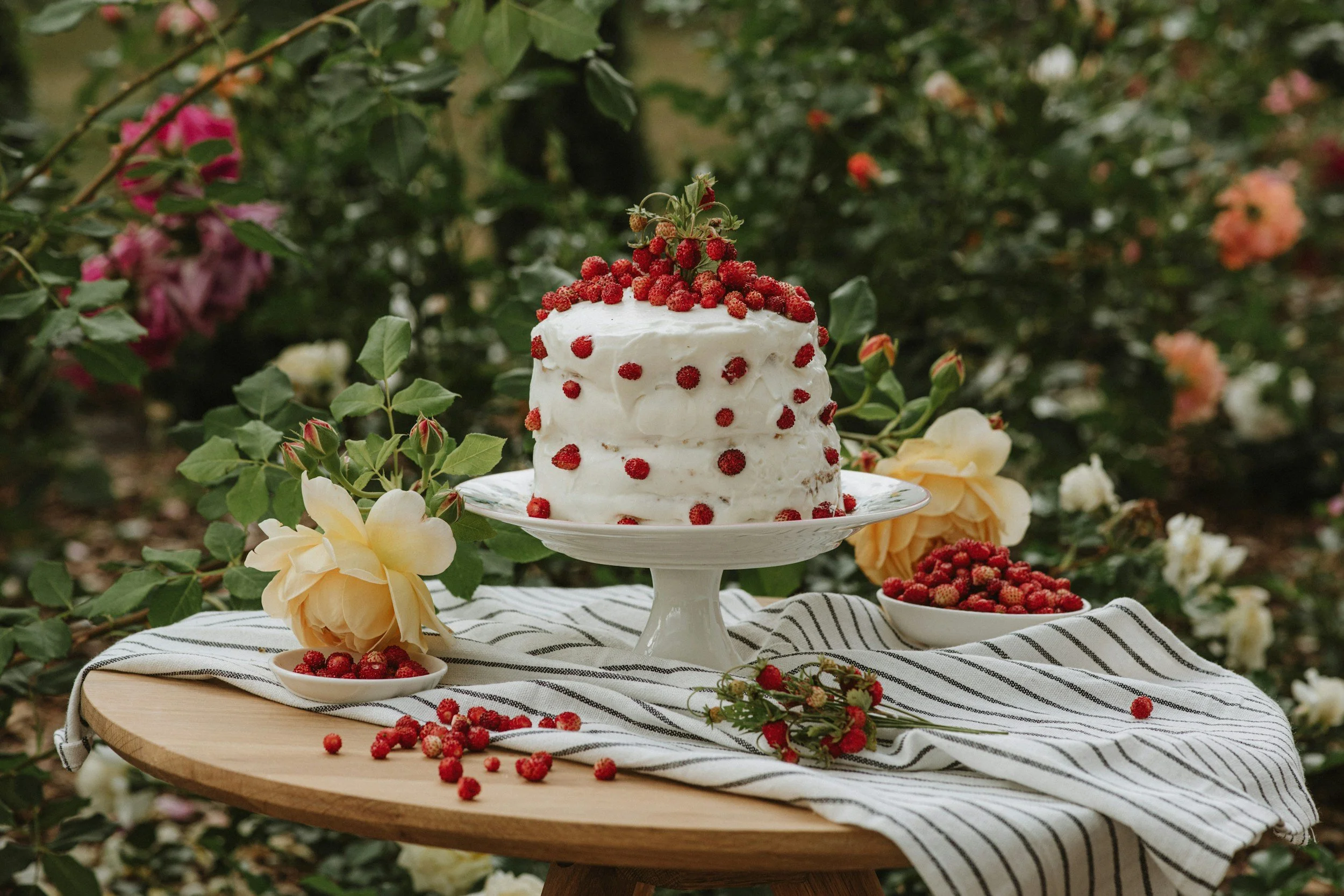
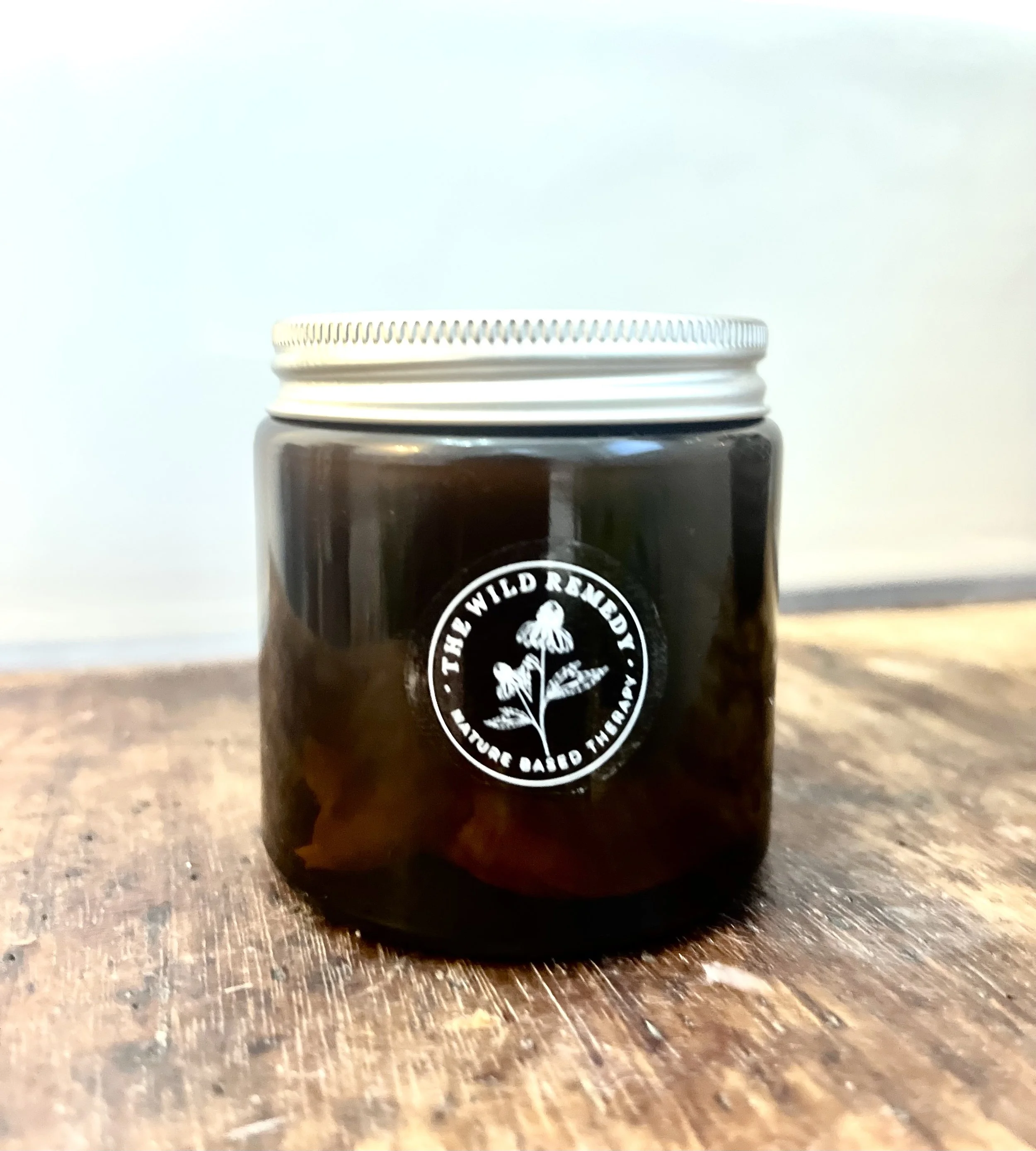
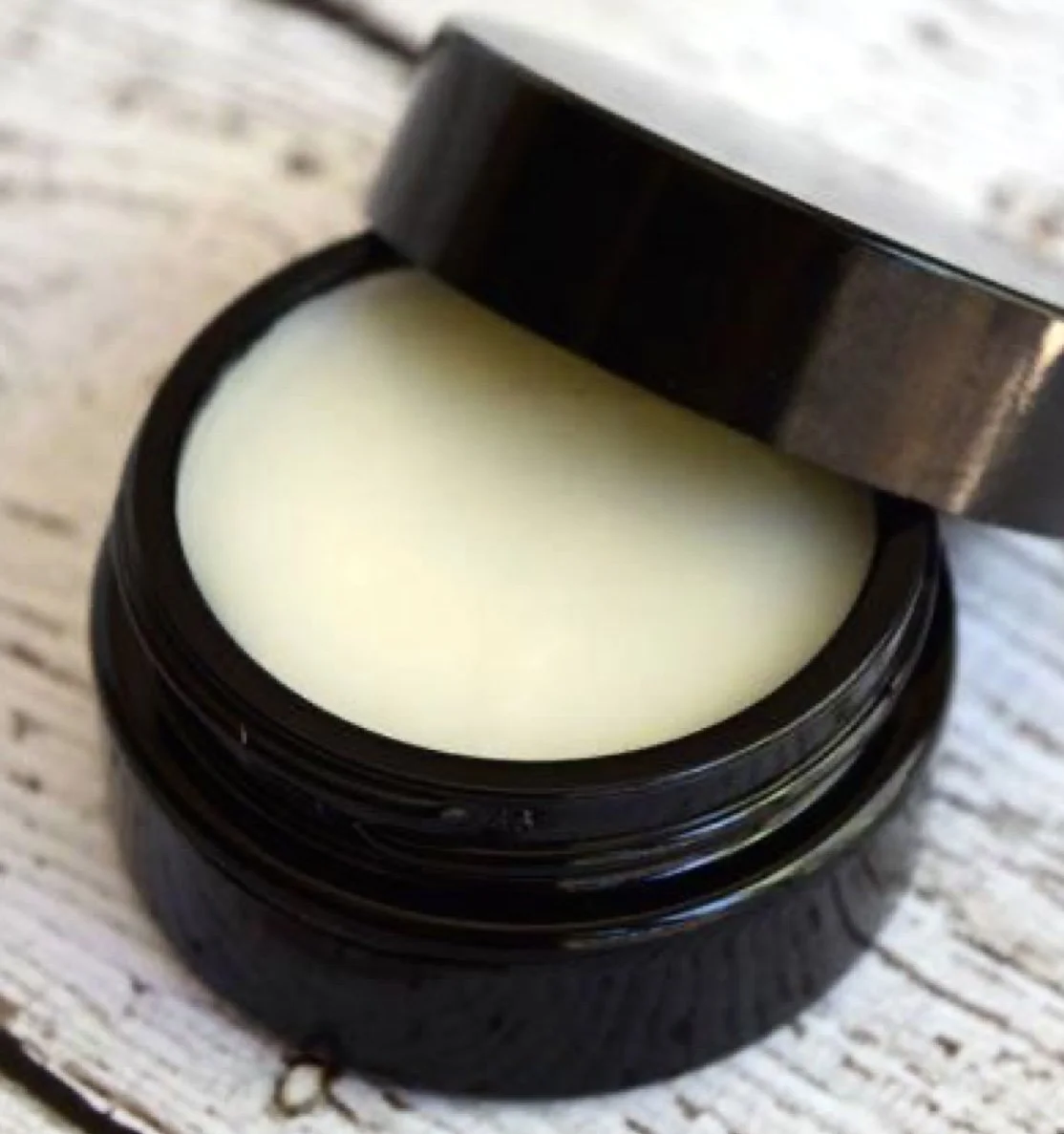
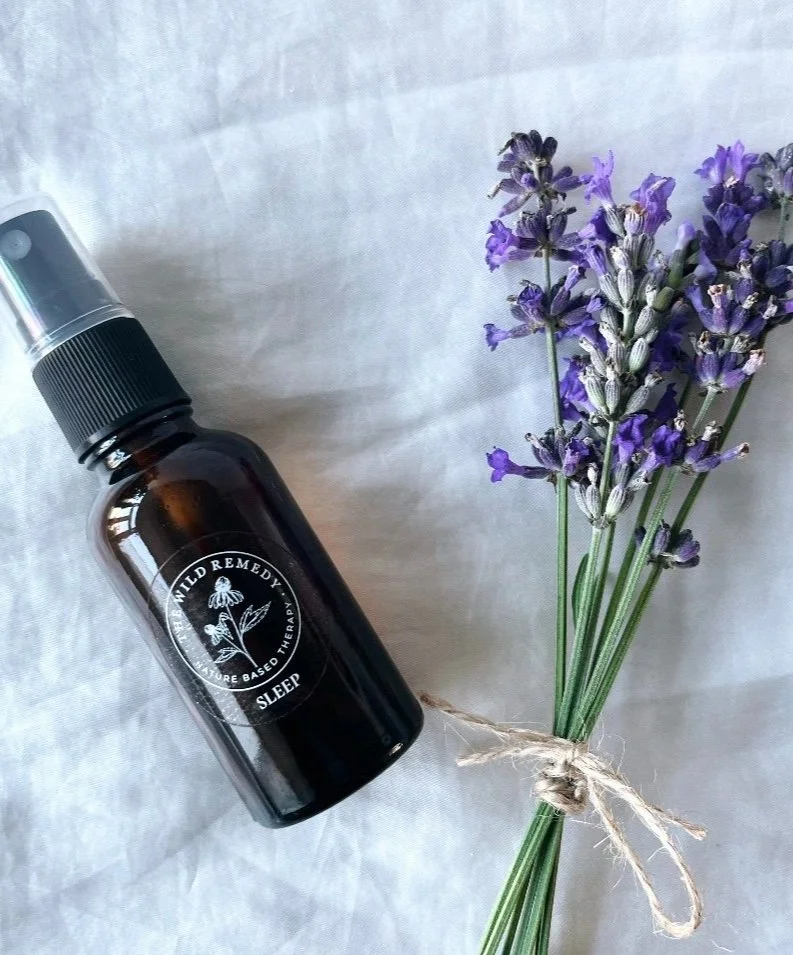
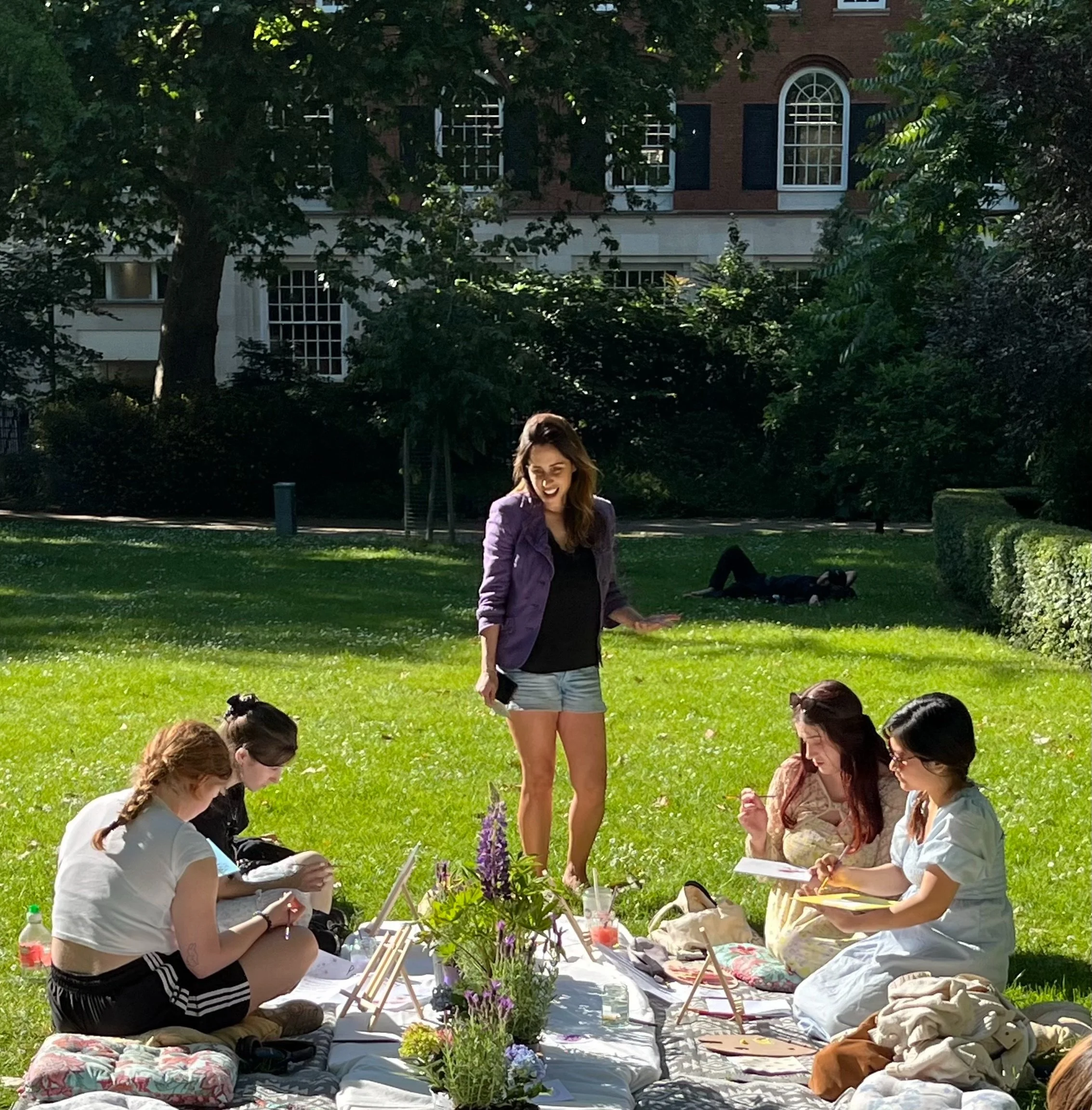
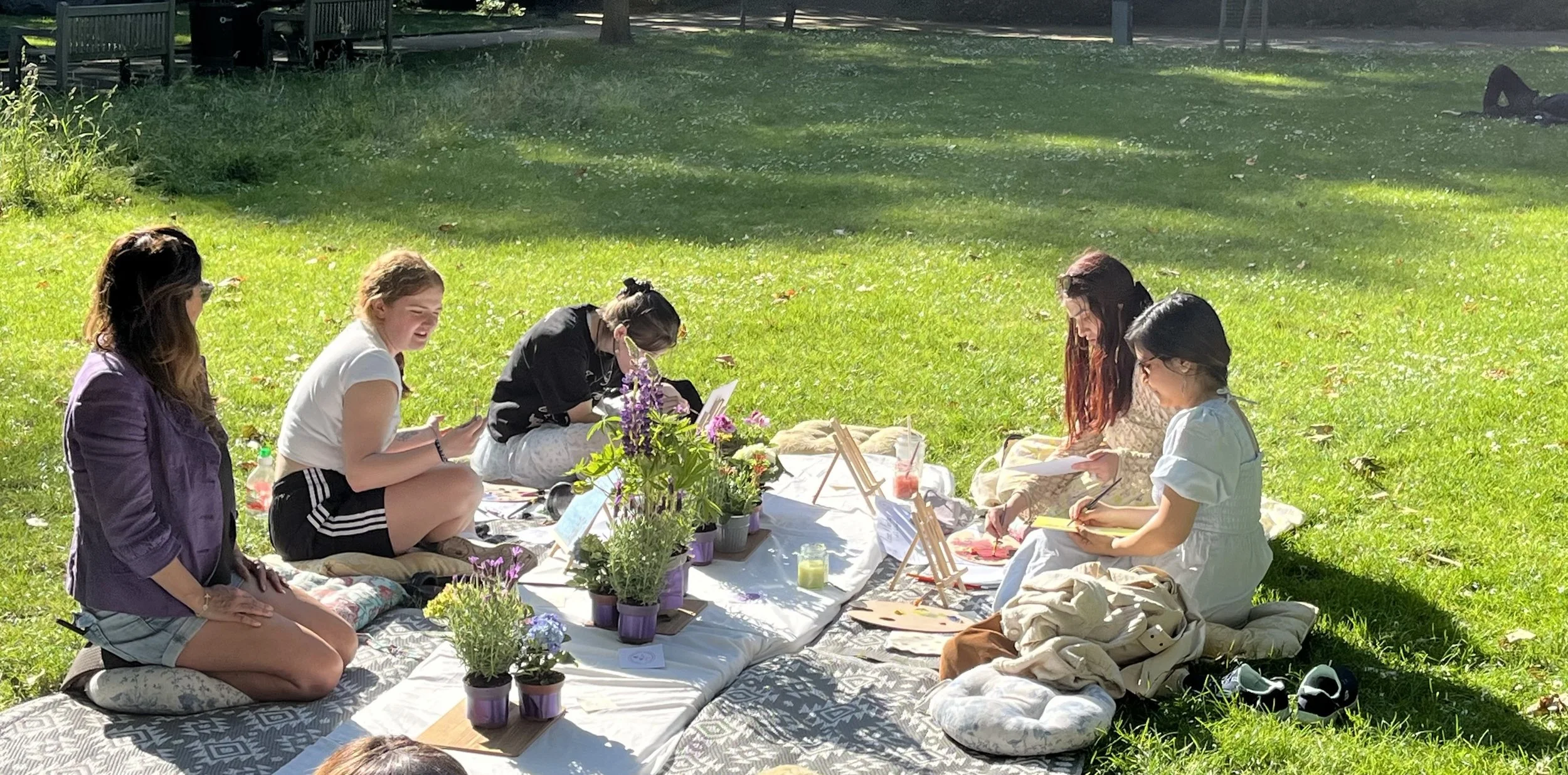
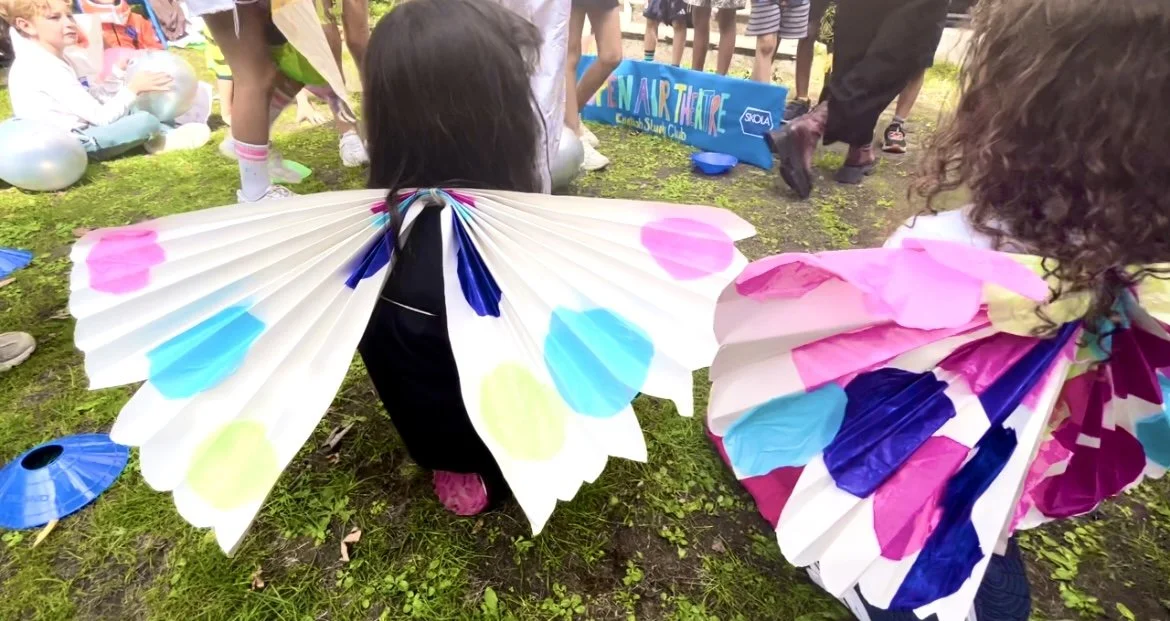
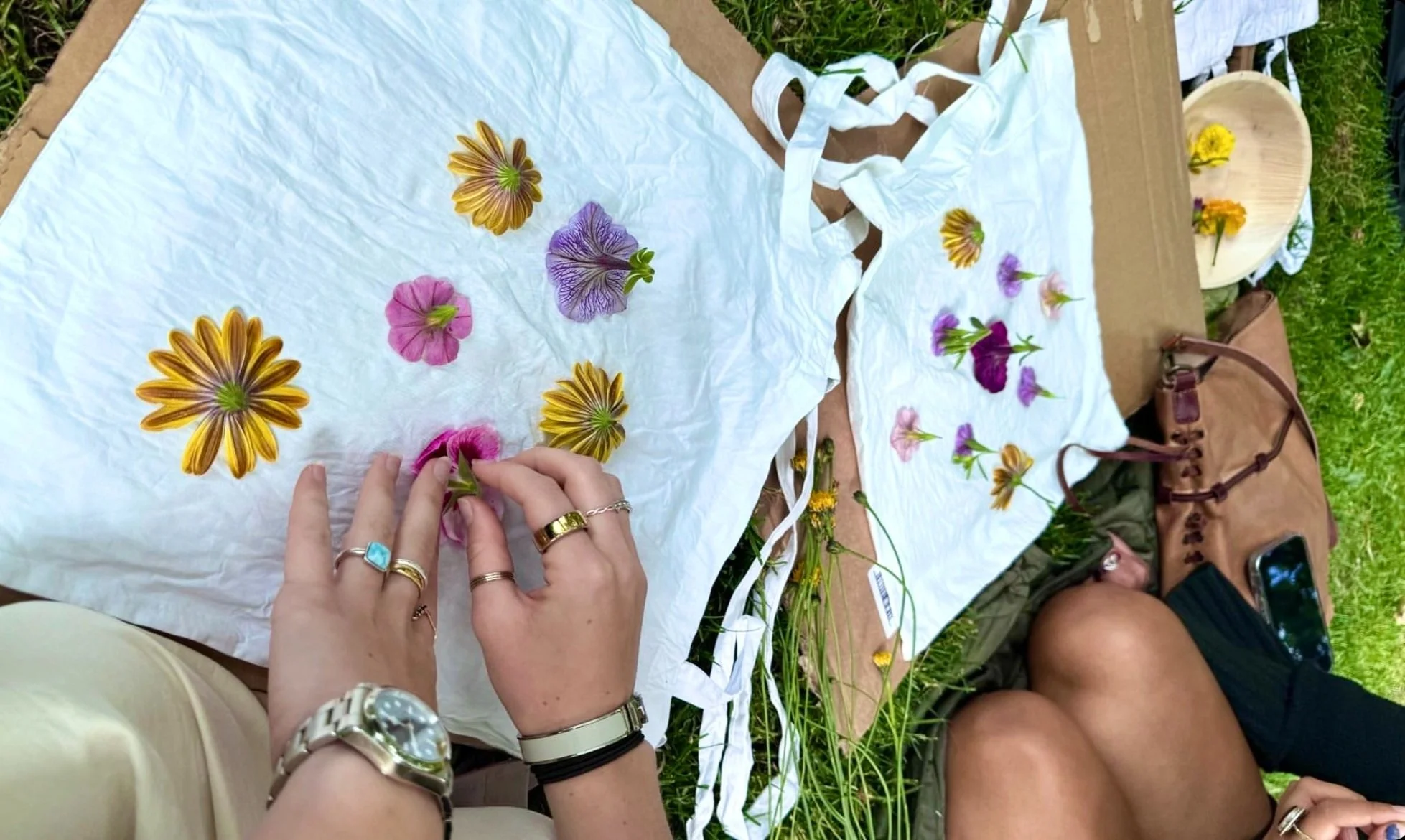
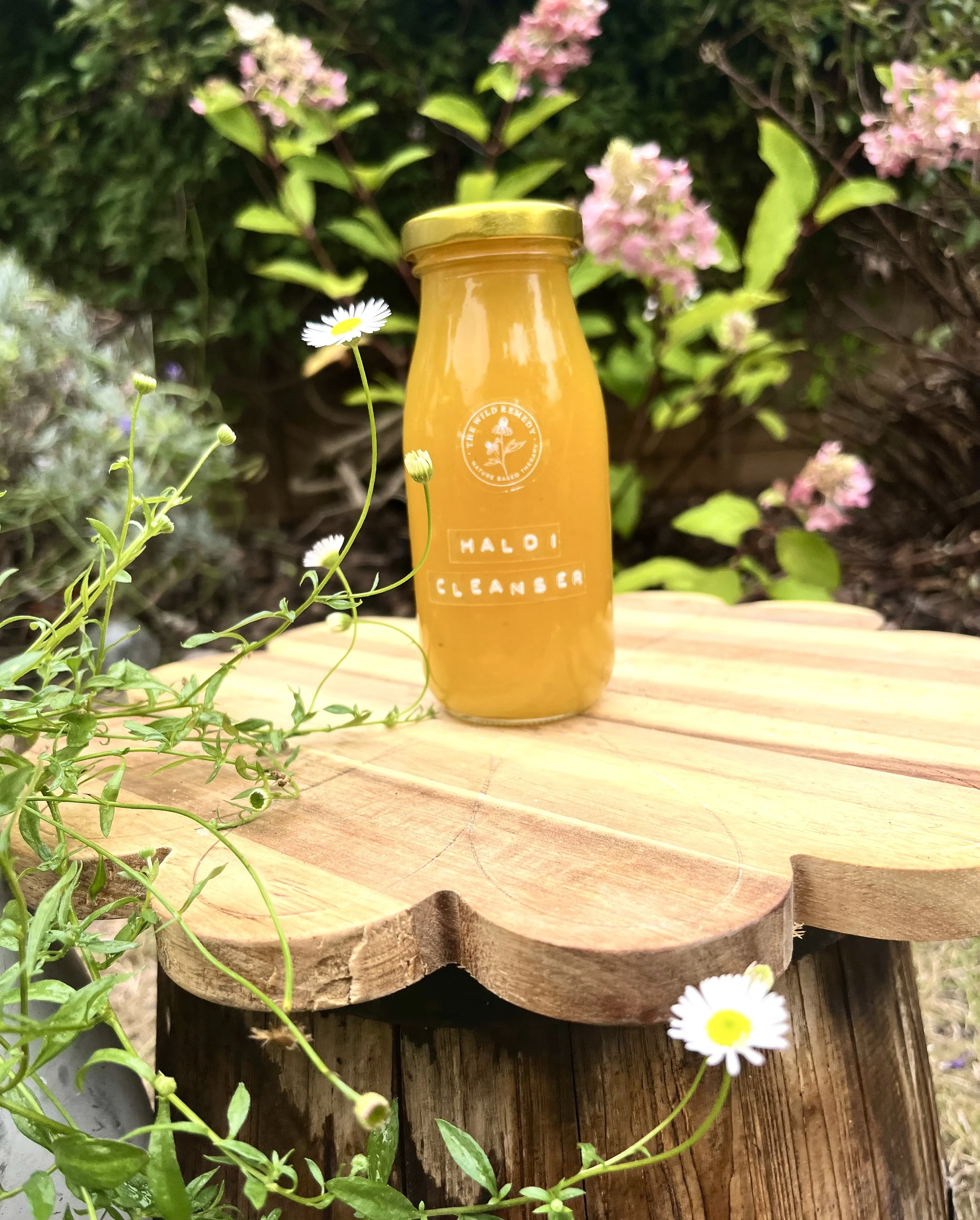
At the same time, I have been rediscovering my own creativity—refining my skills and creating ceramic pots of herbs and flowers, botanical acrylic and watercolour canvases, and hand-printed flower tote bags, all designed as bespoke pieces for customers. It has been a joy to work in this way, shaping something unique for each person—whether it’s a gift that carries meaning, a calming canvas for a quiet corner, our selection of homemade botanical bakes for all occasions and dietary needs, or a tote bag hand-printed with pressed blooms that remind someone of summer’s abundance. Customers often tell me how these pieces connect them to nature in a small but powerful way, encouraging moments of mindfulness each time they are used or seen. Continuing to grow our natural skincare collection alongside these has been another joy—products that carry the same ethos of beauty, healing, and integrity with nature. If you’d like to order something bespoke or book a workshop, email info@thewildremedy.org.




Living Authentically & Refusing to Dim Your Light
Part of this season of slowing down has taught me something I cannot ignore: I will never again shrink myself to fit into spaces that were never made for me. Too often, society tells us how we “should” be, what success looks like, how to perform or conform—and if we don’t, we’re judged or dismissed. I’ve felt that pressure, and for too long I allowed it to weigh on me. I have appreciated the wisdom shared on Lisa Bilyeu podcast ‘Women of Impact’.
But authenticity, I’ve come to learn, is the highest vibration we can live at. To dim our light for the comfort of others is to deny the very gift we carry. This journey, with soil under my nails and flowers teaching me patience, has shown me again and again: I am enough. You are enough.
When we root into our truth and refuse to be swayed by the noise of others’ opinions, we live with integrity. We show up as we are. And in that space, there is freedom, joy, and a deeper connection with ourselves, others, and the earth.
Wilderness & Wisdom
There are lessons the garden teaches that echo what we learn in harder seasons of life. I’ve come to see that the wilderness—the uncomfortable, uncertain times—can be full of wisdom if we are willing to listen. It’s easy to cry out and ask God, “Why me?” but I have found greater peace when I shift that question to “What do you want me to learn from this?”. Because God is not an author of disease but it doesn’t mean we won’t still be affected by the things and people on this earth. But he can be with us through it.
It isn’t always about having done something wrong; often it’s about being reshaped, realigned, and given clarity for the journey ahead. Those difficult moments reveal what no longer serves us, and they teach us how to walk more gently and truthfully in the direction of peace.
Just as pruning strengthens a plant, our own discomfort can strengthen us if we let it. What we carry from the wilderness becomes wisdom, and when we lay it before God, it becomes guidance.
Glimmers & Gratitude
Alongside this has come a deepening sense of gratitude—woven through the smallest of moments. A butterfly landing nearby, the smell of rosemary crushed between my fingers, summer evenings in the garden with friends and family, Lady Gigi leaping playfully from the grasses—each of these is a glimmer, a quiet reminder that joy is still here, that beauty persists even in uncertainty.
Gratitude is a practice of noticing. It softens the edges of fear and sharpens our awareness of abundance. The garden has been my greatest teacher in this: there is always something to be grateful for, whether it is a seed germinating, a rose unfurling, the continued gifts it gives and provides to others or the rhythm of the earth itself continuing. These glimmers are more than enough to carry us forward.
Myofascia & Daily Maintenance
Another part of my healing journey that I began some time ago, and continue with now, is myofascia release. This isn’t a new discovery for me, but rather an ongoing practice—one I feel is too important not to share, because it is so often overlooked.
The fascia is connective tissue that runs through the entire body, linking muscles, organs, posture, even our emotional wellbeing. When it becomes tight or restricted, it doesn’t just cause discomfort in one place—it ripples through the whole system. Releasing this tension can unlock profound changes, bringing relief not just to the body but to the mind. For me, this began with the skilled hands of a good osteopath, who helped me understand how much fascia impacts not just posture and pain, but energy, digestion, and mood.
Since then, learning about myofascia has been a continued journey, reminding me again and again how interconnected everything is. The garden may be my sanctuary, but tending to the body’s own “internal garden” is equally vital. Day-to-day, we can support this by stretching gently, moving regularly, dancing to favourite music, walking in nature, or simply breathing more deeply. These aren’t luxuries—they are forms of maintenance, the same way pruning strengthens a plant.
I encourage you to experiment with this in your own life: what happens when you release tension, even in small ways? How does your body feel before and after? And what ripple does that create in your thoughts, energy, or emotions?
Creating Spaces with The Wild Remedy
One of the joys of The Wild Remedy is helping others create these havens for themselves. Whether it’s a corner of decking with pots of lavender and herbs, a workplace garden for staff to enjoy, or a full planting design for the home, we create and maintain these spaces holistically alongside our clients like coaching or shadowing to foster and encourage that relationship and bond and movement. They are not chores, but companions—gardens that grow with you and become part of your healing. If you’d like to explore this for your home or workplace, contact us through our website.
And if you’d like to connect more deeply, consider joining our Wild Circle community, or think of us when planning your next special occasion workshop or corporate wellbeing day. We would love to bring nature, creativity, and mindful living into your world.
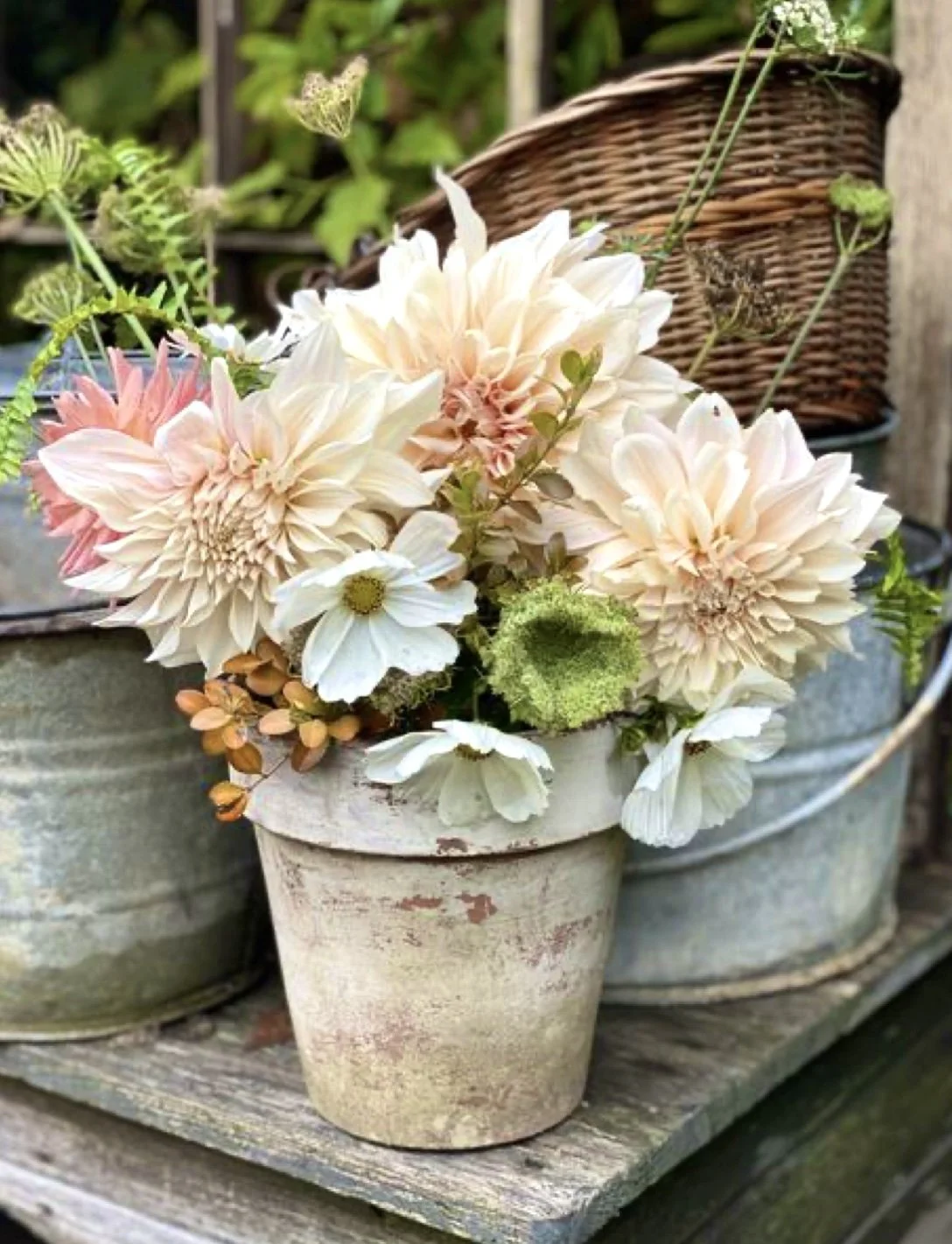
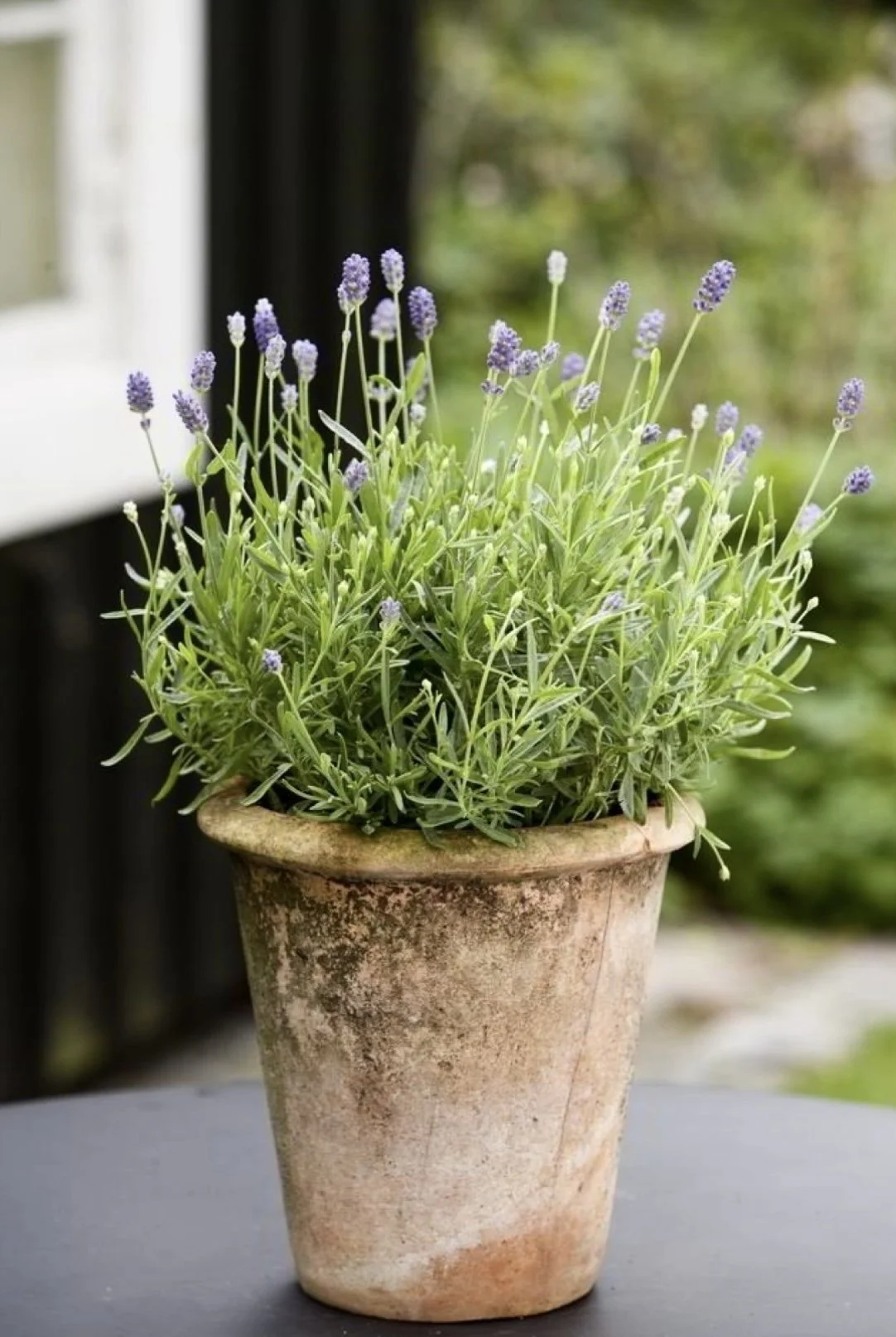
Chubby Lavender Ceramic Pots by The Wild Remedy.
Garden Notes Template
For those who like to jot down what they notice, I’ve created a Garden Notes template with The Wild Remedy logo for you to download. Use it for seeds sown, flowers blooming, thoughts let go of, and moments of mindfulness. These notes become a journal of growth—yours and the garden’s. We have a complete journal for each month of the year available to buy info@thewildremedy.org
Download your Garden Notes page [here].
As I sit writing this, surrounded by cosmos, calendula, hydrangeas, lavender, and more blooms than I’ve ever grown before, I feel both gratitude and awe. The butterflies flicker, bees dart between flowers, and Lady Gigi pounces happily through the long grasses.
The garden has been both mirror and teacher through this time of healing—reminding me that pruning leads to stronger growth, that seeds must rest before they bloom, and that every season has its gifts.
May the rest of this August invite you to step outside, to ground, to breathe, to notice. Whether you sow seeds, prune a rose, or simply sit with your feet in the grass, I hope you find what I have found here: that you are enough, and that healing can be simple, beautiful, and rooted in the rhythms of the earth.
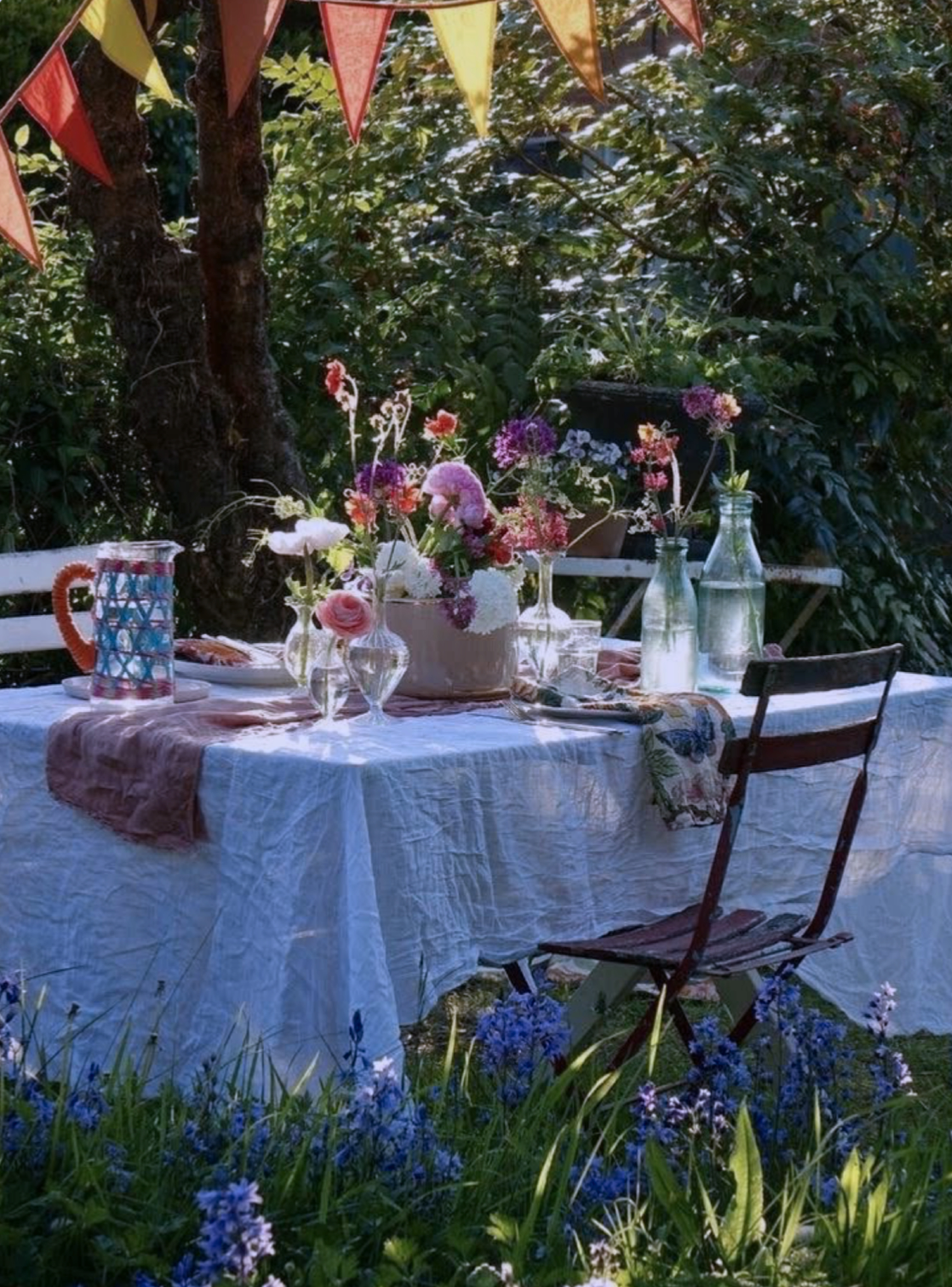
So I leave you with a gentle question: what is one small thing you can do today to begin reconnecting with yourself? Perhaps it’s placing your bare feet on the grass, taking three deep breaths at your window, writing a single line in your journal, surrounding yourself with a new plant for your home, or simply noticing the sky as it changes above you. Begin there. Let it grow.
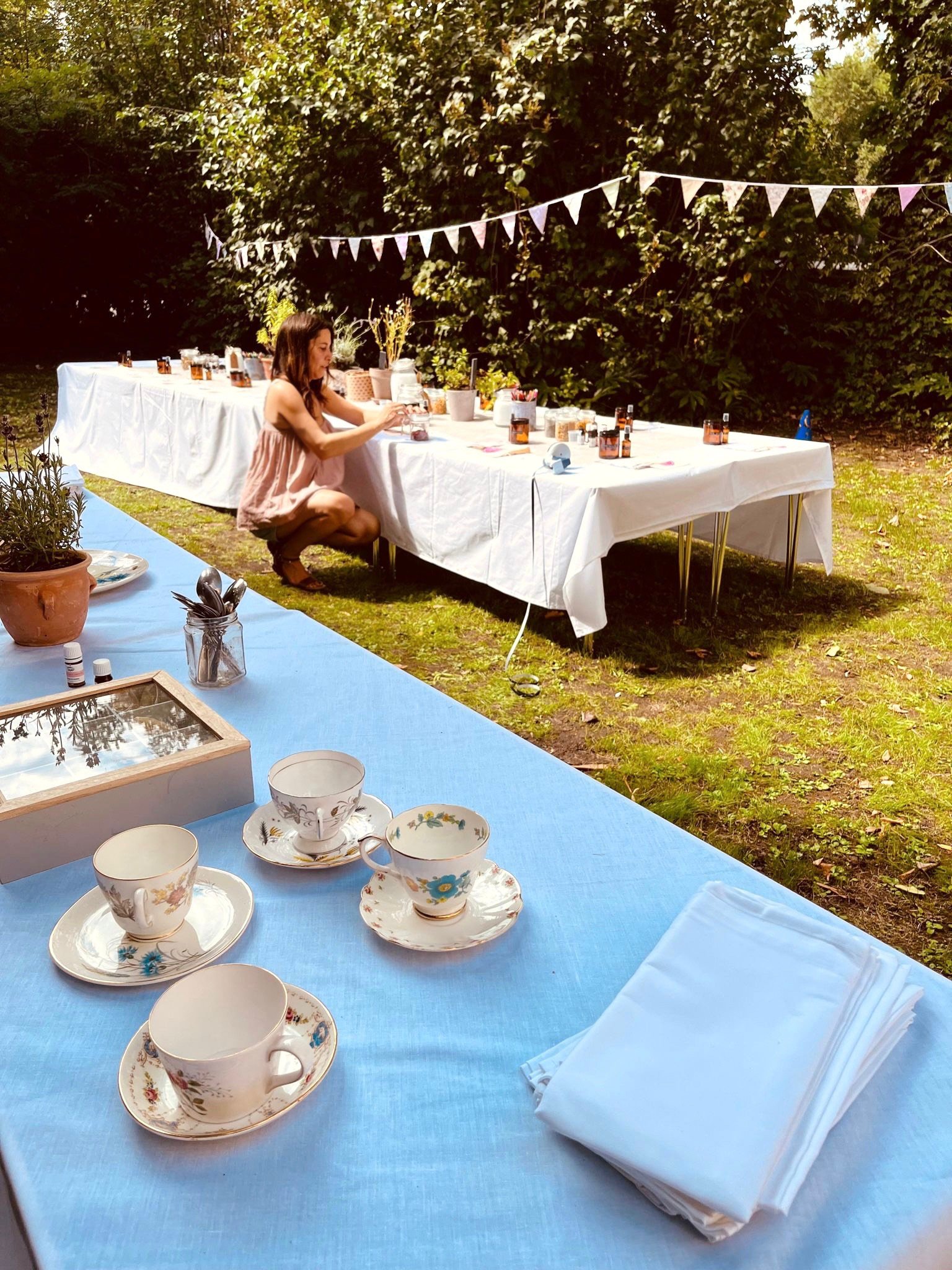
And finally, I want to express my gratitude for all those who have supported me and The Wild Remedy on this journey so far—those who listened, who invested their time and encouragement, who bought a product, a plant, a painting for their home or business space, who booked a workshop, who gave us use of their venue space in the early days. Your support has been a foundation. Taking a leap of faith to put yourself out there and follow a dream is no small thing, and knowing I am not walking alone has meant everything. As The Wild Remedy continues towards finding its own space to grow, make, and share, I carry this gratitude with me. Every step is shaped by community, and for that, I am endlessly thankful.
“With freedom, flowers, books, and the moon, who could not be happy?” — Oscar Wilde
With love,
Bee
Founder of The Wild Remedy
🌿