

Coming Home to the Self: What Nature and God Have Been Whispering to Me
Journal Entry – Bee
Recently, I have been dealing with a health scare. One of those quietly unnerving kinds where the results are still inconclusive, and you’re left floating somewhere between "you’re fine" and "you’re not" – and in that murky middle space, everything slows down. There’s nothing quite like uncertainty to make you listen.
To your body.
To your breath.
To God.
And also, to the noise – all the noise – that fills our heads and homes and feeds our nervous systems more than we realise.
In this space, I found myself instinctively doing what I’ve always done when I need truth: I turned to nature. I slowed down and leaned into the soil. I listened to the trees. I noticed the season shifting and remembered that nothing in nature blooms all year. There is wisdom in the bare branches, and peace in the pruning. And as I cared for the garden, I realised I was also beginning to care for myself in ways I hadn’t for a long time.
I began to ask: What is my body trying to say? What is my heart aching for? What is my mind looping on that I haven’t addressed? Not with panic or shame, but curiosity. As Dr Caroline Leaf explains, our thoughts are like trees or clouds – and our mind, a realm that hovers around us, influencing how we feel and respond. The good news is that we can direct and tend to that space just like a garden – with intention, presence and love.

‘our thoughts are like trees or clouds – and our mind, a realm that hovers around us’ Dr Leaf
The Wild Remedy wasn’t born out of a perfect life. It grew out of healing. Out of the cracks.
This recent chapter reminded me why I started this journey – why I chose to walk with the wild, to make things with my hands, to understand plants and their medicine, and to teach others how to reconnect too. It’s about resetting, not escaping. About remembering, not reinventing.
Dr Leaf's work speaks powerfully to the process of "neurocycling" – a way of rewiring our thoughts gently and consistently, not forcefully. This isn’t toxic positivity. It’s science meeting grace. When I combine this with my time in nature – getting my hands dirty, witnessing regrowth after pruning, recognising the rhythms of the earth – I feel more myself. Not fixed. But rooted.
I’ve also recently turned a certain age. That beautiful, complicated milestone where society starts to make you feel invisible – as if your value is behind you. But I see things differently now. There is a rhythm to our lives: learning, doing, imparting. And the quiet, often invisible middle stage? That’s where the richest growth happens.
It’s the stage where trauma resurfaces in surprising ways, where rejection hurts more deeply, but where you also learn to honour your healing. You begin to see that every single thing you’ve been through – the father who wasn’t able to love me in the way I needed, the people who used or betrayed you, the patterns you repeated, the moments you thought you wouldn’t get through – has taught you something of strength. Something sacred. We are all living this life for the first time, and perhaps we’re all doing the best we know how, even when it doesn't look like love.
Sometimes, the wounds aren’t even just about what happened – but about being compared. To others. By people you love. Or comparing yourself when you didn’t measure up to someone else’s idea of enough. That pain runs deep. But I’ve been learning that comparison is a thief of peace. The garden doesn’t compare one flower to another – it allows each to bloom in its own time. Nature teaches us this: that your light is yours, uniquely formed. And it's not meant to be dimmed by someone else’s lens. We must learn to protect that light, to keep it burning – gently but fiercely – not in competition, but in truth.
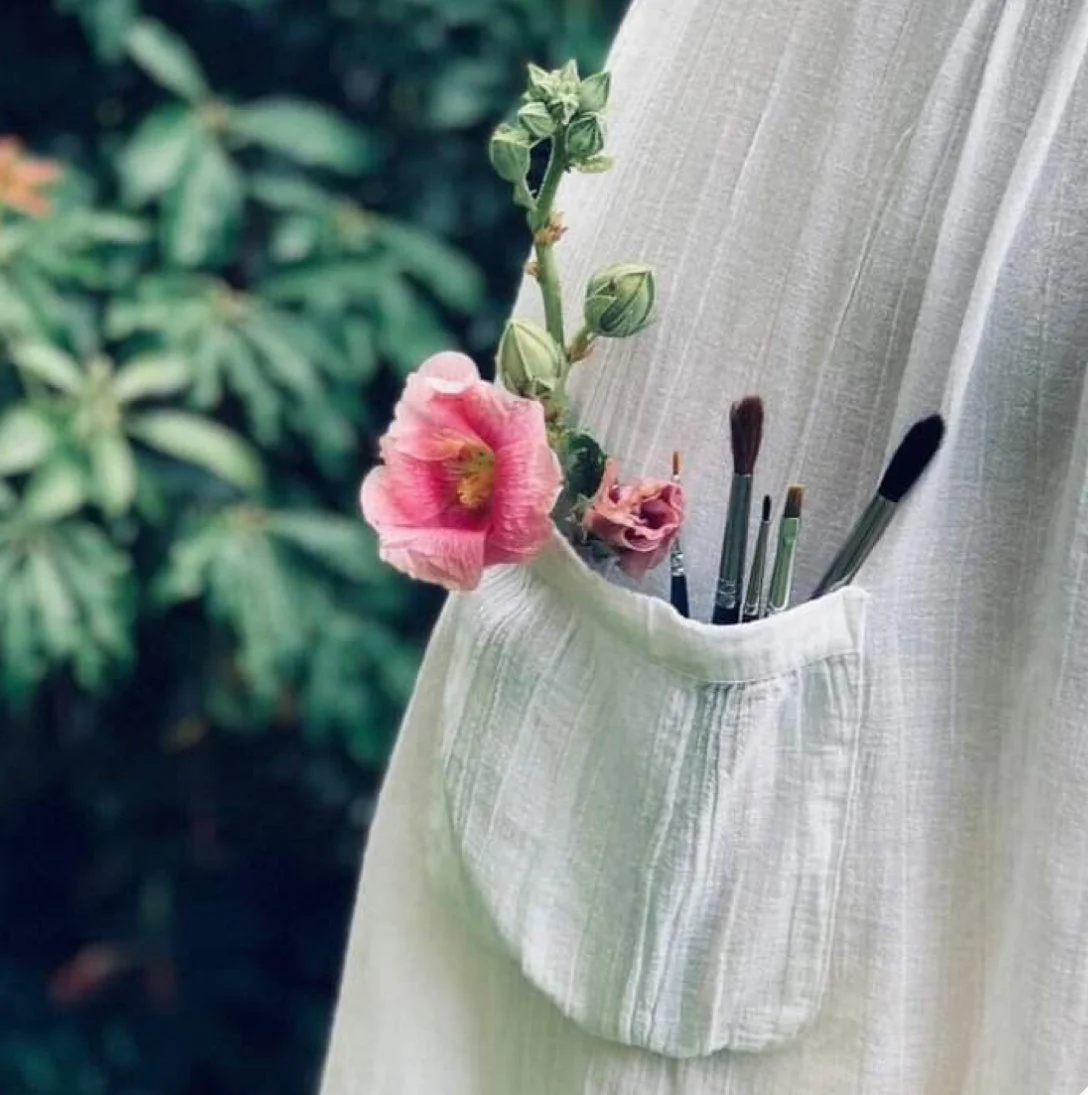
The garden doesn’t compare one flower to another – it allows each to bloom in its own time.
People say "hurt people hurt people", and yet some of us – maybe you too – have made a conscious decision not to pass on that pain. To feel it, name it, own it, but never inflict it. That is a quiet, radical kind of strength.
And in the middle of all that? Forgiveness. Not a one-time act, but an ongoing process. A choice. A journey. As Dr Leaf also says, forgiveness isn’t just for them – it’s for us. It’s about releasing ourselves from the weight, and giving ourselves the gift of peace. Some days it’s easier. Other days it feels like starting all over again. But like nature, we show up, we tend to it, and over time – something shifts.
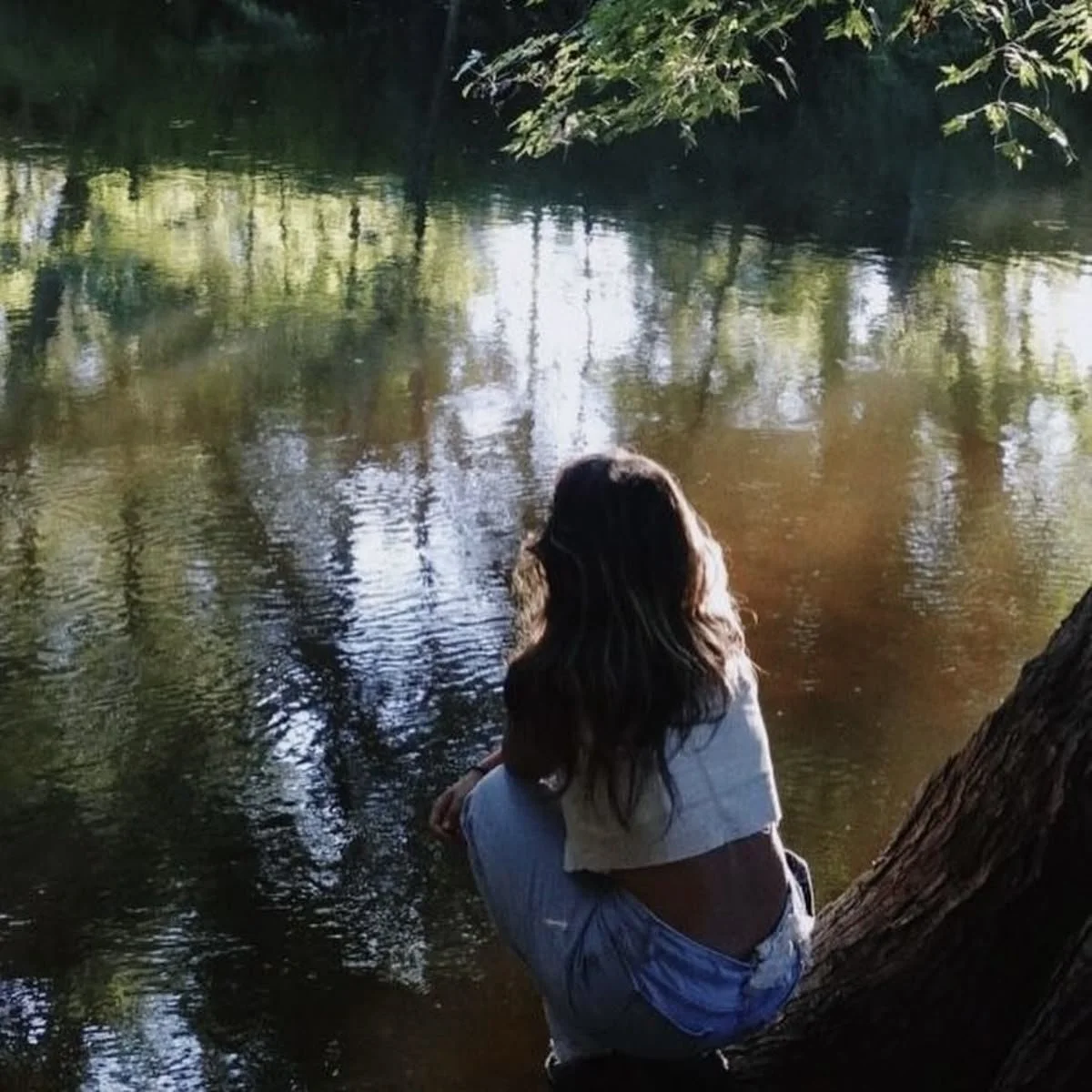
I’ve also been reflecting on our world – this strange, shiny realm of "me, me, me" we scroll through daily. Of curated highlights, income claims, and filtered lives that feel so detached from truth. Where the word “nature” is used to sell things, but actual stillness is nowhere to be found. I’ve seen people claim health and healing while serving an image that contradicts the very essence of wellness.
The loudest messages aren’t always the wisest. Sometimes, protection looks like silence. Like creating instead of consuming. Like choosing depth over clicks. Like nurturing the relationships closest to you, not just the ones online.
I’m learning (still) that being proud of how far you’ve come doesn’t mean broadcasting it. Sometimes, it’s lighting a candle, making a herbal tea, sitting with a trusted friend, or journaling at dawn. There’s value in the simple things. And yet, in today’s world of constant options and overstimulation, we forget. We drift.
I wonder if we’re also too reliant on therapy as a fast fix. True healing isn’t a product or a post. It’s a process. A path. And not all therapists are created equal – something Dr Anita Phillips also touches on when she speaks of the deep human need to be seen, heard, known and loved. I believe that too. But it starts with us seeing ourselves again. Fully. Not the image. The essence. Dr Leaf’s thoughts on this also stayed with me – asking whether we’ve become too dependent on therapy to ‘fix’ us when the power to transform was never meant to be outsourced completely. She reminds us that healing is deeply personal, internal work. It takes daily choices, reflection, and, yes, connection – but it starts from within.
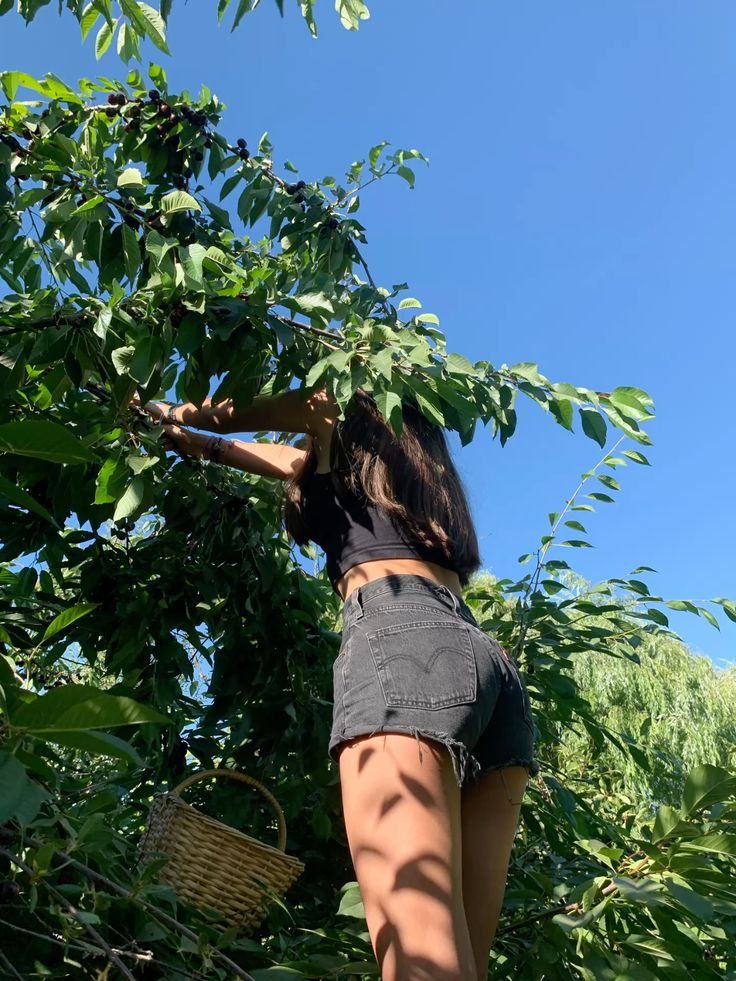
God prunes what He wants to grow
Scripture reminds me that there is a time for everything. A time to tear down and a time to build. A time to be silent and a time to speak. And above all, it says, guard your heart – for everything you do flows from it.
So I’ve been guarding my heart.
But I’ve also been opening it.
To gratitude.
To the way lavender calms my nervous system.
To the way my hands feel after I mix oils and petals and pour candles in silence.
To the way nature reminds me I am part of something wiser. Something cyclical.
This season has brought many tears, much prayer, quiet laughter, aching limbs, pruning back what no longer serves, and noticing the second growth. That precious moment when the branch you thought was dead buds again.
Real Talk Kim said something this morning that struck me: God prunes what He wants to grow. Sometimes it feels like we're being cut back, broken down. But it’s always for the purpose of blooming stronger, fuller. Not for just any dream – but the one you were made for. The one that disrupts everything false. The one that is iconic because it is real.
That’s where I am.
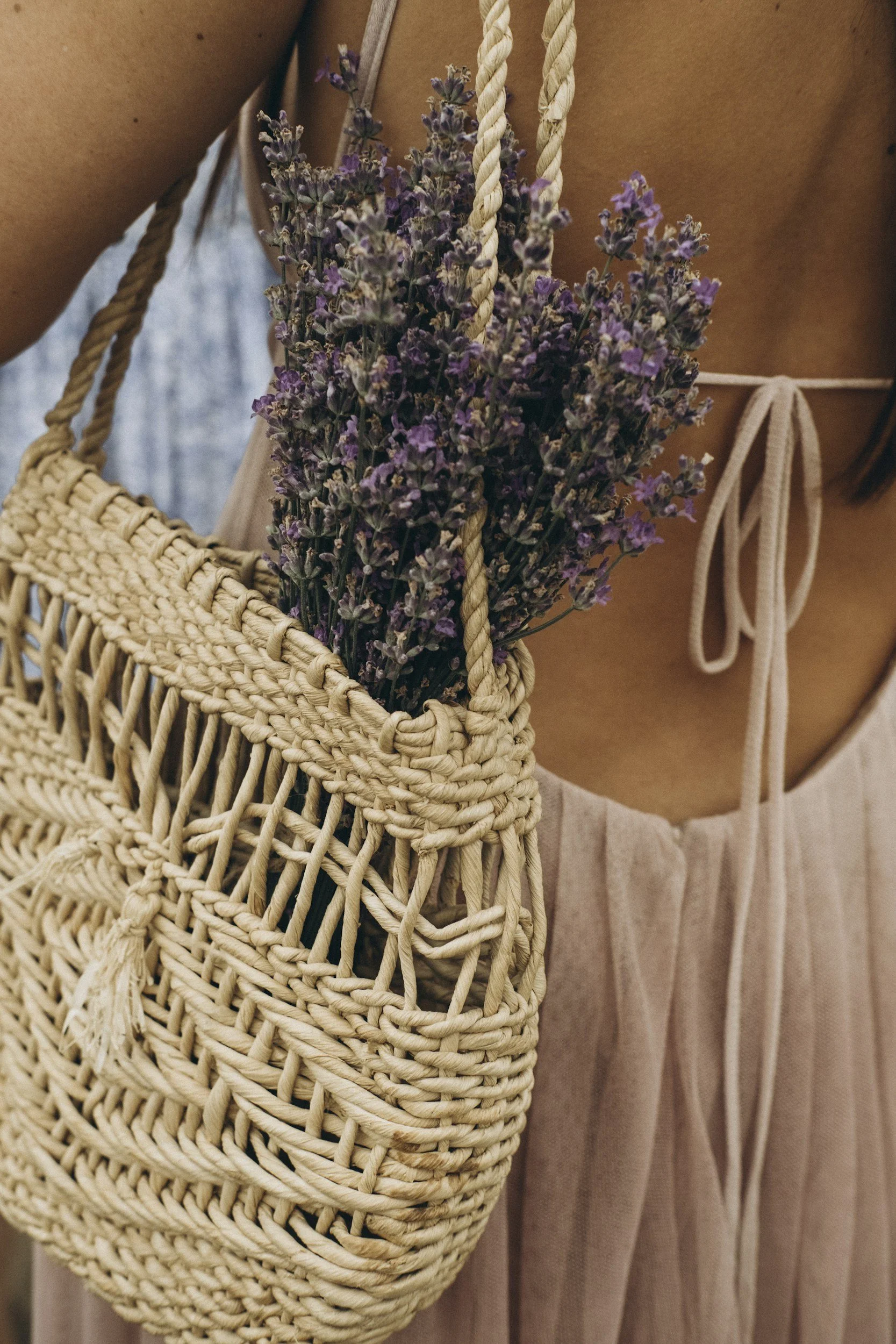
And what’s next? More Wild Remedies. More nature-based workshops. More connection. More space to be real. Continuing our search for a homebase for The Wild Remedy (grateful for the spaces people have offered to run our workshops). We are growing our 'Wild Circle' – a safe, creative, grounded space for women (and men) all ages who want to reset, reconnect, and return to themselves.
If any part of this spoke to you, I’d love to hear from you. Come to a workshop. Try a product. Or simply write to say “this resonated with me.” You’re not alone.
This is the season of returning.
Of remembering.
Of growing quiet roots that bloom in time.
With gratitude and hope,
Founder, The Wild Remedy.org