

The May Garden Note
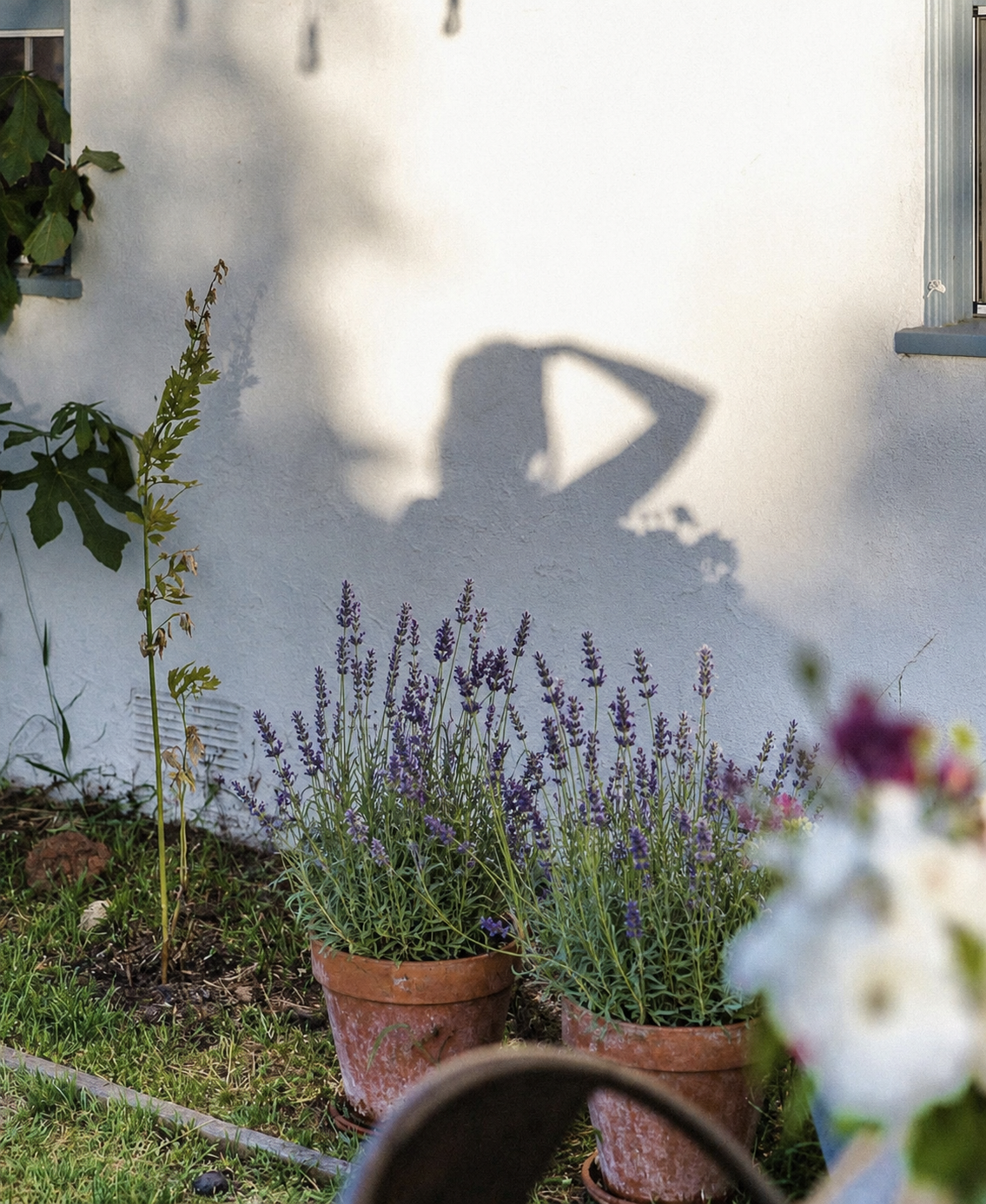
Notes from May by Bee, founder of The Wild Remedy
A small pause before reading
If you have a few quiet minutes while reading this month’s Garden Note, you might like to make a tea, open a window or keep a few herbs nearby while you read.
Rosemary, lavender or mint work beautifully if you already have them growing.
At different points throughout this journal, gently rub the herbs between your fingers and notice the scent.
Breathe in slowly through your nose.
Breathe out gently through your mouth.
No perfect routine.
No pressure to “do it properly”.
Just small reminders to pause while you read.
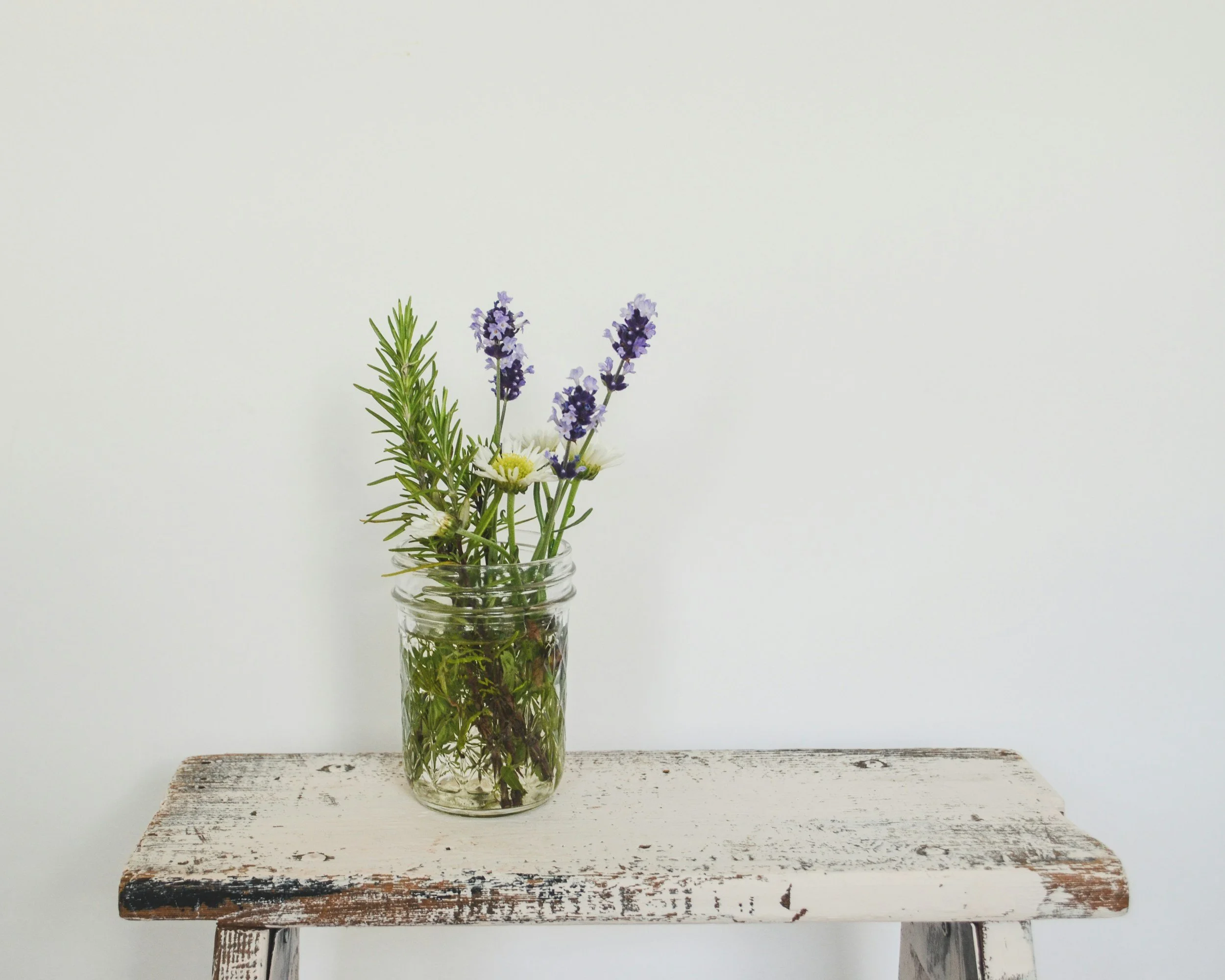
I think many people have forgotten what it feels like to be truly alone with their own thoughts.
Not lonely.
Not isolated.
Just uninterrupted for a little while.
The moment space appears, most of us instinctively fill it.
Podcast
Scrolling
Background television
Music while walking
Emails while drinking coffee
Notifications before our eyes are properly open in the morning
Even rest has become noisy.
And I do not think humans were designed to absorb this much input without reflection.
We take in information all day long — opinions, headlines, pressure, expectations, noise, other people’s lives — but rarely stop long enough to properly process any of it.
Which perhaps explains why so many people feel mentally exhausted despite technically “resting”.
Because distraction is not the same thing as restoration.
Pause for a moment here.
Take one slightly deeper breath than normal.
Notice your shoulders.
Notice your jaw.

Perhaps solitude and quiet are not exactly the same thing.
I heard something recently that really stayed with me.
In a study, people were given a choice:
Sit quietly alone with their thoughts for fifteen minutes…
or give themselves an electric shock.
A surprising number chose the shock.
Which sounds absurd at first. Until you really stop and think about how uncomfortable many people now feel sitting alone without stimulation.
But the more I thought about it, the more I realised the research was not really talking about silence itself.
It was talking about chosen solitude.
And I think there is an important difference.
Because you can technically be in silence while still feeling completely disconnected from yourself.
Likewise, solitude does not always mean sitting cross-legged somewhere perfectly aesthetic and peaceful with absolutely no noise.
Sometimes solitude looks like:
Watering herbs slowly after work
Deadheading flowers in the evening light
Sitting with tea near an open window while rain hits the garden
Walking without headphones
Hanging washing outside
Pruning rosemary
Watching bees move through lavender for ten quiet minutes
Making something slowly with your hands
Perhaps solitude is simply creating enough space for your own thoughts to finally finish speaking.
And honestly, I think many people are craving that more than they realise.
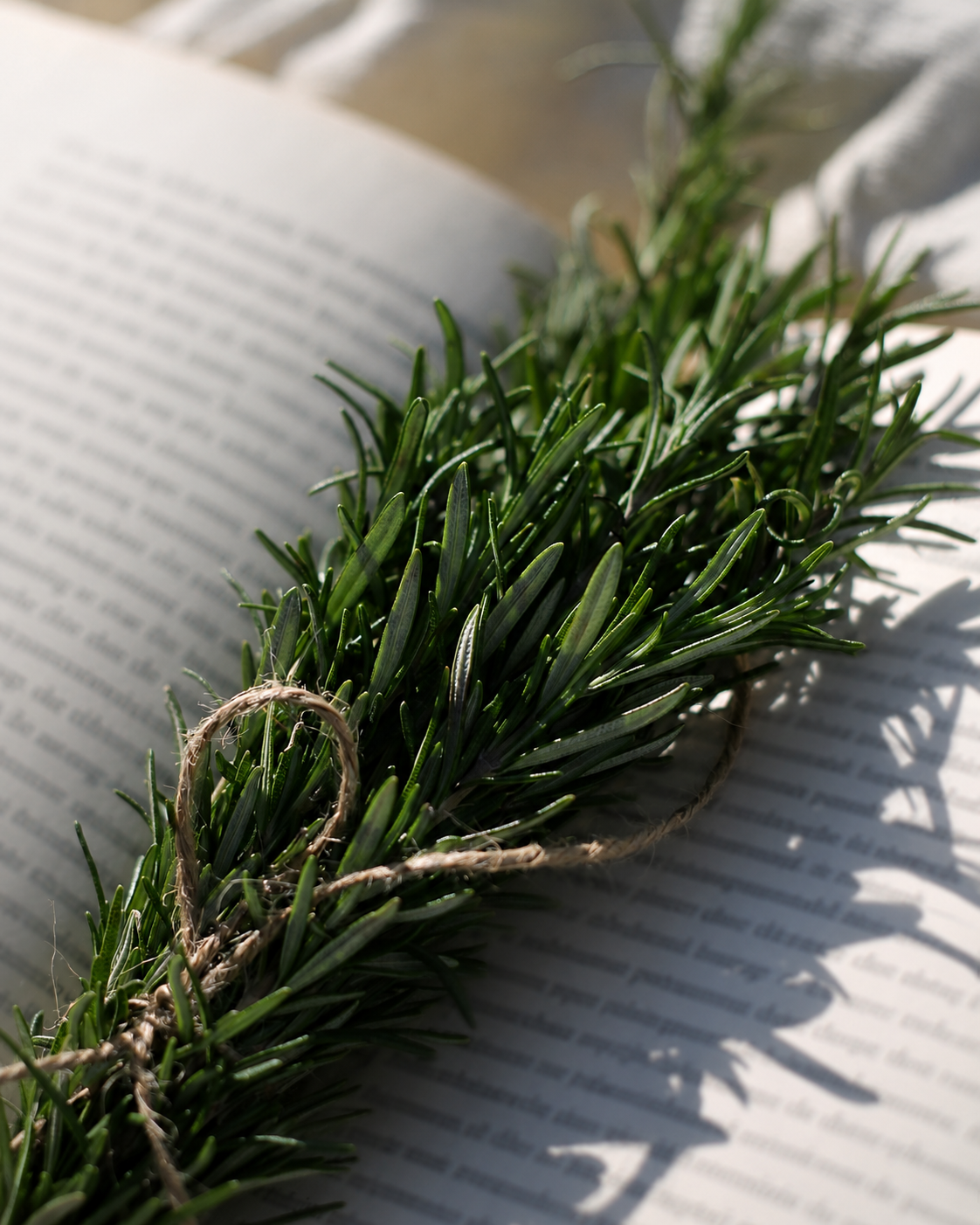
If you have rosemary nearby, gently rub a small sprig between your fingers before continuing.
Rosemary has traditionally been associated with clarity, focus and memory for centuries.
We respond to environment more than we realise.
One thing my herbal medicine studies keep bringing me back to is how deeply we respond to environment.
Not just medicine.
Not just supplements.
Not just diagnosis.
Environment.
Light
Noise
Stress
Food
Rhythm
Nature
People
Pressure
Scent
Conversation
The biomedical world is incredibly important and I will never dismiss the role of medical intervention where it is needed.
But during my own health recovery, I also realised something else:
My body responded profoundly when I intentionally started changing the conditions surrounding it too.
That looked like:
More fresh air
More quiet moments
More time outside
More creating
More breathing properly
More honest rest
More time around people who felt grounding rather than draining
Better boundaries around what — and who — I constantly exposed myself to
Less rushing
Less constant stimulation
Less consuming things that left me mentally inflamed
And slowly, something shifted.
Not overnight.
Not perfectly.
Not through pretending life suddenly became peaceful.
But through creating small daily moments where my nervous system was finally allowed to stop bracing itself all the time.
I also started questioning how much modern life asks us to override ourselves constantly.
To adapt.
Push through.
Keep functioning.
Keep performing.
Keep saying “I’m fine” while quietly carrying stress the body has never really processed.
And perhaps that is part of the problem.
Because eventually things we continually sweep under the rug do not simply disappear.
They often reappear somewhere else.
In exhaustion.
In tension.
In shallow breathing.
In nervous system overwhelm.
In irritability.
In burnout.
In disconnection from ourselves.
I do not think humans were designed to live in a constant state of internal override while pretending everything feels manageable all the time.
And perhaps practices like solitude, nature connection, creativity, rest and slower sensory rituals matter because they give the mind and body somewhere safer to finally process what has been continually pushed aside.
There is growing evidence now supporting what many people instinctively already know — time spent in nature and green spaces genuinely affects stress regulation, mood, attention, cognitive function and even physical recovery.
And honestly, I think nature helps because it interrupts the performance of modern life.
Gardens do not care about productivity culture.
Rosemary still flowers whether your inbox is under control or not.
Mint still grows aggressively regardless of your five-year plan.
Birds still start singing at ridiculous hours completely unaware of algorithms, trends or career anxiety.
There is something deeply comforting about that.
Open the nearest window for a moment if you can.
Even May rain smells grounding somehow.
Connection is everywhere now — but are we connected to ourselves?
There is absolutely a place for retreats, healing spaces, workshops and intentional time away from everyday life.
I think many people genuinely need those experiences.
Sometimes stepping outside of routine is exactly what allows us to see ourselves more clearly again.
But I also think modern wellness culture can accidentally create the idea that peace only exists somewhere else.
At the retreat
On the mountain
Inside the expensive quiet cabin
After buying the right products
After fixing yourself completely
And meanwhile many people are constantly connected to everything except themselves.
Their real home.
Their real nervous system.
Their real thoughts when everything finally goes quiet.
We talk constantly now about connection — online and subscribed communities, healing journeys, wellness spaces, self-development — but I sometimes wonder if people are surrounded by constant interaction while rarely hearing their own inner voice clearly anymore.
And perhaps that is why chosen solitude matters so much.
Not loneliness.
Not isolation.
Not disappearing from the world.
Just enough space to ask yourself:
What actually nourishes me?
What constantly drains me?
What feels real?
What feels performative?
What parts of myself have I silenced just to keep functioning?
I think many people are carrying versions of themselves they outgrew years ago.
And perhaps this is also why certain environments affect us more deeply than we admit.
Being constantly criticised.
Feeling like you have to shrink yourself to keep the peace.
Never feeling fully heard.
Absorbing other people’s fears, projections or insecurities for years.
Eventually the body holds onto those things too.
Heart rate changes
Stress responses heighten
Thought patterns shift
Confidence lowers
You begin questioning yourself before you even speak
There is a reason ancient wisdom, philosophy and even modern neuroscience all place importance on the thoughts we repeatedly live inside.
What we hear consistently matters.
What we tell ourselves matters.
What environments repeatedly expose us to matters.
And perhaps solitude gives us enough distance to finally notice which voices are truly ours — and which ones were handed to us by people who never really saw us clearly to begin with.
Not every opinion deserves permanent residence in your nervous system.
And perhaps this is also why so many people now find it genuinely difficult to put their phones down.
Short-form content is intentionally designed to capture attention, trigger dopamine loops and keep the mind searching for the next piece of stimulation before the previous thought has even fully landed.
Constant input slowly becomes normal.
And eventually we stop noticing when enough is enough.
But perhaps learning to pause for fifteen quiet minutes here and there is also practising something deeper than rest.
Maybe it is relearning how to recognise our own internal “no”.
Because many people were never really taught that clearly in the first place.
Not in unhealthy family systems.
Not around emotionally immature or controlling people.
Not in environments where keeping the peace mattered more than honesty.
Not in relationships where boundaries were constantly pushed or questioned.
Over time, some people become so used to overstimulation, overexplaining, over giving or constantly adapting to other people that silence itself can start to feel unfamiliar.
And perhaps solitude helps rebuild that inner clarity slowly.
The ability to notice:
when something feels wrong
when your body feels tense
when your mind feels overloaded
when your nervous system needs rest
when you no longer want to keep abandoning yourself just to remain accepted somewhere
Not perfectly.
Not all at once.
Just gradually learning to hear yourself again underneath all the noise.
Sometimes solitude is where you finally remember you do not need to keep dimming yourself just to make other people comfortable.
And no, fifteen quiet minutes will not magically solve life.
But perhaps consistency matters more than intensity anyway.
Not everybody can afford expensive escapes or wellness retreats, and many people do not realistically have the time to disappear from normal life for weeks at a time.
But fifteen intentional minutes?
Most of us can begin there.
Not forced.
Not prescribed perfectly.
Not another self-improvement task to fail at.
Just a small daily act of returning to yourself.
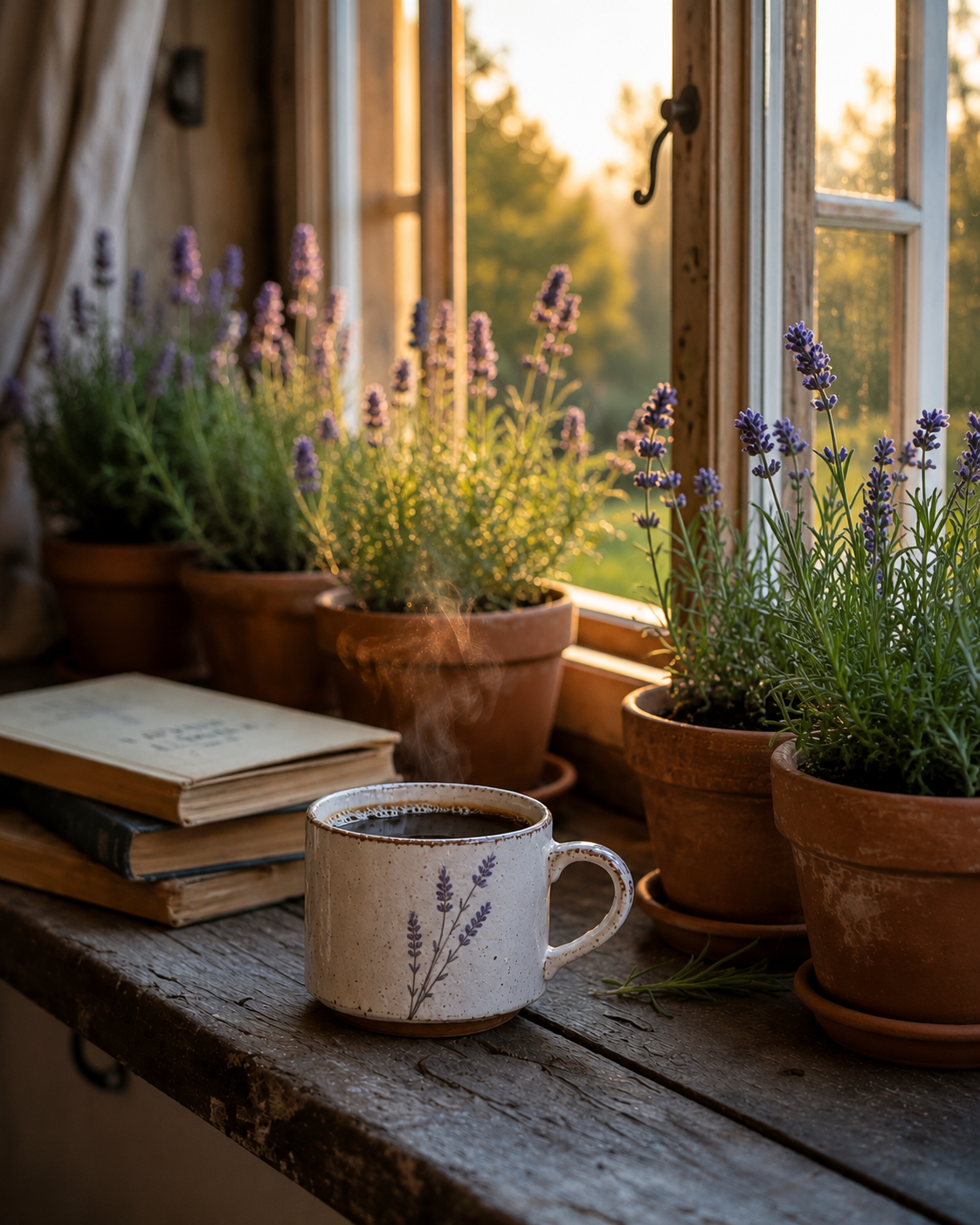
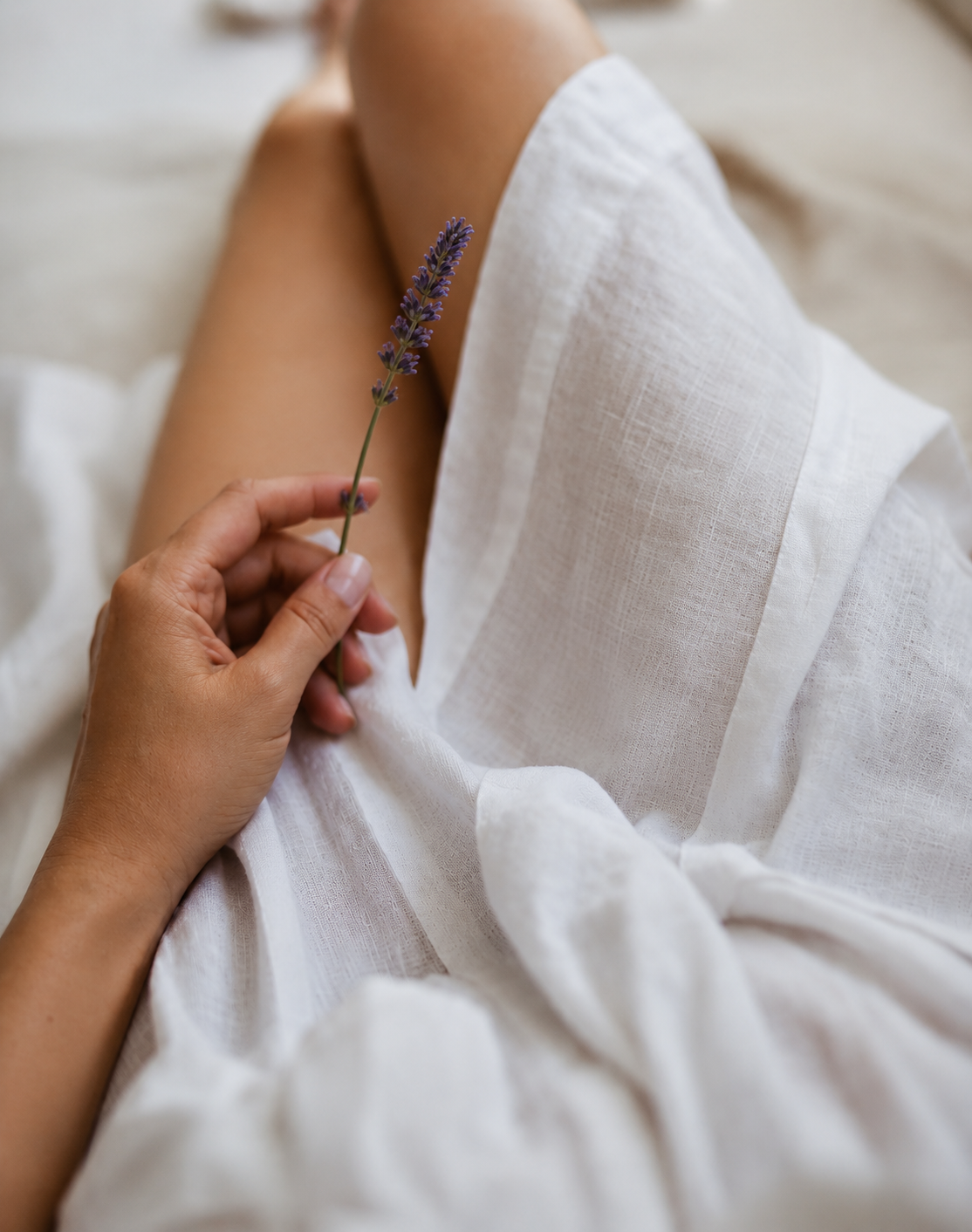
If you have lavender nearby, crush a small stem gently between your fingertips.
Slow your breathing slightly before continuing.
May feels like the perfect month to practise this.
Nature itself is becoming louder, fuller and more alive again.
Not polished.
Not perfect.
Just alive.
This month in the garden:
Rosemary has started flowering again
Mint is attempting to take over entire sections of beds as usual
Lavender is slowly waking back up after winter
Bees are busy despite the unpredictable weather
Foxgloves are beginning to rise quietly at the backs of borders
Everything looks slightly chaotic and healthy at the same time
Nothing in nature seems worried about growing perfectly.
There is probably a lesson in that too.
And whether you have a garden, a balcony, a windowsill or simply a walk to work past a few trees, there are still ways to reconnect with these quieter moments.
A few things worth trying this month.
Sit outside with your tea for ten minutes without your phone
Open windows after rain and notice the shift in the air
Grow rosemary, mint or lavender near a doorway or windowsill
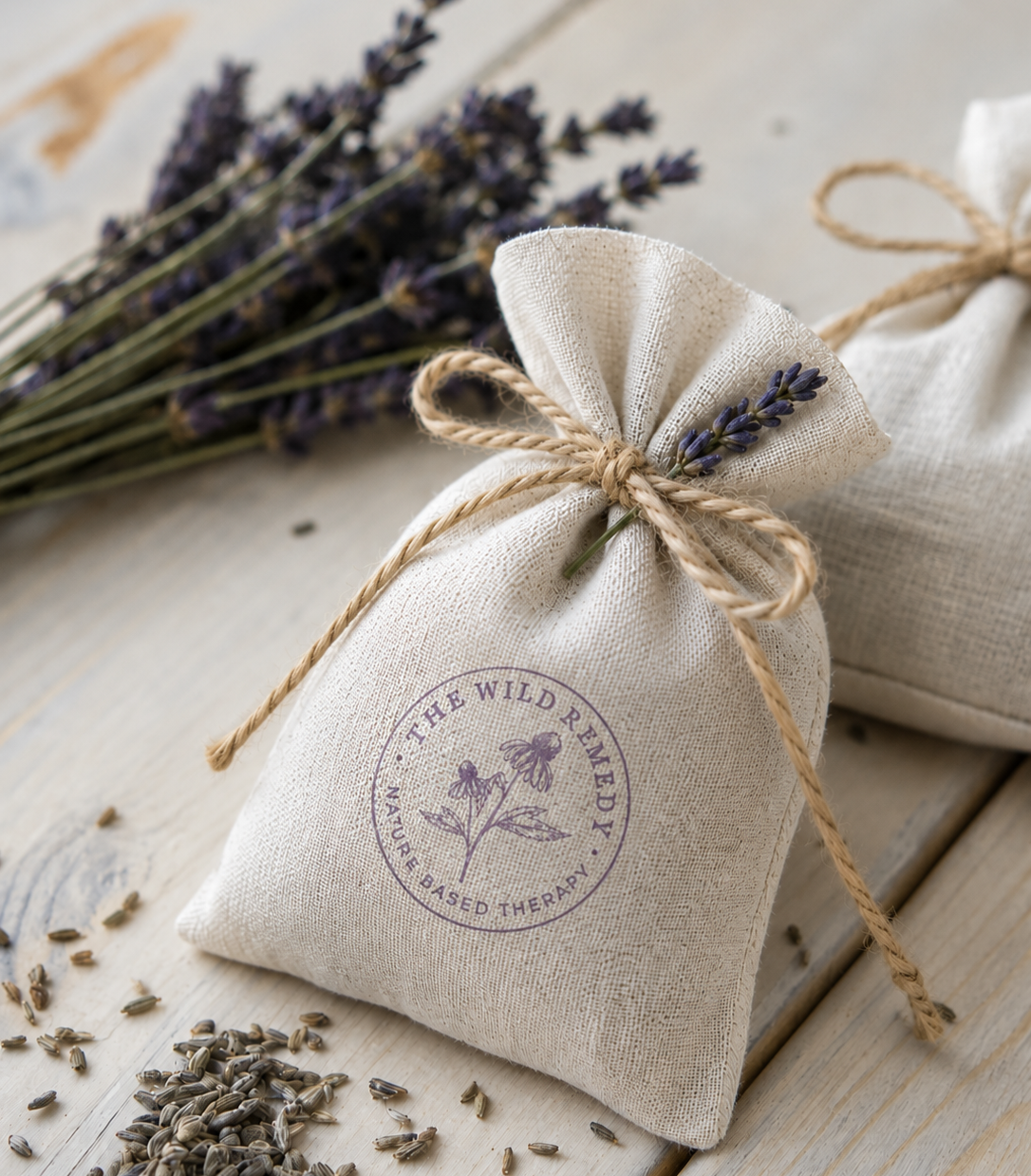
Fill small muslin bags with dried lavender, rosemary or mint and place them beside your bed, near a desk or around the home for a gentler connection to scent and nature throughout the day
Leave sections of grass longer during No Mow May for pollinators
Plant herbs or wildflowers in pots if you only have a balcony or windowsill
Walk without headphones occasionally
Let yourself feel bored for a few minutes instead of instantly reaching for stimulation
Notice what happens in your mind when things go quiet
Spend time around flowers, herbs and green spaces that make you feel calmer rather than more overwhelmed
One thing I have been loving recently is creating simple herb bundles using rosemary, lavender and mint from the garden.
Not because herbs magically solve life……although the older I get, the more suspicious I become that they quietly help far more than we give them credit for. But because scent has a powerful way of grounding us back into the present moment.
Rosemary for clarity
Lavender for calm
Mint for freshness and mental lift
Tied together beside a bed, hung near an open window or left on a kitchen table, they quietly change the atmosphere of a space in a way synthetic fragrance rarely can.
And honestly, there is something very comforting about herbs drying in kitchens again, windows open after rain and homes smelling gently of plants rather than constant artificial fragrance and noise.
The sort of May evenings where the windows stay open a little longer, the air smells faintly of rain and herbs, and for a few minutes the world feels quieter without needing to disappear from it completely.

Perhaps real wellbeing feels less dramatic than we expect.
I think many people are exhausted from trying to optimise themselves constantly.
Maybe real wellbeing is often quieter than that.
Breathing more deeply
Scrolling less
Creating calmer environments
Learning your body again
Spending more time outside
Resting properly
Making things with your hands
Growing herbs
Having honest conversations
Allowing your mind enough space to finally process life instead of endlessly consuming it
At The Wild Remedy, this slower, more grounded approach continues shaping everything we create — from our workshops and Wild Circle community to our botanical collections and calming magnesium butter rituals.
Not because products “fix” people.
But because sensory rituals, natural environments and intentional moments of pause genuinely matter.
The scent of lavender before sleep
Taking a few quiet minutes to massage calming magnesium butter into tired shoulders and legs after long days
Botanical pillow and room sprays helping create calmer evening environments
Pressed flowers drying on workshop tables
People putting their phones down long enough to create something with their hands again
We also now have rosemary, lavender, mint and seasonal herb plants growing through the season for those wanting to bring more of these grounding sensory rituals into their own homes, balconies or gardens contact us if you would like to order yours.
Because sometimes wellbeing begins with smaller things than we expect.
A plant on a windowsill.
Fresh herbs drying in the kitchen.
Opening the back door for air.
Learning to breathe more deeply again.
There is something deeply human about all of it.
And perhaps this May, the most useful thing many of us can do is stop filling every empty space immediately.
Just long enough to hear ourselves again.
Bee 🐝
References & Further Reading
Timothy D. Wilson et al. — Just Think: The Challenges of the Disengaged Mind (University of Virginia & Harvard research exploring solitude, internal thought processing and discomfort with uninterrupted thinking)
Research surrounding green spaces, attention restoration theory and nervous system regulation continues to grow through environmental psychology and health sciences research, including work from the University of Exeter on nature and wellbeing
The Wild Remedy encourages readers to seek personalised support from qualified healthcare professionals where appropriate and recognises the value of both biomedical and holistic approaches to wellbeing