

October Notes: “Grounding, Gathering and Growing as a Herbalist”

October in England always feels like a quiet exhale. The light softens, the mornings are misted, and the hedgerows glow with berries. Autumn began here on the 23rd of September, but in October we really feel it settle — the damp scent of earth, the crunch of leaves underfoot, and that ancient tug to slow down. Nature is quietly teaching us that there is strength and dignity in letting go, in drawing energy back into roots to prepare for another cycle.
I’ve been sitting with that message in my own life. Over the past months I have been sharing with you how the garden has been helping my recovery journey, and how I’ve been guided to deepen my knowledge. This autumn marks the start of my formal study in Herbal Medicine — not a trendy pivot, but a natural step on a long path of listening to plants and my body. It feels like a homecoming, but also like opening a door to a much larger, older room.
As I step into this field and bring you along with me, I’m also beginning to explore where my own focus might eventually lie. Some of my ideas are inspired by personal experience, by my work with The Wild Remedy community, and by a natural curiosity about how we can help others improve and enhance health in both body and mind. But this is not something I want to rush or predetermine. Just as the garden shows us which seeds thrive where, my specialism will emerge as I learn, observe and grow alongside my studies.
Learning From the Past: Why Herbal Medicine Matters
When you study herbal medicine you quickly see it’s not just about plants; it’s about people, stories, and power. For thousands of years, communities across the world listened to plants, learnt from them and passed that wisdom on. Modern drugs exist because of that knowledge: aspirin came from willow and meadowsweet (Spiraea), yet the synthetic version erodes the stomach lining where the plant actually heals it.
Much of the herbal knowledge we use in Europe today arrived through colonial trade routes and the appropriation of indigenous knowledge — often at great cost to the people who first cultivated, used and shared these plants. Herbs like echinacea, black cohosh, turmeric, cinnamon and cloves are now household names, yet their histories are bound up with displacement, extraction and loss as well as healing. To practise herbalism with integrity is to remember and honour those origins.
Even our oldest texts point to this truth. In Genesis 1:29 it’s written, “I have given you every herb bearing seed…” — a reminder that long before laboratories and supply chains, plants were our original nourishment and medicine. To me this isn’t about nostalgia or being ‘anti-science’; it’s about recognising continuity — that these gifts are still here for us to learn from and steward wisely.
This also makes me think about the modern wellness market. We’re surrounded by claims of “clean” and “pure” supplements, many of which are actually lab-synthesised versions of plant compounds or isolated nutrients. There’s nothing inherently wrong with supplementation — in fact, they can be a helpful top-up to a healthy, balanced diet — but we do need to read labels and research carefully. Just as a chemical version of a plant compound behaves differently from the whole plant, a synthetic nutrient may not act in the body as its natural counterpart does. Integrity matters here too: choose supplements that are what they claim to be and that align with your values.
And it isn’t only in our medicine cabinets. The very clothes we wear often carry hidden costs. Most high-street and designer labels alike rely heavily on synthetic fibres — plastics spun into fabric that shed micro-particles into water, release hormone-disrupting chemicals in production, and keep garment workers in unsafe conditions. Fast fashion’s impact on the planet and on human dignity is enormous, yet often invisible under a glossy brand story. This doesn’t mean we must live in sackcloth, but it does invite us to slow down, to buy less but better, to repair and re-wear, to choose natural fibres where possible, and to honour the hands and the earth behind what we put on our bodies. Another form of grounding, really.

Across the Atlantic, five medical schools once taught plant-based medicine before being closed under the influence of Rockefeller and Carnegie money. In Europe, women healers, indigenous people and their intellectual property were silenced or appropriated. Yet the plants are still here, waiting for us to learn how to use them with respect.
Hippocrates, called the Father of Medicine, wrote about balance between body, soul and environment. Muslim, Jewish and African scholars preserved and expanded his texts while Europe was in its “dark ages.” Hildegard of Bingen, an abbess in medieval Germany, wrote of health as a mosaic of needs and plants as allies. Culpeper, a 17th-century radical, printed his herbal in plain English to wrest knowledge from elite guilds and give it back to women and common folk. These aren’t quaint anecdotes — they are reminders that medicine and knowledge are supposed to be shared.
This is the lineage I’m stepping into: modern medical herbalists trained in anatomy, pharmacology and clinical practice, but also grounded in traditional and indigenous ways of knowing, with an excellent safety record. In a world of quick fixes and filters, this is not about selling an image of nature connection. It’s about living it, slowly, honestly, and with integrity.
October in the Garden: Gentle Work, Deep Rest
October is a month for both gratitude and preparation. The soil is still warm enough for sowing:
Broad beans and hardy peas for an early spring crop.
Spring onions and salad leaves in containers.
Calendula and nasturtiums for edible colour next year.
Plant out garlic or overwintering onion sets.
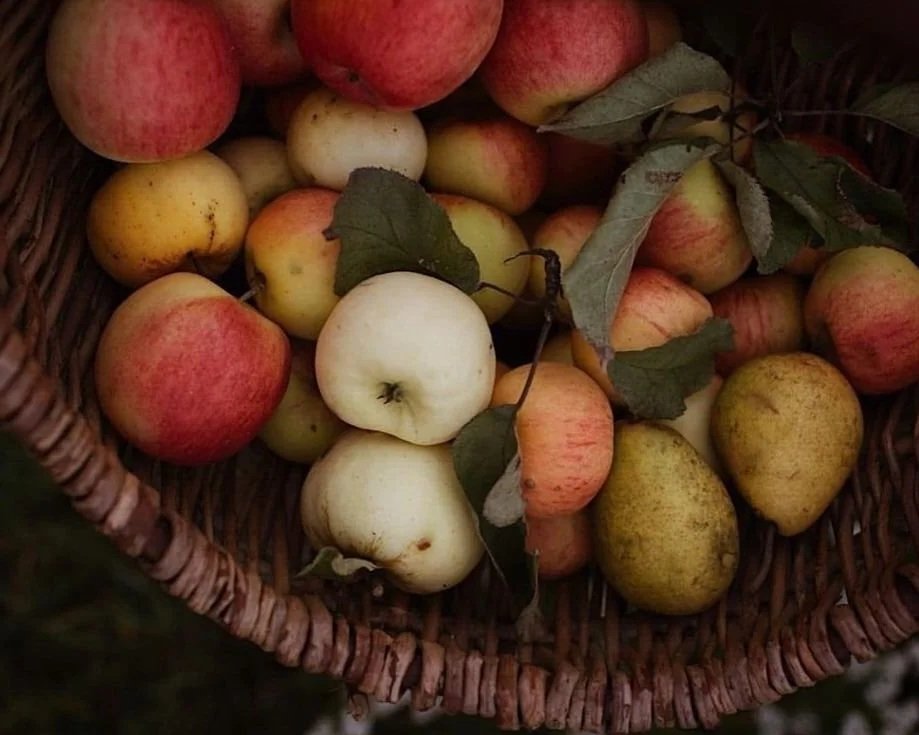
October also brings Apple Day, traditionally held on 21 October — a UK celebration started in 1990 by the charity Common Ground to honour the diversity of apples, support local orchards, and remind us of the cultural and ecological role orchards play. It’s a lovely moment to taste heritage varieties, share apple recipes, or simply celebrate the fruit that has accompanied us in gardens and kitchens for centuries.
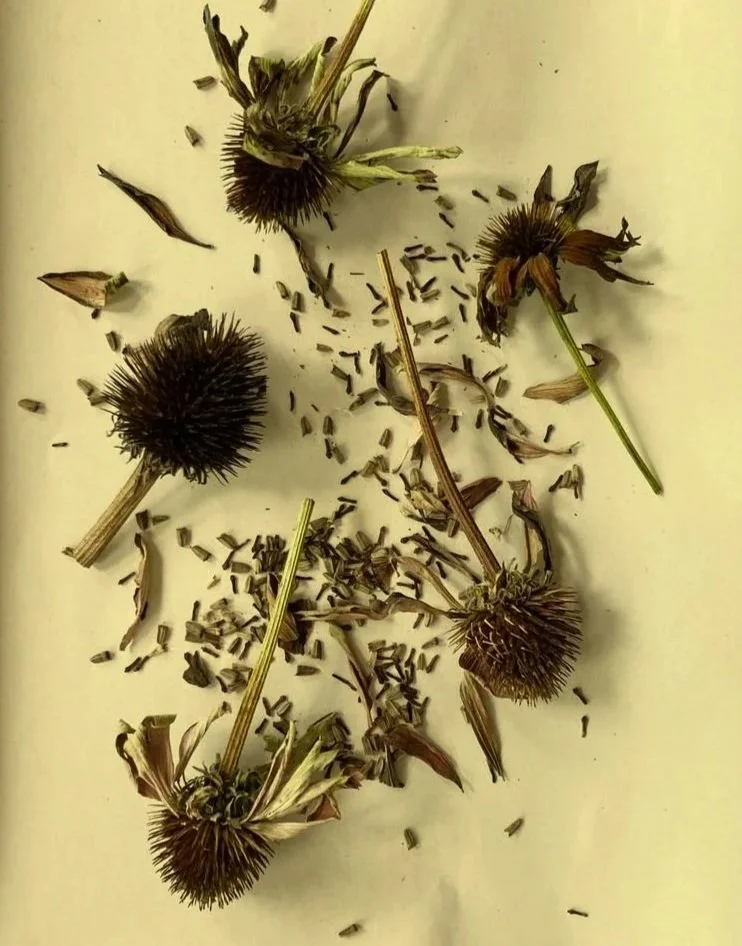
Collect seed heads from cosmos, echinacea, sunflowers (even if they look a bit dreary, they hold next year’s magic) and from lavender. Begin taking hardwood cuttings of rosemary, sage and hydrangeas. Divide clumps of herbs or perennials. Clear away spent crops but leave some seed heads and piles of leaves in corners — insects, hedgehogs and other small creatures need undisturbed places to shelter and hibernate as the temperature drops. A little “untidiness” is actually a generous act of care for the unseen lives in your garden.
And while you’re pottering, notice the sensory details: the smell of damp earth, the taste of a last tomato, the sound of migrating geese. This is the season to slow down, to pay attention.
Grounding and Reconnection

Autumn invites a different kind of grounding. The ground is cool and damp; the woods smell of leaf mould; fungi push up through moss. Research shows that even a short daily connection with nature — walking in a park, touching soil, noticing daylight — reduces inflammation, balances immune response, improves sleep and calms the nervous system.
If you don’t have your own garden, this is a wonderful time to explore local woodland paths, spend a few minutes under a tree on your lunch break, or take a mindful stroll after work. You can also reach out to The Wild Remedy if you’d like to join an organised nature or mindfulness group walk, book a workshop, or work alongside us to create a therapeutic space in your own home or garden. We’d love to support you.
Hidden Work, Hidden Worlds
October is a month of quiet industry. While the trees shed their leaves, the real work happens out of sight: roots thickening, fungi extending their threads, hedgehogs tucking into piles of leaves we’ve left untouched. By resisting the urge to tidy every corner, we become stewards rather than managers, giving insects, small mammals and soil life the shelter they need to make it through winter. This “season of stewardship” is a small but powerful act of guardianship — a reminder that tending the land is as much about what we don’t do as what we do.
Beginning my herbal medicine studies this autumn feels like that too. It’s a time of unseen work: gathering, reading, absorbing, letting ideas take root. I don’t yet know exactly which area of practice will become my specialism; some possibilities come from my own health journey, some from helping others, some from a curiosity that has always been there. Like a seed in the dark, it will declare itself in time. For now, I’m learning to trust the pause between, to sit in this fertile in-between space where potential can grow without being forced.
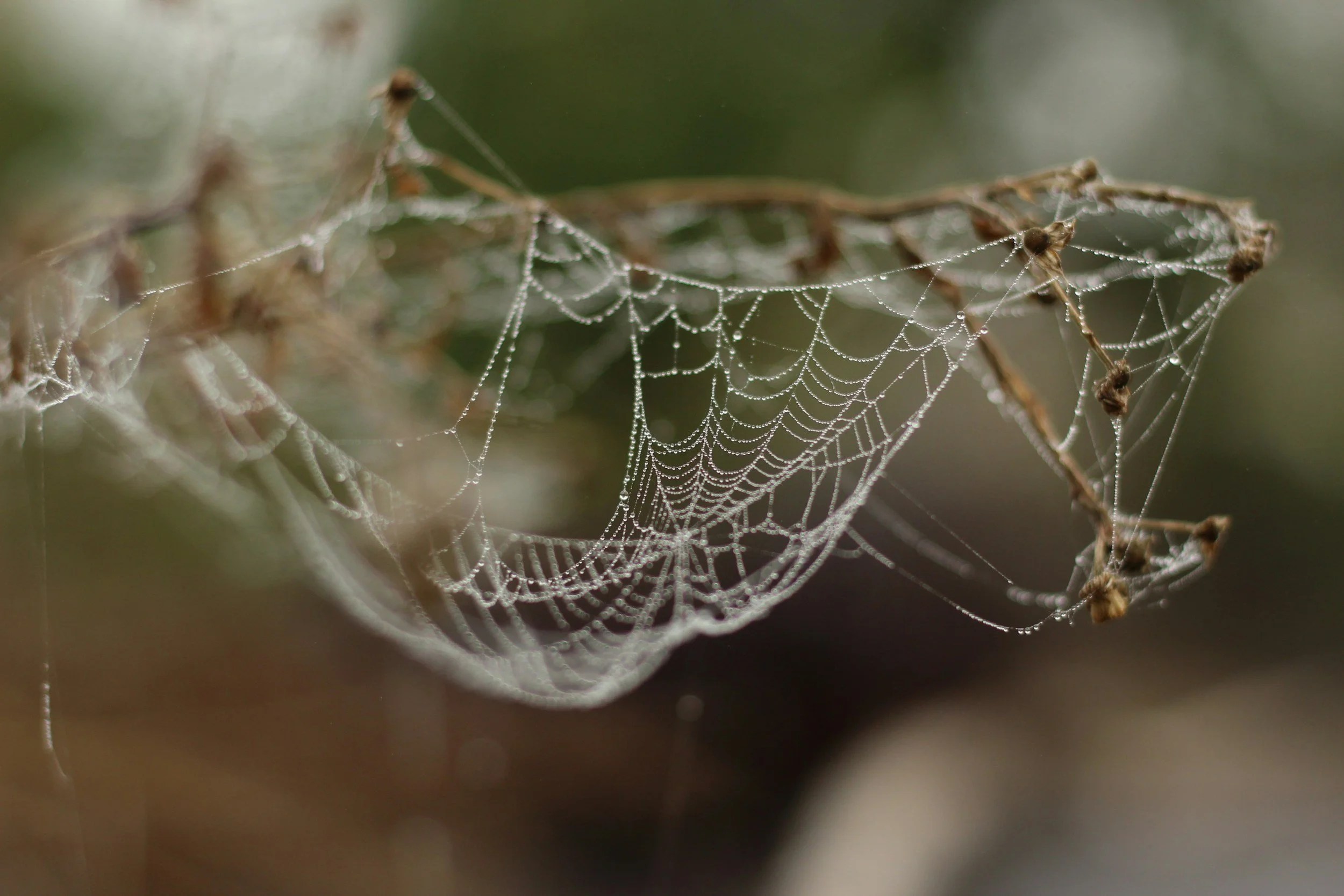
Everything in October speaks of connection. The underground mycelial threads, the migratory paths of birds, the way one seed head feeds a whole winter’s worth of finches — they’re all part of a larger web. The Wild Remedy is part of that too. Through our workshops, our skincare, our plantings and our Wild Circle community, we’re not just offering products or services; we’re weaving a network of people re-learning how to live with the earth, not just on it.
So as you move through your own October, notice the hidden worlds around you. Leave a drift of leaves, watch the fungi appear, trace the flight of birds overhead. Allow yourself to be in the pause between seasons, between endings and beginnings. Steward your space, but also steward your energy, your learning, your healing. That’s where the next season’s strength will come from.
An Invitation
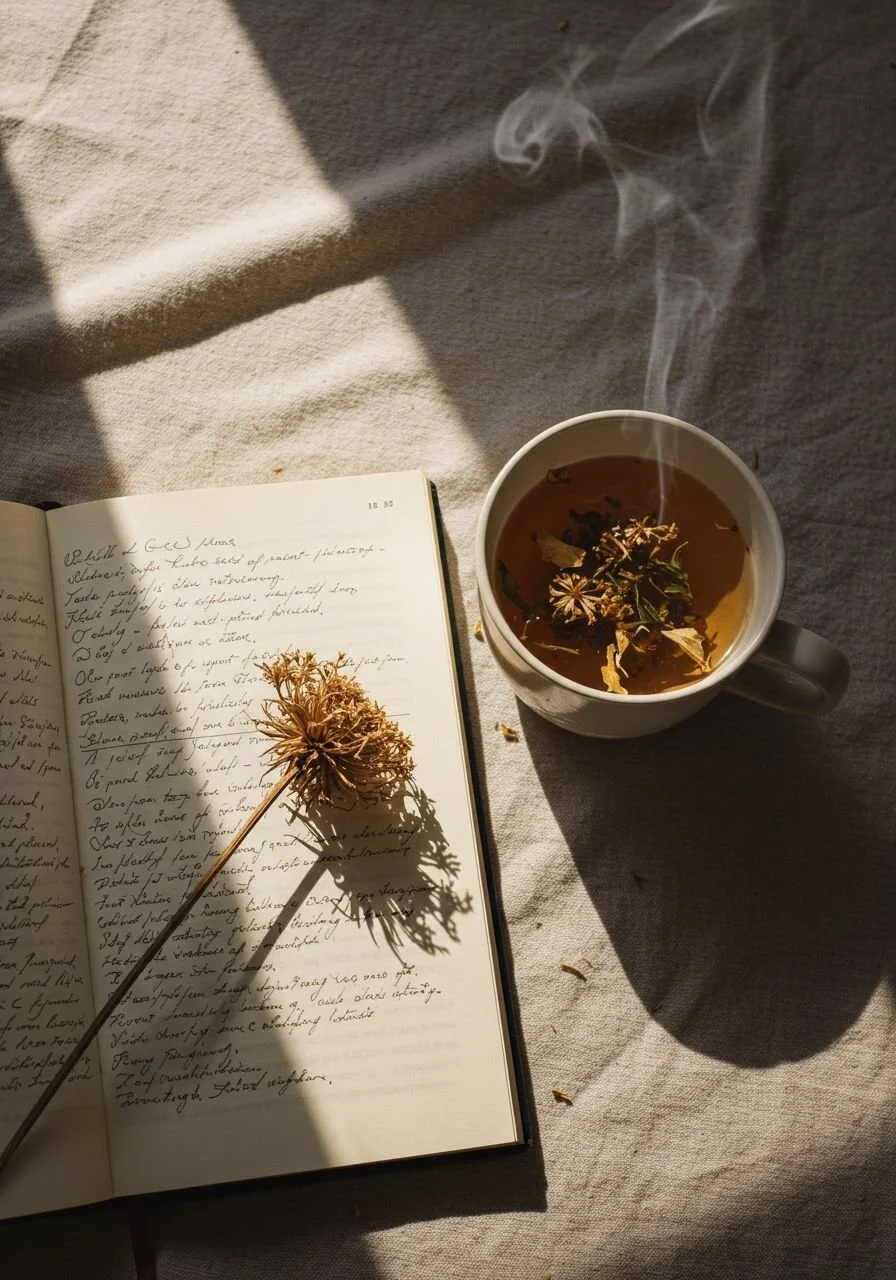
This is why I’m studying herbal medicine and why I share these notes. It’s about bringing people back to nature, demystifying the plants that heal, and creating real spaces — gardens, balconies, workshops and products— where you can breathe, learn and feel whole. Our Wild Circle is where I’ll be sharing more about this journey, my reading list, and upcoming workshops. Sign up to walk this path with me, or get in touch if you’d like us to help you create your own therapeutic garden space or choose plants for your home.
And of course, our natural skincare and botanical creations — made with many of these same plants — are available to order at info@thewildremedy.org.
“The art of healing comes from nature, not from the physician. Therefore the physician must start from nature, with an open mind.” — Paracelsus (1493–1541)
October invites us into the quiet work of the season. Instead of rushing or stripping things back, we can pause, notice and make small sanctuaries for ourselves as well as for wildlife. Take a slow walk in a local wood, let ideas settle like leaves, and allow your own roots to deepen. If you’d like more guidance and inspiration as the days grow cooler and darker, join our Wild Circle — a community space where we share seasonal recipes, herbal gems, mindful practices and the natural products I create to nourish skin and body and mind through the colder months. Together we can tend soil, self and spirit and grow a more rooted, joyful life…..
With autumn’s quiet strength 🍂,
Founder, The Wild Remedy