

January 2026 Journal
By the Founder of The Wild Remedy
It’s been a minute.
Not because there was nothing to say — but because I didn’t want to write just to follow the noise. January is loud. Full of declarations, reinventions, and pressure to emerge as something “new”. And if I’m honest, the New Year, New Me narrative has never sat comfortably with me.
I’ve taken my time with this journal. Waiting. Reading. Studying. Listening. Letting things land.
Because nature doesn’t rush — and neither does truth.
When does a year really begin?
Over recent months, I’ve been exploring something that kept gently tugging at me: our true beginnings. Not just personally, but collectively. Where did our sense of time come from? And when did we lose rhythm?
Historically, across many ancient cultures, the new year did not begin in January. It began in spring — most often around March or April — when the earth awakens, seeds break open, and life visibly returns. In agrarian societies, this wasn’t symbolic — it was practical, observable, embodied.
Even within biblical tradition, time was organised around cycles of nature and the moon, not abstract dates. In Leviticus 23, for example, the calendar of appointed times is rooted in seasons, harvests, rest, and renewal — not productivity targets or resolutions.
April was widely recognised as the beginning of the year well into medieval Europe. When the calendar later changed and January 1st was imposed as the official start, those who continued to celebrate the new year in April were mocked — labelled fools.
Hence, April Fools’ Day.
What fascinates me is not just what changed — but why.
The calendar, money, and lost rhythm
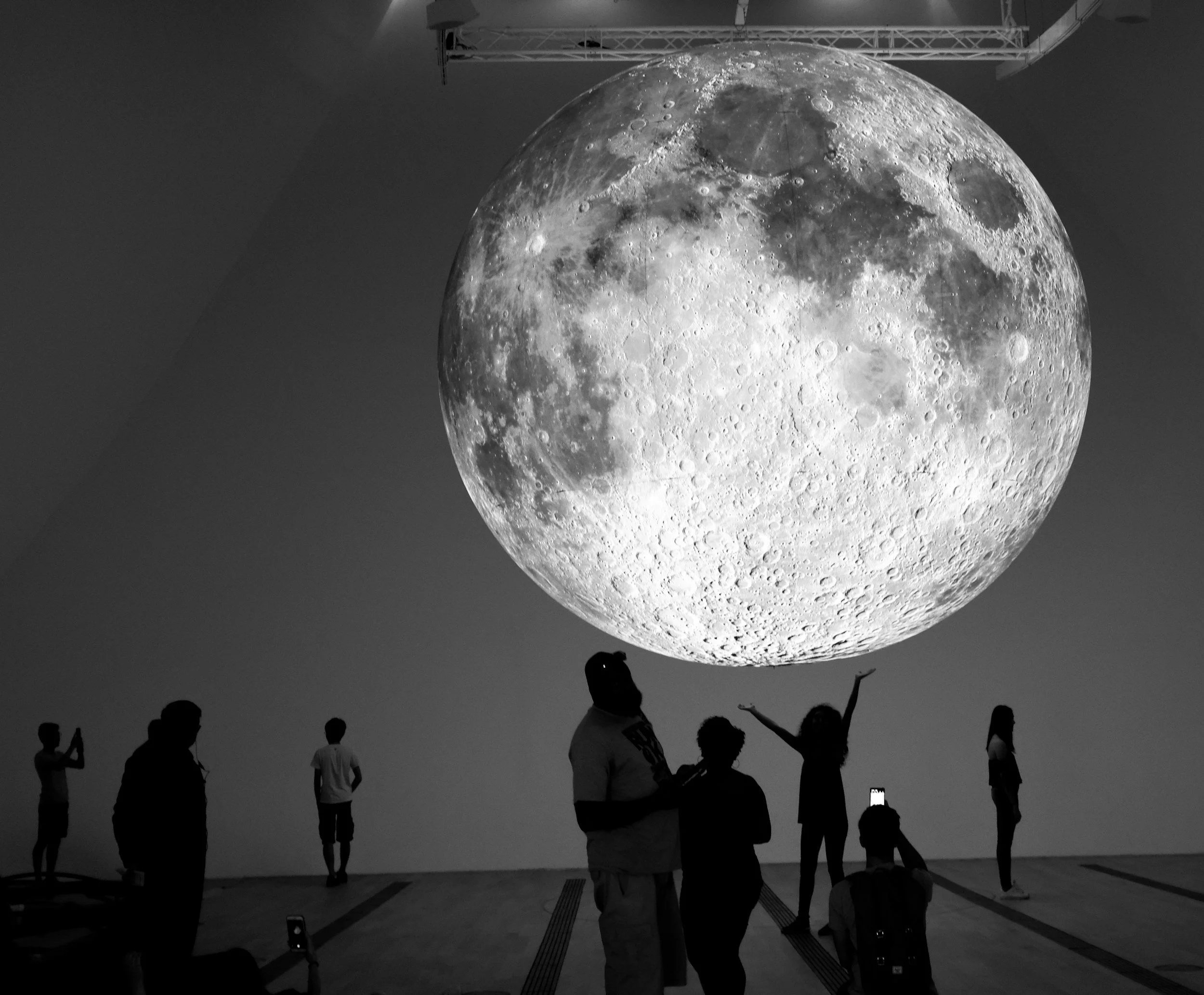
Our modern 12-month calendar has Roman origins. July and August were named after Julius Caesar and Augustus, rulers who quite literally inscribed themselves into time. September through December still carry their original meanings — seven, eight, nine, ten — despite now being the 9th to 12th months. Something doesn’t quite add up.
Earlier calendars followed lunar cycles, with months named after trees, moons, and seasonal events. Time moved with nature, not against it.
Even the word calendar itself comes from the Latin kalendae — linked not to timekeeping, but to account books and debt.
That detail stopped me in my tracks.
Somewhere along the way, rhythm was replaced with regulation. Cycles were flattened into systems. And we — bodies made of cycles — were expected to keep up.
Not following the crowd
This reflection has also tied into something else I’ve been quietly reading about: crowd psychology.
In the late 19th century, social theorist Gustave Le Bon wrote The Crowd: A Study of the Popular Mind, exploring how individuals behave differently when absorbed into a collective. His work showed how crowds can override discernment, amplify emotion, and reward conformity — not because something is right, but because it feels safer to belong.
Modern studies in crowd dynamics echo this: humans are deeply wired to avoid social isolation. We want to stay inside the circle of “acceptable” opinions. Sometimes that’s harmless. Sometimes it shapes what we buy, believe, support, or reject — without ever pausing to ask why.
This isn’t really about psychology for me. It’s about awareness.
Why does something appeal to you?
What does it give you — comfort, approval, certainty, identity?
Does it nourish you… or simply distract you?
Sometimes the pull isn’t truth — it’s relief.
Rethinking how we’ve been taught to think
Last year, I wrote about Sigmund Freud and how deeply his framework has influenced modern psychology — particularly the idea that we are broken, driven by lack, and forever shaped by trauma unless “fixed”.
Therapist Marisa Peer speaks beautifully (and challengingly) about this. She questions why we so readily accept a model that reinforces deficiency, rather than reminding people of their innate worth, intelligence, and capacity to heal.
That perspective has stayed with me.
What if not everything needs analysing?
What if not every wound needs reopening?
What if some things are released not by understanding why, but by realising they were never ours to carry?
You don’t have to keep revisiting what hurt you to prove it mattered.
You don’t have to shrink yourself because someone else couldn’t love well.
What my herbal medicine studies are teaching me
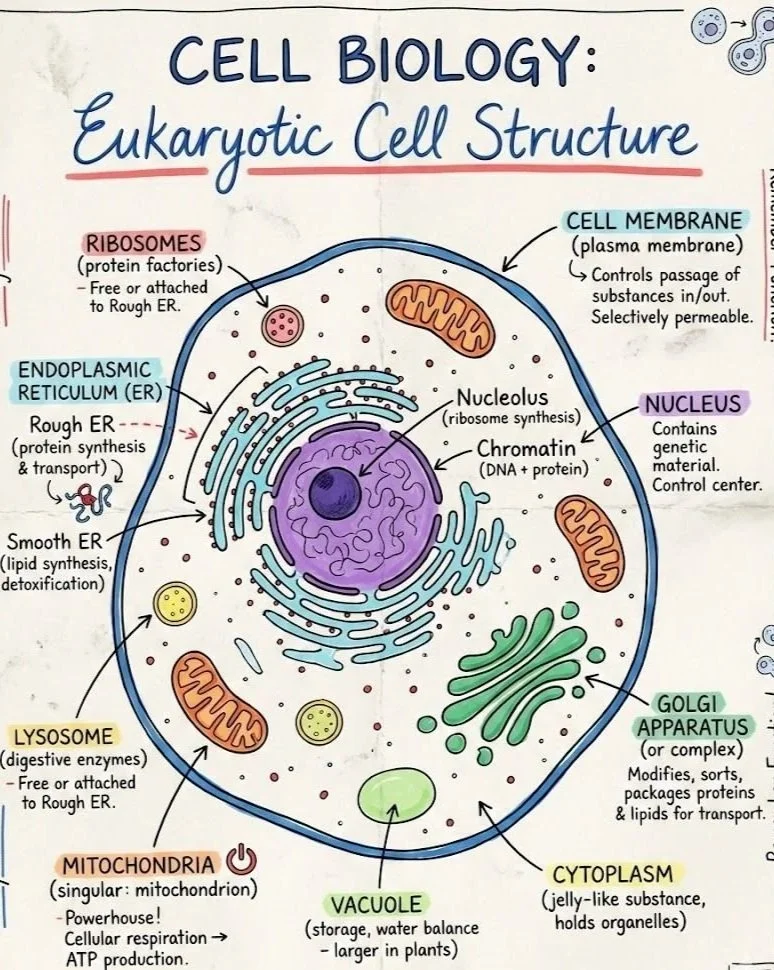
Alongside all of this, I’ve been deep in my herbal medicine studies — particularly cellular health. And honestly? Having studied human physiology and anatomy, exercise science and nutrition- this has equipped me with the perfect building blocks. The more I learn, the more reverent I become.
Herbal medicine, at its core, is not separate from cellular science — it works with it. Plants don’t override the body; they communicate with it. Their constituents interact with receptors, membranes, enzymes, and signalling pathways at a cellular level, gently supporting the body’s own intelligence. This is why herbal medicine is rarely about forcing outcomes and more about restoring balance — supporting detoxification, energy production, inflammation regulation, and cellular repair in ways that honour the body’s innate design. It’s slow, intentional, and deeply respectful — much like nature itself.
Every living cell — the smallest unit of life — is unimaginably intricate. Transport systems, communication pathways, waste removal, energy production. Factories within factories. Balance upon balance.
The mitochondria, often called the “powerhouses” of the cell, carry their own DNA. Genetic research shows that mitochondrial DNA across global populations points back to a common ancestral maternal line — sometimes referred to as “Mitochondrial Eve”. Not as a theological statement, but as a genetic one: humanity shares a deep biological connection.
I’ll be honest — I don’t subscribe to evolutionary theory as it’s commonly taught. But I do find it quietly extraordinary that science keeps circling back to design, order, and interconnection.
Homeostasis — the body’s ability to maintain balance — isn’t accidental.
There is provision built into us.
There is wisdom in how we’re made.
And this matters — because caring for the body isn’t about perfection or blame. It’s about respect. Especially when we acknowledge that not all bodies heal in the same way, on the same timeline, or at all. Gentleness matters here.
Nature has always been here
Nature doesn’t follow trends.
Plants don’t rush.
The moon doesn’t apologise for its phases.
At The Wild Remedy, this is what we keep returning to — not because it’s nostalgic, but because it’s grounding.
Whether through our natural self-care products, our workshops, our walks or the Wild Circle community, the intention is the same: to bring people back into rhythm. With nature. With their bodies. With themselves.
The Wild Circle isn’t a book club — it’s a place to share, create, learn, and belong without pressure. A quieter circle. A truer one.
Gratitude, always
I want to say thank you.
To everyone choosing natural, handcrafted alternatives in a world obsessed with quick fixes and polished promises.
To those who ask questions. Who are curious. Who want to understand plants, bodies, healing — rather than outsourcing responsibility.
To those who include me in their learning, without even realising they’re shaping mine.
You are the reason this journey feels alive.
And to anyone reading this who’s been healing, letting go, or quietly rebuilding — you don’t need a new year to begin again.
Nature has already made space for you.
Watch this space 🌿
Bee