

February Notes – Matters of the Heart
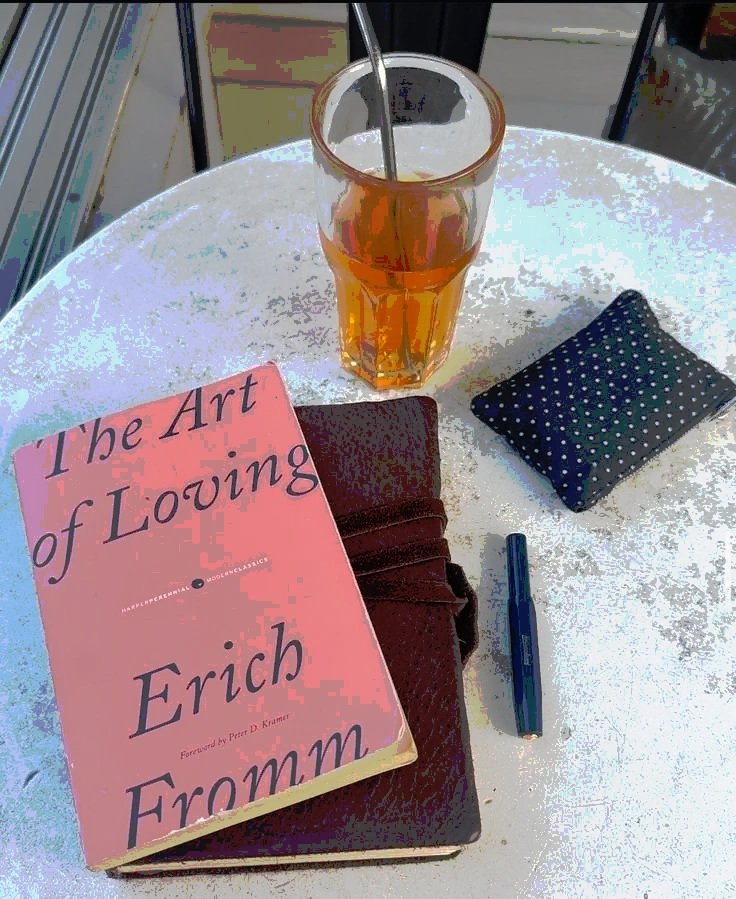
February has a particular way of drawing our attention inward. It’s the month that places the heart front and centre — often loudly, often superficially — yet for many of us it becomes one of the most quietly reflective points in the year.
Once the urgency of January settles, February asks gentler, deeper questions.
Not What are you becoming?
But What are you carrying?
What still matters? What still moves you? What still hopes — and what is ready to be laid down?
Perhaps that’s why the heart has always belonged here.
Long before Valentine’s Day became what it is today, this season carried themes of devotion, loyalty, courage, and enduring love. The heart wasn’t chosen as a symbol by accident. Across cultures and centuries, it has been understood as something far more than sentiment.
So this month felt like the right moment to sit with it properly.
The heart: more than a pump

We’re often taught to think of the heart as a muscular pump — efficient, functional, mechanical. Necessary, but not especially mysterious.
Yet both ancient wisdom and modern science tell a far richer story.
The heart is the first organ to form in the human embryo, beginning to beat before the brain is fully developed. It generates its own electrical field — far stronger than that of the brain — measurable beyond the body itself. It communicates continuously with the nervous system, immune system, endocrine system, and gut. It doesn’t simply receive information; it sends it.
And then there is the helical heart.
Did you know??? Rather than squeezing like a basic pump, the heart’s muscle fibres are arranged in a spiral. With each beat, it twists and untwists, creating a wringing motion that moves blood efficiently through the body. This spiral architecture mirrors patterns found again and again in nature — shells, climbing plants, weather systems, galaxies.
The heart doesn’t just keep us alive.
It moves life with rhythm.
Learning this through my herbal medicine studies quietly reframed everything for me. We are not linear beings. We are patterned, cyclical, responsive. Built for connection.
There’s a phrase we hear often — “follow your heart” — and while it’s frequently used in shallow or romanticised ways, its roots are far older and more grounded than we might realise. In ancient traditions, the heart was not seen as impulsive or emotional in the way we often frame it today, but as a centre of wisdom, direction, and discernment. In biblical language, the heart is the seat of understanding — not something to be ignored or overridden, but something to be guarded, because “from it flows life”.
The idea of finding one’s true north carries a similar lineage. Long before modern navigation tools, people oriented themselves by the North Star — a fixed point in the sky that didn’t shift with storms or seasons. To “know your north” wasn’t about speed or certainty, but about orientation — returning again and again to what was steady, reliable, and true.
In this sense, following the heart was never about impulse. It was about alignment. About learning to distinguish between noise and knowing, fear and intuition, longing and truth. When the heart is regulated, nourished, and protected — physically, emotionally, and spiritually — it becomes less reactive and more directional. Not pulling us toward fantasy, but quietly pointing us home.
Perhaps this is why the heart has always been linked to guidance — not because it is infallible, but because when it is listened to well, it helps us recognise what is life-giving, and what quietly leads us away from ourselves.
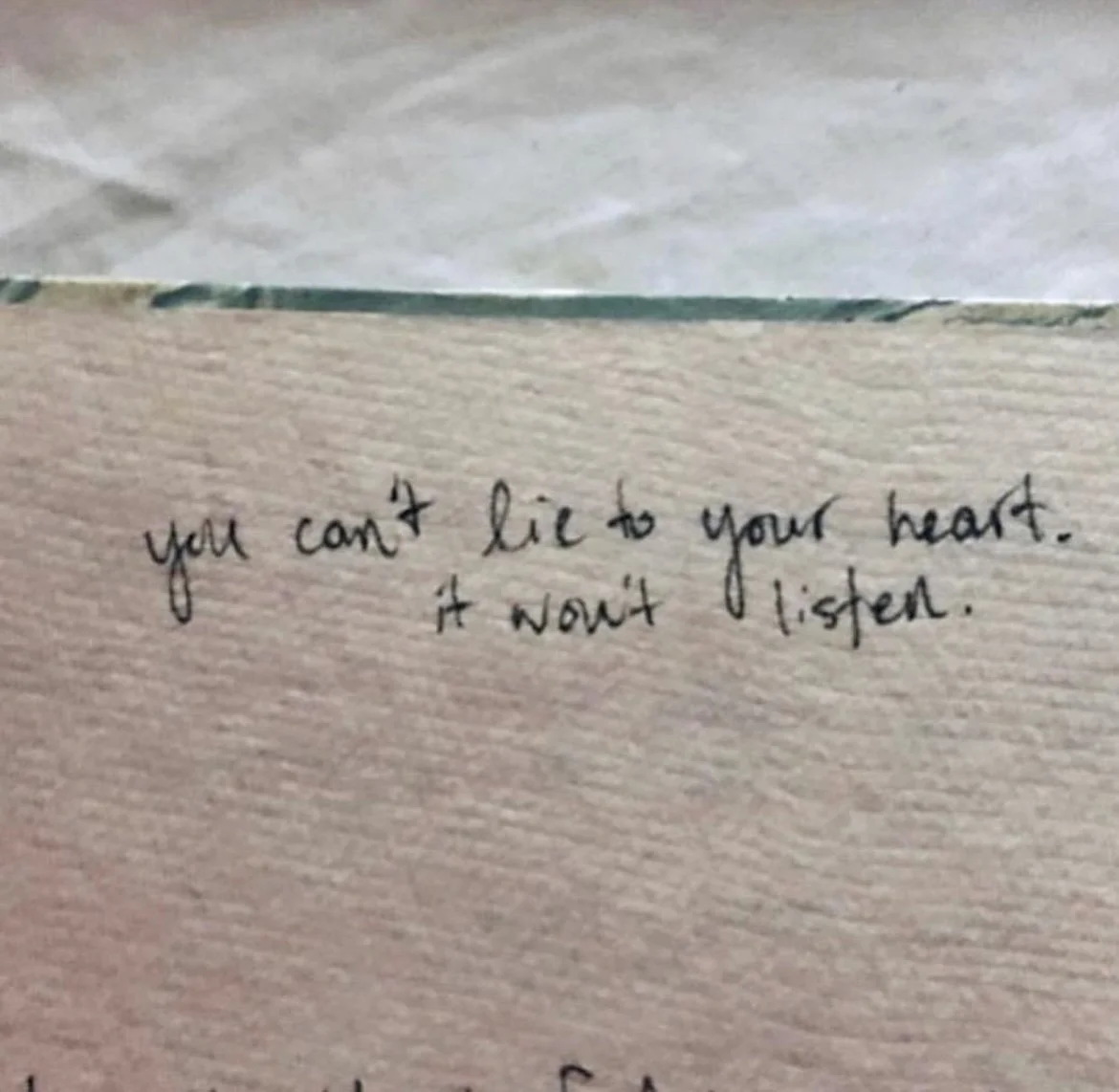
Why the heart feels everything
We often speak of heartbreak as metaphorical, but anyone who has lived through grief, loss, rejection, or deep disappointment knows how profoundly physical it can be.
A tight chest.
Shallow breath.
Fatigue.
An ache that lingers.
There is now clear evidence that intense emotional stress can directly affect the heart, sometimes temporarily weakening the heart muscle itself. Emotional pain doesn’t live only in the mind — it lives in the body.
And yet, so does love.
Safety, joy, belonging, affection — these states calm the nervous system, regulate heart rhythm, and support circulation and immunity. The heart responds to our inner world just as much as our outer one.
This link between love and the heart isn’t poetic coincidence. Across history — through medicine, literature, poetry, and lived experience — heartbreak has been documented as something that can profoundly affect health. Long before modern science, people understood this intuitively.
They knew grief could weaken the body.
They knew joy could restore vitality.
The heart was never just a symbol. It was always central
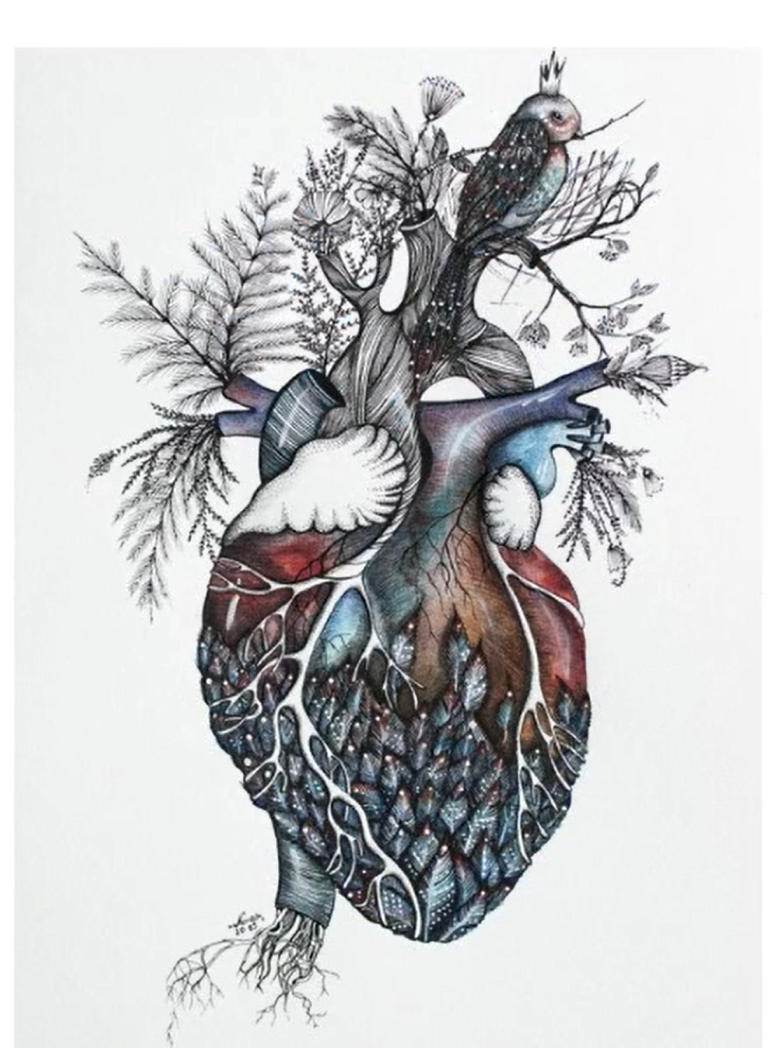
When love is finally named correctly
We’re often told that love is confusing, painful, destabilising — that if it hurts, it must be love doing its work.
But I no longer believe that.
Love itself is not harmful.
Love is kind.
Love is honest.
Love is steady.
Love is true.
What hurts us is not love, but fear, dishonesty, insecurity, control, avoidance, ego, and poor behaviour that get mislabelled as love. Over time, we’re encouraged to excuse this — to say our “picker is broken”, that we’re unconsciously drawn to harm, that something in us must be defective.
This idea didn’t appear out of nowhere.
Much of modern psychological and psychotherapy culture and practice is rooted in early Freudian theory, which framed humans as fundamentally broken, driven by unconscious dysfunction and childhood wounds. While this helped name trauma, it also planted a belief that we are doomed to repeat damage unless endlessly analysed — that love must be hard, that pain is inevitable, and that poor behaviour can always be explained away.
Understanding context can create compassion — but it should never erase accountability.
Having a past does not give anyone permission to treat you poorly in the present.
And a so-called “bad picker” is often just someone who stayed too long, took someone at face value, hoping love would eventually be returned in the way it was given.
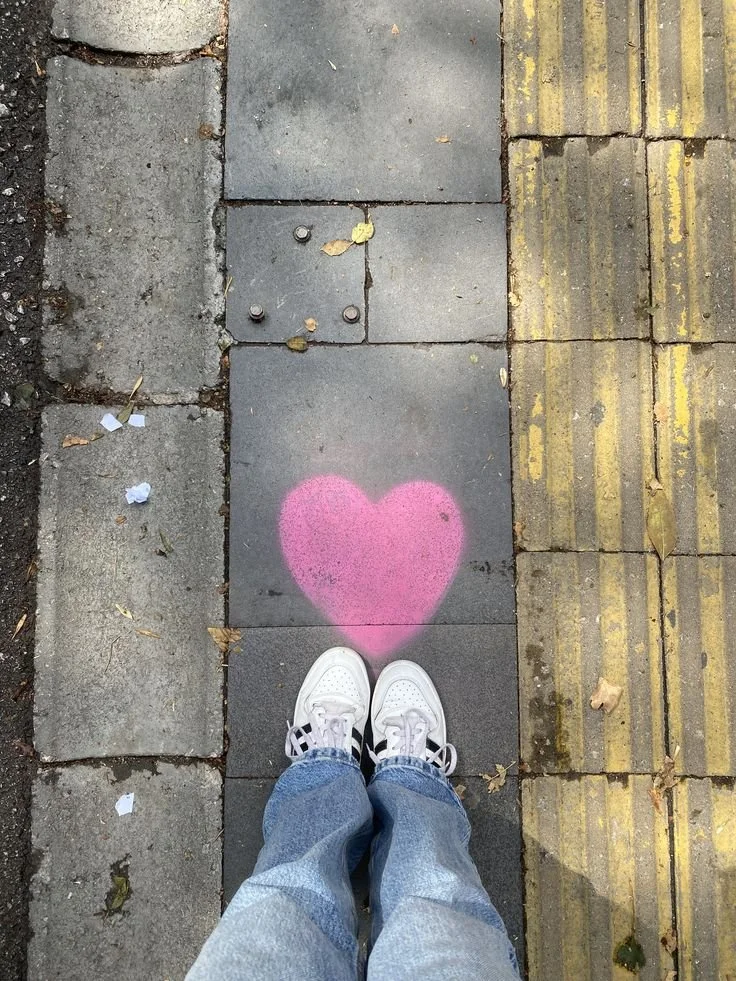
Love, connection, and the myth of self-sufficiency
Another modern idea we’re often handed is that self-love alone is enough — that if we just work on ourselves sufficiently, we won’t need anyone else.
But this too can quietly mislead.
We were not created to be isolated, self-sustaining units. Human beings are relational by design — neurologically, emotionally, physically. The heart itself responds to connection. The nervous system regulates through safe relationships. Being seen, known, and valued is not weakness. It is biology.
Wanting connection does not make us needy.
Longing for love does not mean we are unhealed.
Desiring companionship does not mean we lack self-worth.
True self-respect doesn’t mean withdrawing from relationship — it means choosing relationships that honour who we are.
What real love feels like
So how do we recognise love — not in theory, but in real life?
Not by intensity alone.
Not by longing.
Not by how much we’re willing to endure.
Real love tends to feel:
grounding rather than destabilising
clear rather than chaotic
safe rather than performative
mutual rather than one-sided
seen rather than overlooked
protected rather than exposed
To be seen in love means being recognised as you are — not tolerated, not managed, not hidden, not quietly side-lined. It means your presence matters, not just what you provide.
And real love protects.
Not through control, but through care. Through pride. Through consideration. Through someone who is glad to stand beside you — not just privately, but publicly too. Someone who doesn’t celebrate others while minimising you. Someone who cherishes you without conditions.
Your person doesn’t need convincing of your worth.
Often, we only understand what love is when we finally experience it done well. And only then does something quietly fall into place — not with blame, but with clarity. We see that what came before was visible all along, even if we were living in survival mode, loving harder, trying longer, hoping something would change.
That realisation can be sobering — but it’s also freeing.
It’s also worth remembering that love is a verb. It isn’t proven in intensity of feeling, chemistry, or emotional highs — but in action. In how someone behaves when it would be easier not to. In consistency, care, protection, and choice. Real love is revealed over time, not declared in moments.
One of the quiet markers of genuine love is this: when someone knows your weaknesses and does not use them against you. They don’t weaponise your vulnerability, revisit old wounds, or turn your openness into leverage. Instead, they hold what you’ve shared with respect. Love doesn’t require perfection, but it does require safety.
Plants, the heart, and tending what is tender
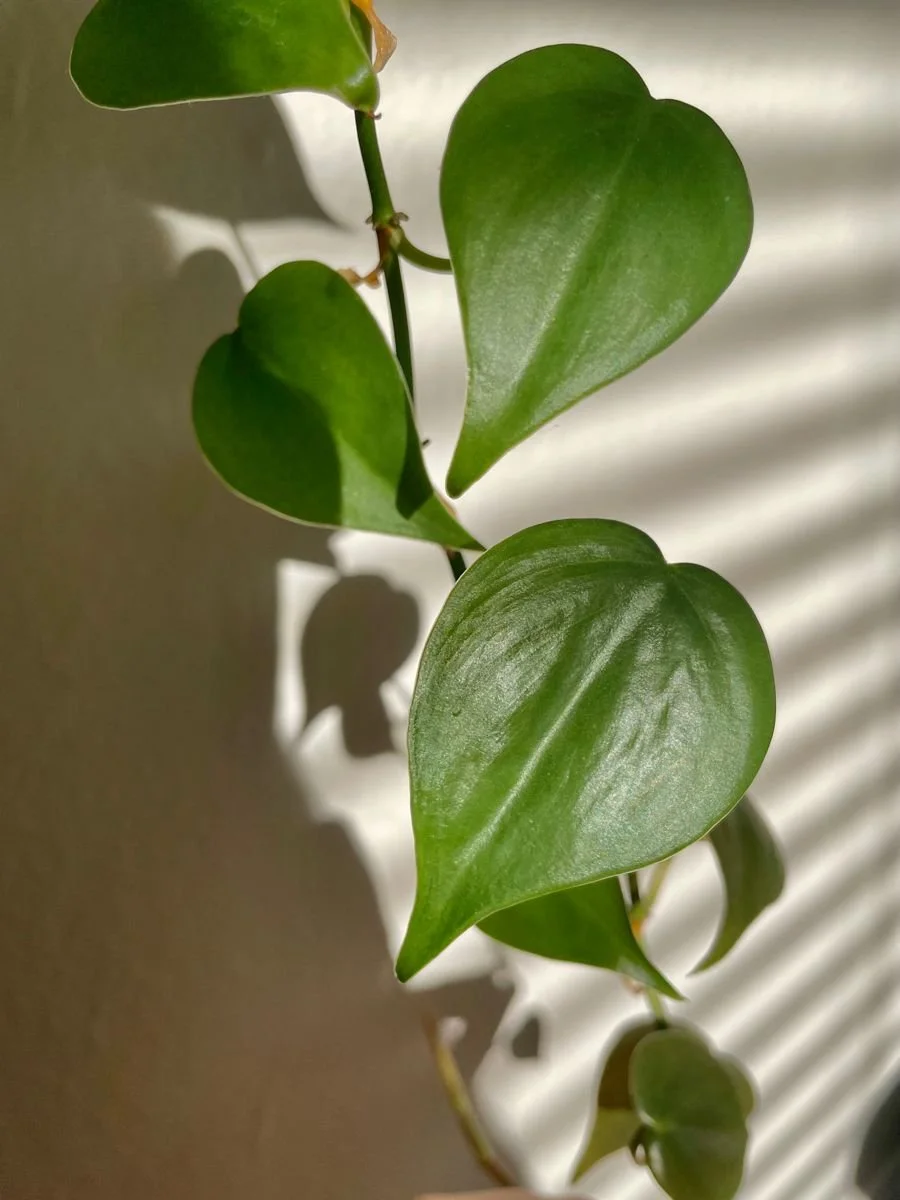
Philodendron
In herbal medicine, the heart is never treated in isolation. It’s understood alongside circulation, the nervous system, digestion, sleep, emotional resilience, and grief.
Some plants gently support rhythm and tone. Others calm and regulate. Others help the body recover from prolonged stress. None force. None override. They work with the body, not against it.
What I’m learning through my studies is not about fixing or numbing. It’s about relationship — with plants, with the body, with time.
My own heart journey — which I’ve touched on in previous journals — has involved learning how to remain open without losing myself. How to soften without self-erasure. How to let go without becoming closed.
Healing, I’ve learned, is not about becoming untouchable.
It’s about becoming true.
Guarding the heart — without hardening it
There is an ancient proverb that says:
“Above all else, guard your heart, for everything flows from it.”
This is not a call to shut down or build walls. It’s an invitation to stewardship.
What we allow to shape us.
What we repeatedly return to.
What we believe about ourselves because of what others did — or didn’t — give.
The heart is not only emotional; it is directional. It influences how we move forward, how we trust again, how we live.
And it does not work alone.
The heart, the gut, the nervous system — they are in constant conversation. We do not have bodies. We are bodies. Integrated, responsive, intelligent.
An invitation for February
February doesn’t ask us to perform love. It asks us to reflect on it.
What has your heart learned?
What is it still holding?
What might it be ready to release?
How can you love without abandoning yourself?
This isn’t about perfection. None of us get this right all the time. We are not superhuman.
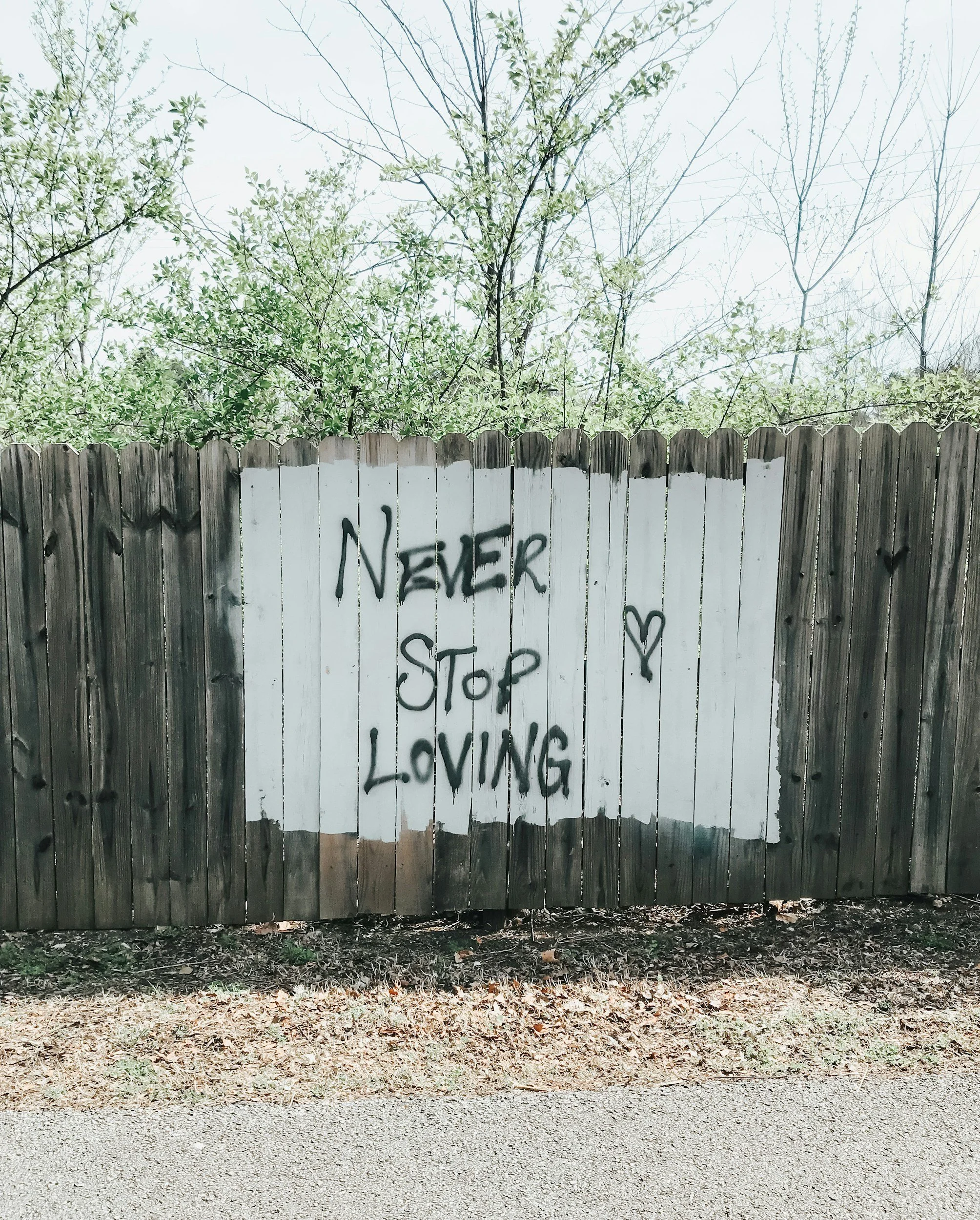
But we can choose — again and again — not to let pain rob us of something that is, at its core, good.
A word of thanks
I want to acknowledge — quietly and sincerely — the inspiration that comes from the Wild Circle community. From shared stories of romantic love, friendship, grief, healing, and heart health. From lived experience spoken with honesty and courage.
These conversations matter. They shape how we understand ourselves — and each other.
A final word on recognition
There’s a quote that’s stayed with me recently:
“It’s okay if you don’t clap for me — I’ve seen the teams that you cheer for.”
Not as bitterness. Not as judgement. But as awakening.
Sometimes the absence of applause or acknowledgment isn’t rejection — it’s information. It shows us who has the capacity to recognise truth, integrity, growth, and love — and who simply cannot meet us there.
Not every silence is loss.
Some are redirection.
The heart learns this slowly. And when it does, it doesn’t harden — it clarifies.
Closing
The heart is spiral-shaped. Electrical. Responsive. Resilient.
It holds memory, rhythm, and truth.
Perhaps the work is not to protect it from ever hurting — but to tend it well enough that it can keep loving honestly, wisely, and well.
With courage, and an open heart,
Bee 🫶🏼
Our Workshops, Wild Circle, Shop