

Book Review: The Artist’s Way by Julia Cameron
Book Review: The Artist’s Way by Julia Cameron – Finding Creative Freedom Through God’s Gifts
As the founder of The Wild Remedy, I often reflect on how we connect with nature, creativity, and our sense of purpose. Our journey is personal, deeply rooted in the belief that we are all created with unique gifts that align with a higher calling. Julia Cameron’s The Artist’s Way has been one such resource that speaks directly to this. It’s not just a book; it’s a guide for anyone seeking to reclaim their creativity, and for me, it’s deeply aligned with the ethos of The Wild Remedy and my spiritual journey.
At The Wild Remedy, we believe in the healing power of nature and the importance of honouring the inner self. Our products, workshops, and The Wild Circle are all rooted in this idea. Just as we offer eco-friendly, natural products that help you nurture your body, The Artist’s Way offers tools to help you nurture your creative spirit, which is equally vital. Whether it's crafting with nature-based materials in our workshops or creating products like our magnesium butter to calm the mind and body, we understand the importance of holistic well-being.
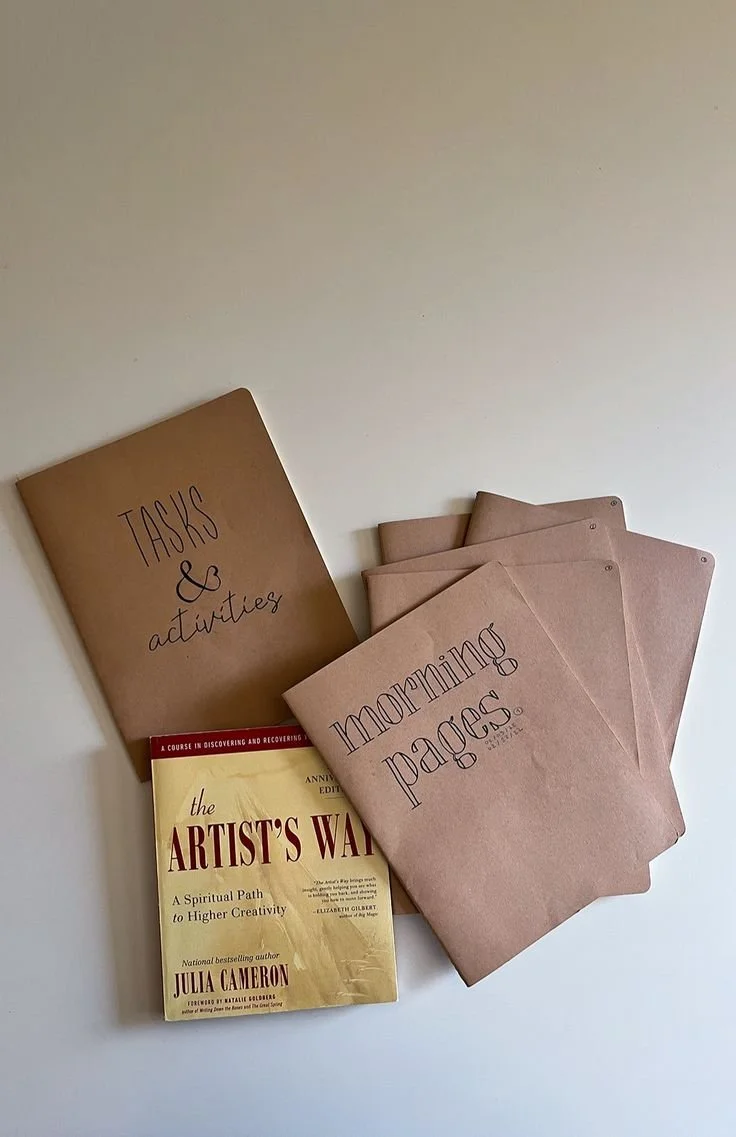
One of the key practices in The Artist’s Way is the idea of "morning pages" – a form of daily writing where you pour out your thoughts, unfiltered. I’ve found this approach powerful not just for creativity but for personal reflection. It’s a bit like journaling with intention, similar to the affirmations and daily prompts we are developing for The Wild Remedy’s mindfulness journal. In many ways, both practices are rooted in the same belief: that taking time to reflect and connect with our inner self is essential for spiritual and creative growth.

In my own journey, I’ve seen the power of creativity in reconnecting with the divine. For me, this is rooted in my belief in God, not in a traditional religious sense, but in the understanding that we are all created with unique potential. This concept resonates throughout The Artist’s Way, which encourages us to see creativity as a spiritual path. While the book incorporates spiritual language, it doesn’t adhere to any specific religion, and this is something I appreciate. It allows for a personal interpretation—whether you believe in God, nature, or the universe—as a higher creative force.
What I love about The Artist’s Way is its alignment with philosophical and spiritual ideas that have existed for centuries. For example, in the Book of Proverbs, we see the wisdom of seeking clarity and guidance in our lives, such as “Plans fail for lack of counsel, but with many advisers they succeed” (Proverbs 15:22). Cameron's teachings remind me of this. Her practices, like the “artist dates” (a time set aside for solo exploration), encourage us to step away from the noise and listen to our inner guidance. This is an important part of connecting with God, nature, or whatever higher force guides us. Creativity often requires a pause—a moment of stillness—something the Book of Proverbs also speaks to. Proverbs is full of timeless wisdom that is ahead of its time, offering advice that could easily be applied to today's creative journey.
Cameron also speaks about the importance of recognising our self-worth, which echoes the sentiments of many philosophers and creators, from Aristotle to modern thinkers like Brené Brown. At The Wild Remedy, we too promote self-compassion and self-care as essential aspects of well-being. Whether you’re making a candle, crafting a pressed flower, or just taking time to rest, it’s about recognising the value in the small acts that make up our daily life.
As we develop products at The Wild Remedy, such as our nature craft workshops, herbal sprays, or body butters, they are not just about what we create but about nurturing the person we are becoming. In the same way, Cameron’s approach in The Artist’s Way can be used by anyone looking to reconnect with their creativity and inner wisdom. Whether you’re an artist, a teacher, a parent, or simply someone looking to rediscover your creative spark, this book offers tools to help you find your way.
Practical tips that I find helpful from The Artist’s Way include:
Morning Pages: Write three pages every morning to clear your mind and open up space for creative thoughts.
Artist Dates: Set aside time each week for solo exploration—visit a museum, take a walk in nature, or immerse yourself in something that sparks joy.
Affirmations: Use affirmations to remind yourself of your creative potential. For example, “I am a creative being, and my creativity is a gift from God.”
If you’re on a path to find your way, whether in creativity or in life, take time to reflect, just as we encourage in our workshops and therapeutic gardening and through our products. Remember, creativity is a form of self-care, just as nourishing your body with natural ingredients and time in nature is. The journey is not about perfection but about embracing who we are, just as we are—gifts from the Creator.
In conclusion, The Artist’s Way is a book that doesn’t just speak to artists but to anyone seeking to reconnect with their creative spirit. It’s a guide to finding your way, whether through writing, nature, or self-compassion. As we move forward in our work at The Wild Remedy, this book is a reminder that creativity is not just an artistic endeavour but a spiritual practice that we are all capable of nurturing.